On this page
A reinspection is a focused follow-up
A reinspection after repairs is a return visit to evaluate specified items from an earlier inspection after corrective work is reported complete. It matters because an invoice or statement that work was done does not show what is observable at the property now.
The assignment is usually narrower than a new whole-home inspection. The client and inspector should identify the original findings and agreed repair items before the visit. The North Carolina Home Inspector Licensure Board describes reinspection as a way to verify that requested repairs were actually performed.
What a reinspection includes
The exact scope comes from the inspection agreement, the repair list, and the inspector’s qualifications. A typical visit may include:
- comparing each specified item with the original report and repair documents;
- visually examining accessible repair areas and related visible components;
- operating normal controls when the system is installed, available, and safe to operate;
- noting items that appear complete, remain defective, or could not be evaluated; and
- providing written findings, photographs, or an addendum, as agreed.
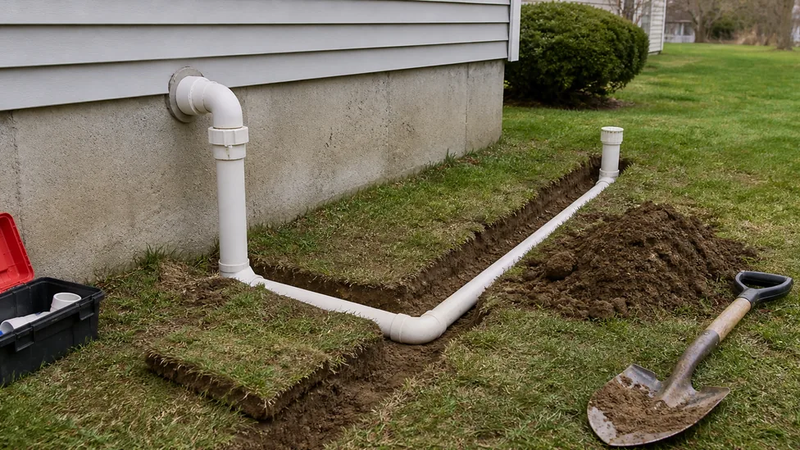
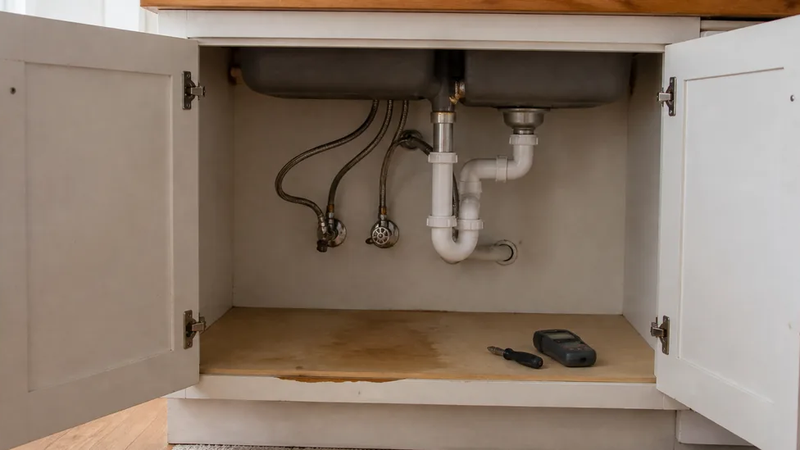
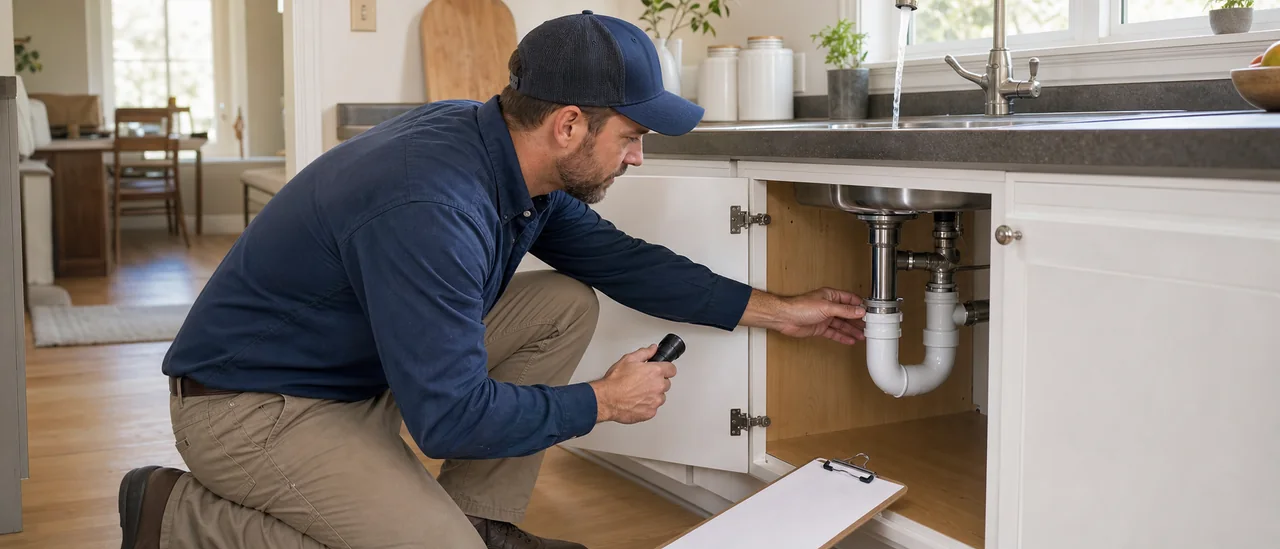
For example, an accessible plumbing repair may be observed while a fixture runs. The inspector can report visible leakage or abnormal operation at that time. A pool, spa, septic system, concealed pipe, or technically complex repair may fall outside a general inspection’s scope and require the appropriate specialist.
Documents help, but they answer a different question
Provide the original report, the final repair agreement, invoices, permits, warranties, and contractor notes. These records can identify who performed the work and what was promised; the site visit documents observable conditions.
What the inspector cannot confirm visually
Professional standards frame a home inspection as an examination of readily accessible, visually observable systems and components. They also state that the inspection is not technically exhaustive and need not identify concealed or latent defects.
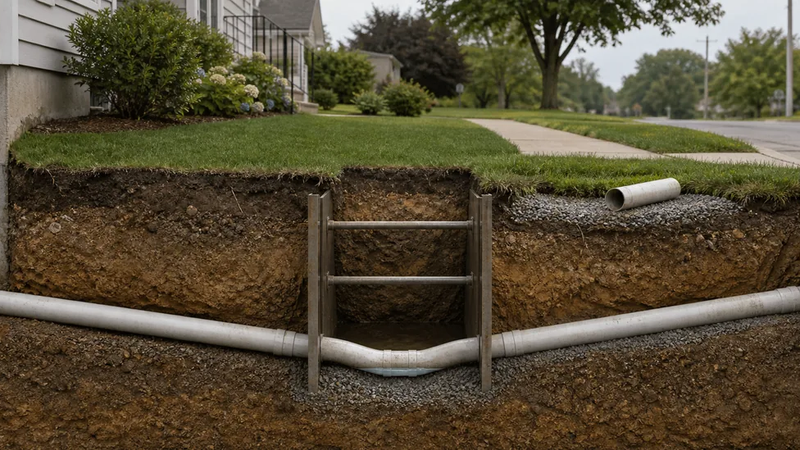
Accordingly, a reinspection usually cannot confirm work hidden behind walls, under finishes, underground, or inside sealed equipment. It also does not automatically establish code compliance, validate a contractor’s methods, guarantee future performance, or provide a warranty. A passed permit inspection, when required, is separate documentation from a private repair reinspection.
Conditions can also change between visits. Furniture, stored belongings, shut-down equipment, missing utilities, unsafe access, or newly installed finishes may prevent observation. The report should identify any item that was not checked and why.
Practical bottom line
Before scheduling, obtain a numbered repair list and ask what the reinspection report will cover. Arrange access, turn on required utilities, and make the repair records available.
Use the resulting report as a condition-at-the-time record, not a blanket approval of the property. When the original finding called for a plumber, electrician, engineer, pool professional, or other specialist, that qualified professional may be better suited to verify technical work beyond a home inspector’s visual scope.