On this page
Deferred maintenance means upkeep was postponed
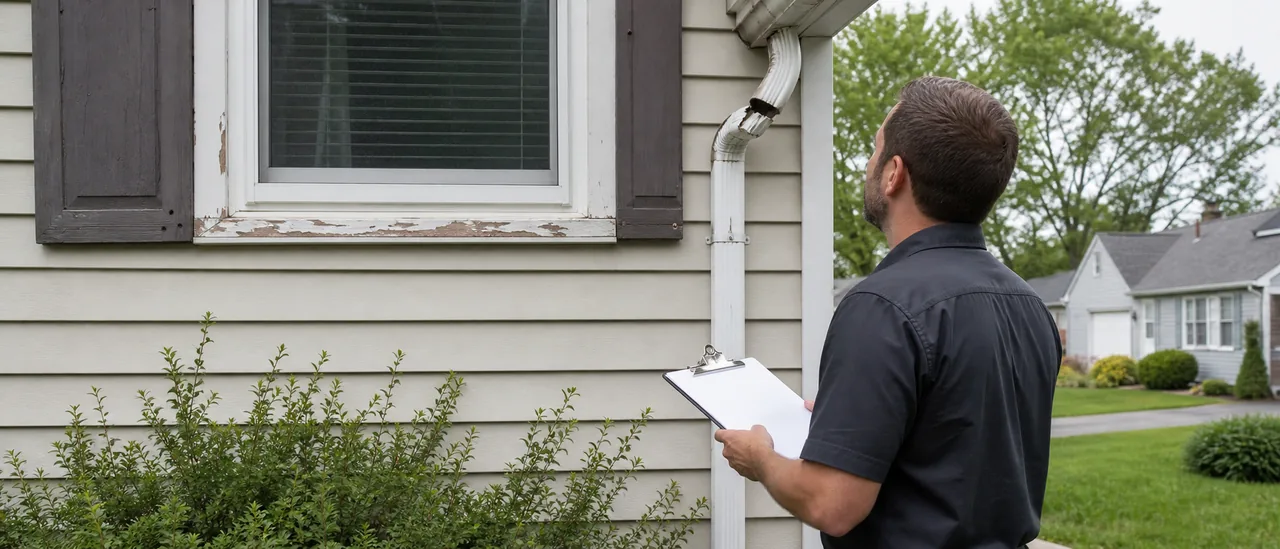
In a home inspection, deferred maintenance means routine upkeep or needed repairs were delayed long enough to leave an observable condition. Examples may include peeling exterior paint, clogged gutters, failed sealant, loose hardware, or neglected equipment servicing.
The term describes a maintenance history suggested by present conditions. It does not, by itself, establish the cause, repair cost, code status, or seriousness of every item.
Why inspectors report it
Delayed upkeep can be important even when each item looks minor. A worn coating may expose wood to moisture. Debris-filled drainage can direct water where it should not go. Several small items can also show that parts of the home need closer budgeting and prioritization.
An inspection report should connect the label to specific observations. “Deferred maintenance” alone is less useful than a location, condition, implication, and recommended next step.
Condition, not blame
An inspector can report visible evidence consistent with delayed upkeep. A visual inspection generally cannot prove who postponed the work, when that happened, or whether a concealed defect exists.
What a standard inspection can confirm
Under InterNACHI’s Standards of Practice, a home inspection is a non-invasive visual examination of accessible areas. Its findings are based on observations made on the inspection date, not predictions of future conditions.
That scope can confirm observations such as deteriorated caulk, corrosion, damaged finishes, vegetation against the building, or an inoperative component. The report may also identify systems that are significantly deficient, unsafe, or near the end of their service lives.
However, an ordinary home inspection is not technically exhaustive. It does not require destructive investigation or identification of concealed conditions and latent defects. Furniture, stored belongings, finishes, soil, snow, and inaccessible spaces can therefore limit what is visible.
How to read the finding
Treat each item according to its actual condition, not the broad label. Consider:
- Location and extent: One isolated paint chip differs from widespread coating failure.
- Present effect: Look for reported deterioration, impaired operation, or moisture evidence.
- Access limits: Note what the inspector could not see or operate and why.
- Recommended action: Routine upkeep may be appropriate for a minor visible condition; a qualified specialist may be needed when the cause, safety, or repair scope is uncertain.
Practical bottom line
Deferred maintenance is a report category, not a diagnosis of hidden damage. Use it to identify postponed tasks, understand visible consequences, and separate straightforward upkeep from conditions needing further evaluation. The observations and limitations in the report matter more than the phrase alone.