On this page
Focus on significant, documented problems
A reasonable post-inspection request addresses a documented condition that materially affects safety, basic function, structural integrity, water control, or a major system. The buyer might ask the seller to repair it, provide a credit, reduce the price, or allow the buyer to cancel when the contract permits.
Reasonable does not mean the seller must agree. The purchase contract, local practice, property condition, price, and market conditions all affect the negotiation. The Consumer Financial Protection Bureau notes that responsibility for repairs is negotiable and that a seller may decline, depending on the contract and market.
Prioritize the findings that change the decision
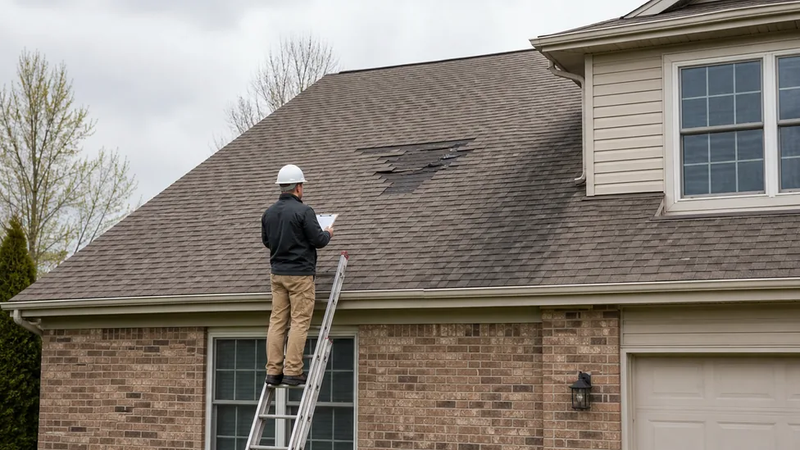
Start with issues that could be unsafe, allow ongoing damage, prevent an essential system from working, or require substantial near-term work. Examples may include an active leak, unsafe electrical condition, significant structural movement, failed heating equipment, or a damaged sewer line—provided the inspection or a follow-up evaluation supports the concern.
A concise request is usually easier to evaluate than a demand to correct every observation. Group the report findings into three practical levels:
- High priority: safety concerns, active water entry, structural problems, or nonfunctioning major systems.
- Decision-dependent: aging or damaged components whose cost and remaining usefulness matter to the agreed price.
- Usually low priority: cosmetic wear, minor maintenance, inexpensive adjustments, or upgrades to personal preferences.
Age alone does not prove failure. Likewise, asking to replace a working component solely because a newer design exists is generally an upgrade request, not a repair request.
Stay within what the inspection established
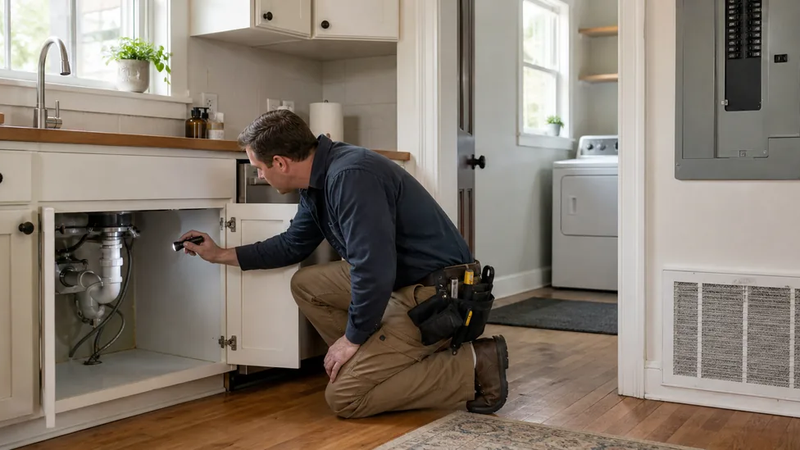
The American Society of Home Inspectors’ standard covers readily accessible, visually observable, installed systems and components. It does not require an inspector to determine concealed conditions, causes, correction methods, repair costs, future failures, or code compliance.
That limitation matters when wording the request. State what was observed instead of claiming an unconfirmed cause: “active staining and elevated moisture were found below the bathroom” is more defensible than “the shower pan has failed” unless further testing established that diagnosis.
When a potentially significant finding remains uncertain, requesting evaluation by the appropriate qualified specialist can be more reasonable than demanding a specific repair. Any resulting request should be tied to that evaluation, not speculation.
Make the request specific and contract-aware
Identify the report item, the requested outcome, who must perform any repair, and what documentation should be provided. For safety-critical or specialized work, the contract may allow language requiring a licensed or otherwise qualified professional and receipts or permits where applicable.
Do not assume an inspection contingency creates the same rights everywhere. Read its deadlines, notice rules, and available remedies before sending a request. The practical bottom line: prioritize consequential, supported findings; leave routine upkeep and preferences out; and make each requested remedy clear enough for the seller to accept, reject, or counter.