On this page
The red flags that matter most
The strongest septic inspection red flags are sewage backups, slow or gurgling drains, surfacing wastewater, unexplained wet soil, and strong odors near the tank or drainfield. Also take seriously damaged tank components, abnormal liquid levels, outlet staining, corrosion, uneven distribution, failed pumps or alarms, and missing maintenance records.
One symptom does not always prove the system has failed. Odor, for example, can come from a blocked plumbing vent or local wind conditions. A red flag means the finding needs explanation in the context of weather, recent water use, system design, and inspection method.
What the inspection should examine
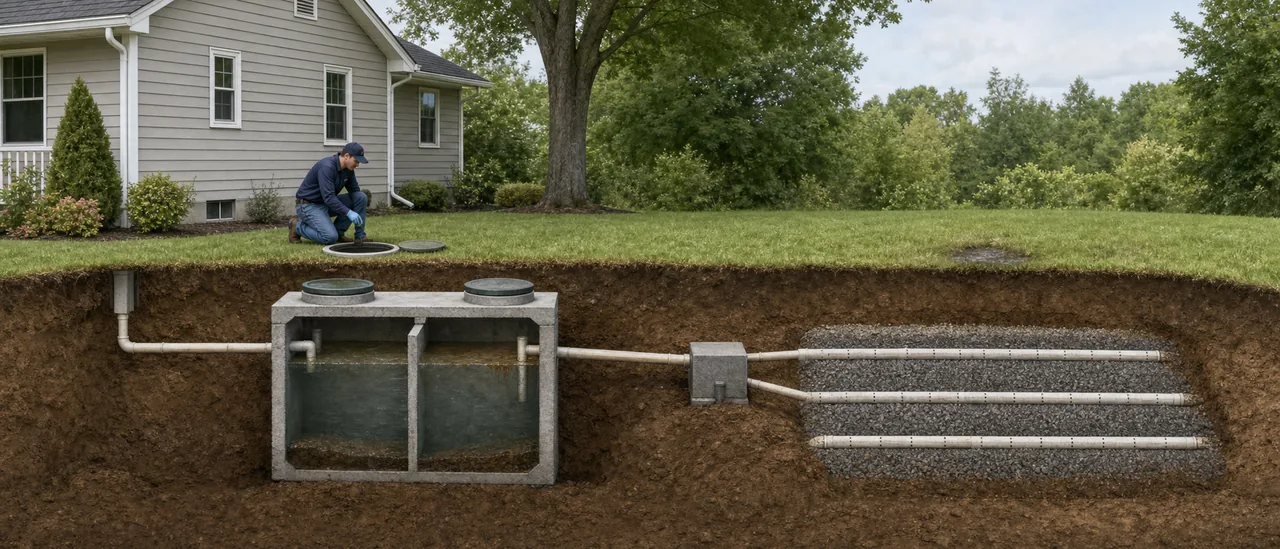
A septic inspection is more than a walk across the yard. The U.S. Environmental Protection Agency describes a typical inspection as reviewing permits and service records, opening tanks, checking sludge and scum, and evaluating the tank, pipes, electrical parts, distribution box, and drainfield.
Look for findings in four groups:
- House plumbing: backups, slow drainage, gurgling, or evidence that fixtures do not discharge normally.
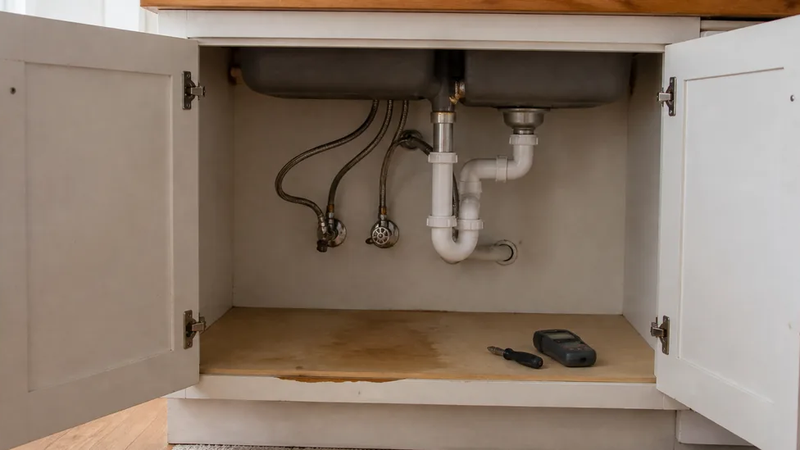
- Tank and piping: leakage, unexpectedly low liquid, staining above the outlet, corrosion, cracks, damaged baffles, or an effluent filter needing service.
- Pumps and distribution: damaged wiring or controls, pump or alarm problems, a deteriorated distribution box, or unequal flow to drain lines.
- Drainfield: standing water, sewage surfacing, persistently soft ground, or unusually lush growth during dry weather.
Records matter too. An unknown tank location, no permit or design, and gaps in pumping or repair history do not establish failure. They do increase uncertainty about age, layout, maintenance, and whether the observed components match the approved system.
A standard home inspection may not include the septic system
Confirm the written scope before relying on the report. The ASHI home-inspection standard excludes septic and other sewage-disposal systems from its required plumbing inspection, although an inspector may offer added services.
What a visual check cannot confirm
Dry ground and freely draining fixtures are reassuring, but they do not prove every buried component is intact or that the drainfield will perform under sustained use. Concealed cracks, partial pipe obstructions, saturated soil below grade, and water-quality effects may require tank access, measurements, cameras, excavation, records, or sampling beyond a visual check.
Methods also vary by system and jurisdiction. Conventional gravity systems differ from pump, mound, drip, and advanced-treatment systems. Local rules may define required access, testing, credentials, or real-estate transfer inspections, so the report should state what was inspected, what was inaccessible, and which tests were performed.
Practical bottom line
Treat active sewage backup or surfacing wastewater as an urgent finding and avoid contact with it. For other red flags, compare the observation with the inspection scope and records. If the cause or condition remains uncertain, a qualified septic professional or locally authorized inspector can evaluate the specific system rather than guessing from surface conditions alone.