On this page
What the agreement should cover
A roof inspection agreement is the written contract defining what the inspector will examine, how the work will be performed, what the client receives, and what the service costs. It matters because “roof inspection” can describe anything from a ground-level visual review to access from the roof surface and attic.
Before signing, confirm that the agreement identifies:
- the client, inspector, property, inspection date, exact fee, and payment terms;
- the inspection standard or procedure being followed;
- included components, such as coverings, flashings, drainage, penetrations, and accessible roof structure;
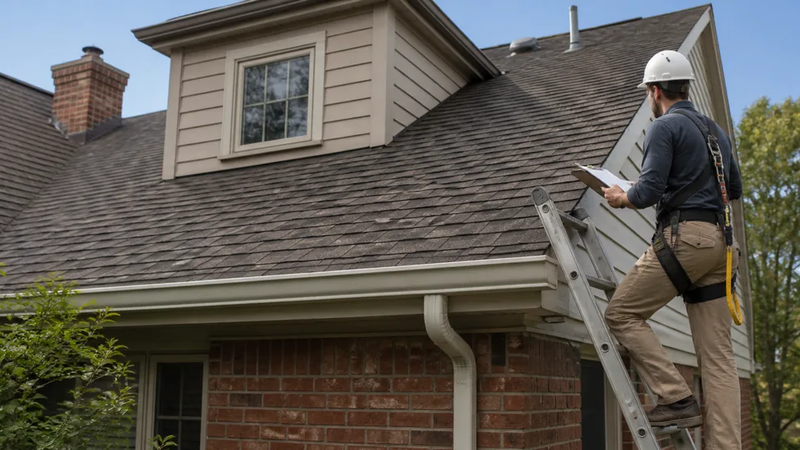
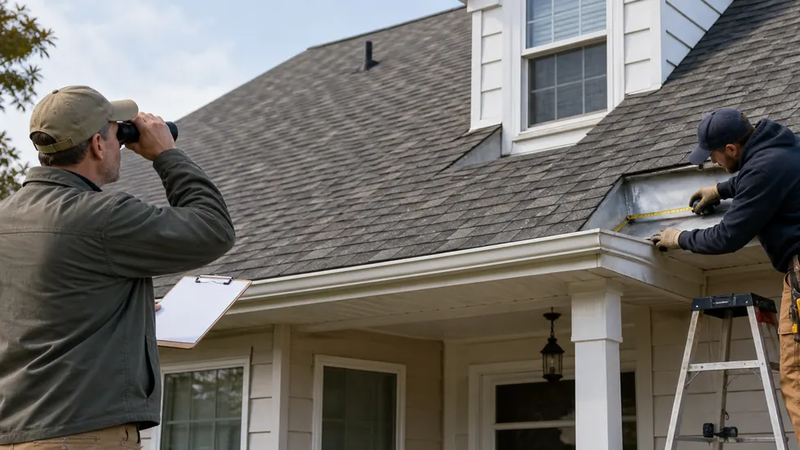
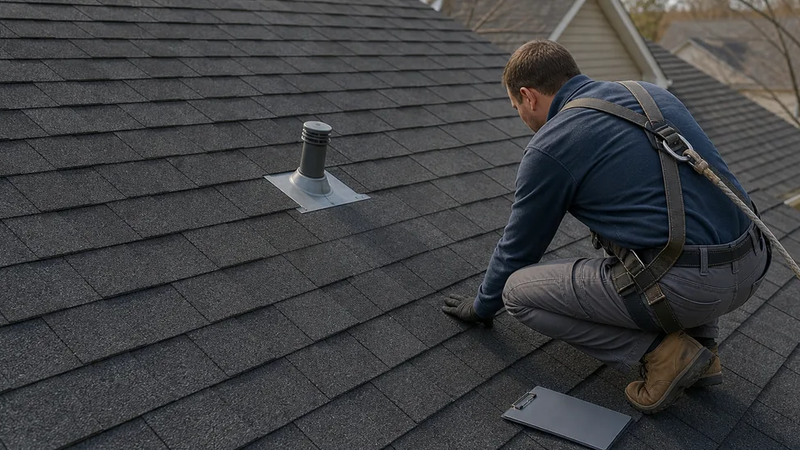
- the planned viewing methods—roof walking, ladder-edge observation, ground observation, attic access, camera pole, or drone;
- exclusions and conditions that may prevent access;
- the report format, delivery date, and whether photographs are included;
- permission for any invasive testing, plus responsibility for damage caused during authorized inspection work; and
- cancellation, complaint, dispute, and liability terms.
New Mexico’s licensing rules, for example, require the inspection date and time, inspector identity, fee and payment terms, governing standard, and scope of work. Exact legal requirements vary, so the agreement should match the rules where the property is located.
Scope and limitations need specifics
The agreement should separate visual observation from destructive testing, engineering, code-compliance review, leak guarantees, and predictions of remaining service life. If moisture scanning, test cuts, fastener removal, or laboratory testing is offered, it should appear as a separately authorized scope.
Visual access has real limits. Maryland’s inspection standard covers accessible roof coverings, drainage components, flashings, skylights, chimneys, and penetrations. It also allows an inspector not to walk a roof when doing so would be unsafe or could damage the material. Therefore, the agreement should state the intended access method and explain that weather, height, slope, fragile materials, snow, debris, or locked areas may change it.
An agreement is not the inspection report
The agreement defines the assignment before work starts. The report documents the conditions observed, areas not inspected, inspection methods actually used, and any recommended follow-up.
Read damage and liability clauses carefully
A damage clause should distinguish noninvasive observation from client-approved invasive work. It should explain who authorizes testing, how accidental damage is reported, and whether restoration is included.
Liability clauses also require careful reading. They may address claim notice, dispute procedures, deadlines, or damages, but enforceability depends on local law. Virginia’s rules require home-inspection contracts to state terms, limitations, exclusions, cost, inspected areas, report timing, and signatures. Treat any waiver that appears to erase responsibility for negligent work as a reason to seek local legal guidance before signing.
Practical bottom line
Do not rely on the price line alone. The strongest agreement makes the fee, inspection standard, roof-access method, exclusions, deliverable, and risk allocation easy to find. Ask for revisions when a promised task appears only in conversation, because the written scope is the clearest reference if expectations later differ.