On this page
Prepare the property, not the result
Before the buyer’s home inspection, a seller should provide safe access, keep agreed utilities operating, gather relevant property records, and address only problems that can be corrected properly. The goal is a complete look at the home as it is—not a flawless report.
Confirm the appointment arrangements through the transaction contacts. Decide who will provide access, whether the seller should leave, how pets will be secured, and which structures or systems are included. The purchase contract, inspection agreement, and local practice control these details.
Make visible and operable areas available
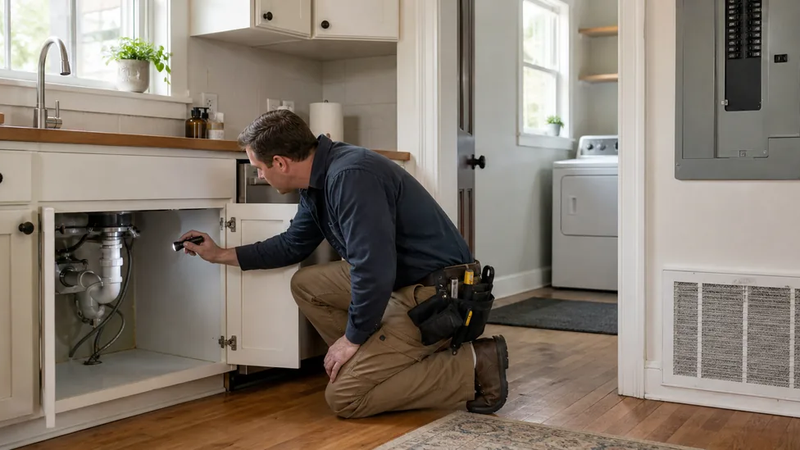
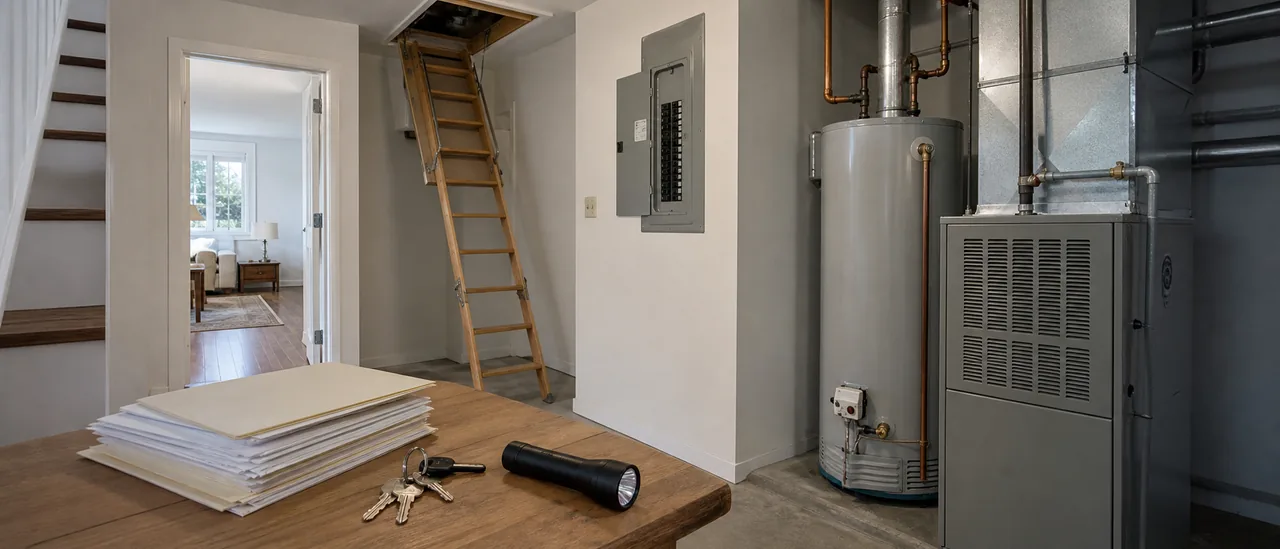
Remove belongings that block the electrical panel, furnace, air handler, water heater, attic hatch, crawl-space entrance, plumbing access, or other installed equipment. Unlock gates, detached areas included in the inspection, and interior access doors. Leave needed keys and ordinary controls where the authorized parties can find them.
Confirm utility expectations in advance. Texas’s standard inspection report, as one jurisdictional example, says its inspectors need not turn on decommissioned equipment, systems, or utilities, or move furnishings and stored items. If gas or equipment has been shut down, do not relight or restart it solely for the inspection unless the appropriate utility or qualified technician says it is safe.
Use this pre-appointment check:
- Clear safe walking paths to accessible equipment and inspection openings.
- Unlock agreed areas and provide necessary keys, remotes, or access instructions.
- Verify normal water, electrical, gas, and HVAC service arrangements.
- Secure pets and disclose any access, alarm, or safety restrictions.
- Empty sinks and appliances that may be operated using ordinary controls.
Do not remove permanent finishes, dismantle equipment, or create unsafe access. Ask the inspector beforehand if storage, weather, construction, or a locked area may limit the visit.
Handle known conditions carefully
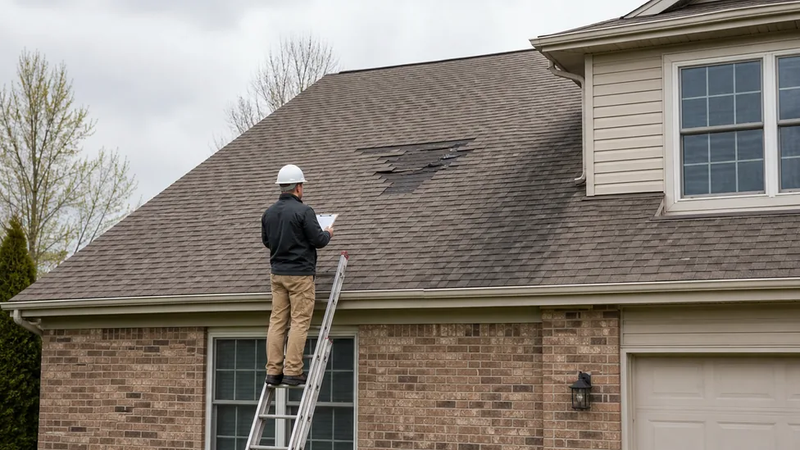
Complete minor maintenance only when the condition and correction are clear, such as replacing a failed bulb or restoring a loose doorknob. For leaks, electrical concerns, structural movement, combustion equipment, or other consequential defects, use the appropriate qualified specialist rather than a rushed do-it-yourself fix.
Do not paint over stains, hide damaged materials, or move objects specifically to conceal a known condition. A cosmetic change can remove visible evidence without correcting the cause and may complicate disclosures or negotiations.
Collect prior inspection reports, permits, paid invoices, transferable warranties, manuals, and specialist evaluations that relate to the property. Ask the real-estate or legal professional handling the transaction which records and disclosure forms must be delivered or updated; requirements vary by jurisdiction and contract.
Records do not expand the inspection
Give transaction records to the appropriate recipient rather than assuming the inspector will analyze them. Some inspection standards do not require review of repair plans, estimates, disclosures, or historical reports.
Know what preparation cannot prove
A buyer’s home inspection is generally a visual, condition-based examination, not a guarantee that every defect will be found. Texas’s regulator, for example, defines its licensed inspection as a limited visual survey and basic performance evaluation. Its standard excludes buried, hidden, latent, or concealed conditions and does not require determining a defect’s cause.
Clearing access can improve what is observable, but it cannot confirm conditions behind walls, beneath flooring, inside closed equipment, or underground. A standard inspection also may not include environmental testing, sewer scoping, engineering analysis, code compliance, or every detached or optional system. The buyer’s inspection agreement and applicable standard define the actual scope.
Before the appointment, have the applicable disclosure documents and purchase contract reviewed by the transaction’s real-estate or legal professional. Arrange a qualified system specialist’s evaluation for any known safety concern, active leak, structural symptom, shut-down utility, or other condition that a visual home inspection cannot resolve.