On this page
Start with qualifications and scope
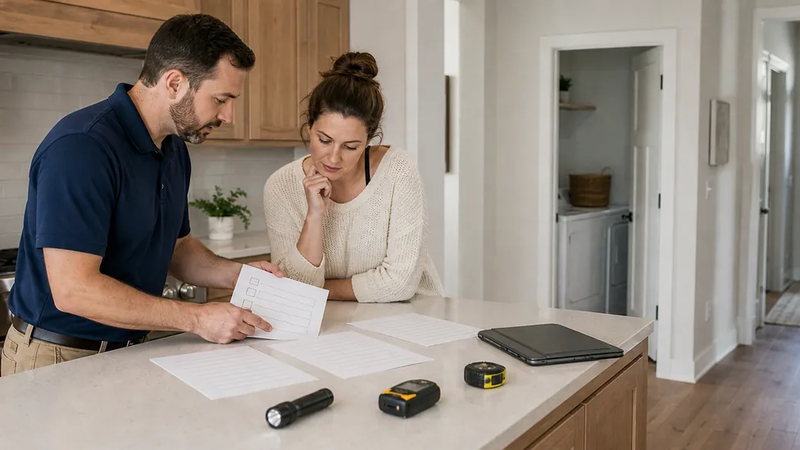
Before hiring a home inspector, ask what qualifies them, which standard they follow, what the inspection includes, and what it excludes. Then request a sample report and ask how they handle inaccessible areas, significant findings, and follow-up questions.
These answers matter because a standard home inspection is a visual examination of accessible systems and components—not a guarantee that every defect will be found. The inspection agreement should define the actual service you are buying.
Ask these questions before scheduling:
- Are you licensed where licensing is required, and how can I verify it? Also ask about relevant training and experience with the home’s age, construction type, and major systems.
- Which standard of practice governs the inspection? Request a link or copy, then compare it with the written agreement.
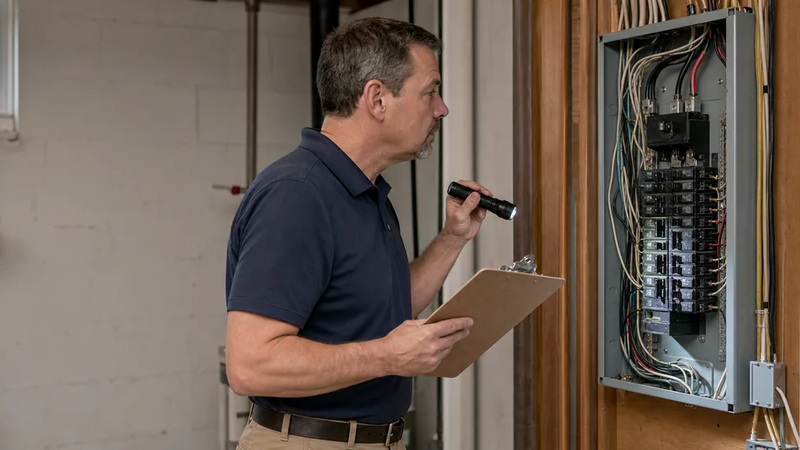
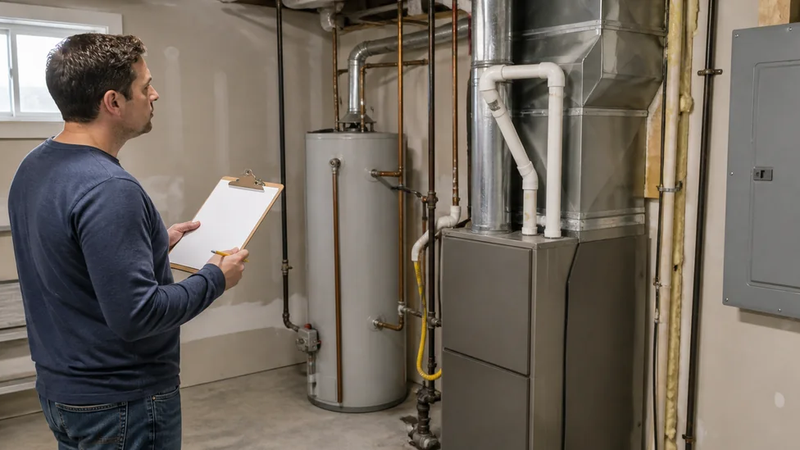
- Exactly what will you inspect—and not inspect? Clarify the roof-access method, crawl spaces, attic, detached structures, appliances, and any areas blocked by belongings or unsafe conditions.
- Are specialized tests separate? Ask specifically about radon, mold, pests, sewer lines, pools, wells, septic systems, and other concerns relevant to the property.
- May I see a sample report? Look for clear photos, locations, implications, recommendations, and an explanation of anything not inspected.
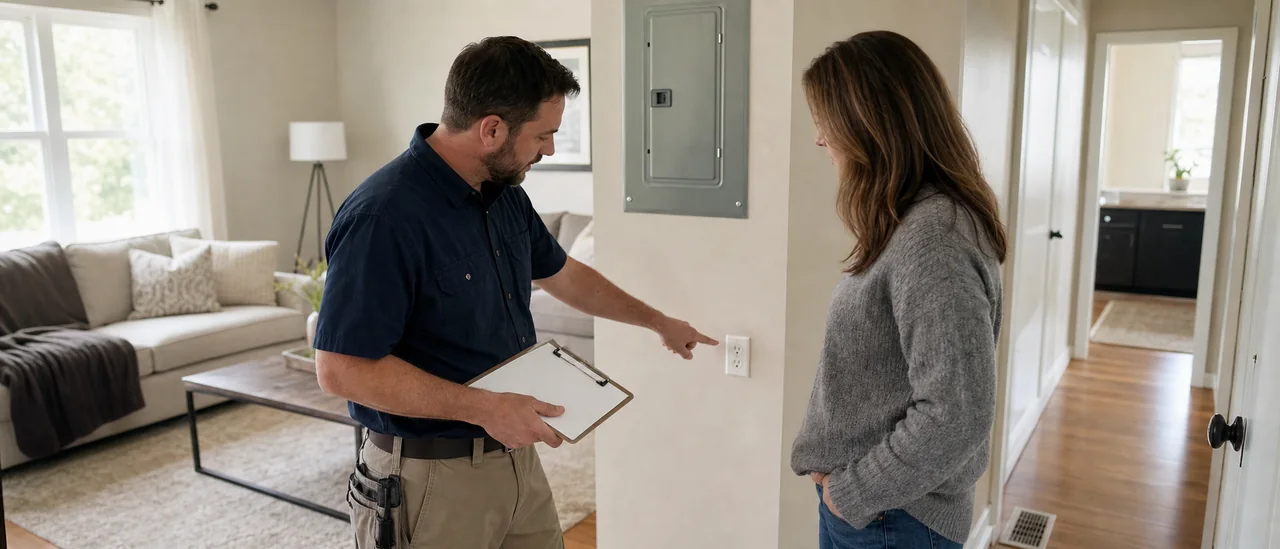
- Can I attend, and what happens afterward? Confirm report timing and whether the inspector will answer questions after you read it.
Understand what visual inspection can confirm
ASHI’s standard calls for inspection of readily accessible, visually observable systems and components. It also requires the report to identify designated items that were present but not inspected and explain why.
That means an inspector can report visible conditions and the operation of systems checked through normal controls. They generally cannot confirm concealed conditions inside walls, predict future failures, or determine the cause and repair cost of every deficiency. InterNACHI likewise defines a home inspection as non-invasive and visual, based on conditions observed that day.
Ask how limitations appear in the report
A limitation should be specific. “Roof observed from the ground because the surface was unsafe” is more useful than a vague disclaimer because it identifies what was not closely inspected and why.
Compare the answers, not just the fee
A careful inspector should explain scope and boundaries without promising a flawless house or a complete diagnosis of hidden conditions. Be cautious if the agreement is unavailable before the appointment, the sample report is unclear, or important exclusions receive vague answers.
The practical bottom line is simple: hire the inspector whose credentials can be checked and whose written scope matches the property. If the report flags a condition beyond a general inspection’s limits, a qualified system specialist may be needed to evaluate that specific issue.