On this page
Protect the home, then preserve the evidence
Address any immediate danger first. Keep people away from suspected structural instability, exposed energized wiring, a gas odor, active flooding, or another unsafe condition. Contact the appropriate emergency service, utility, or qualified system specialist rather than testing the hazard yourself.
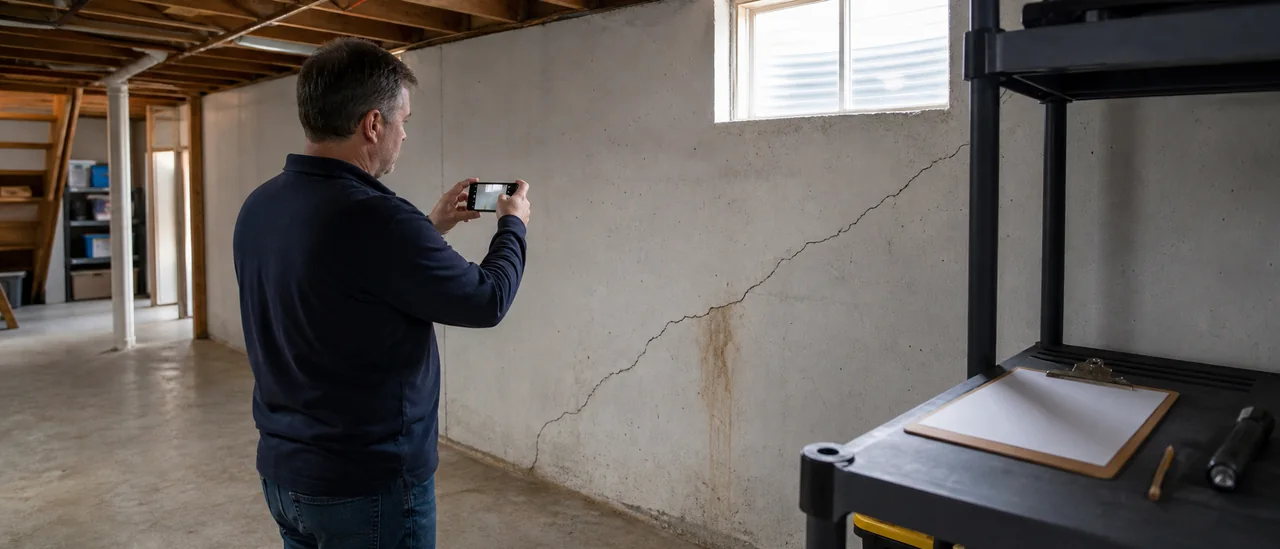
Once the situation is stable, photograph and video the problem before cleanup or repair. Record when and how it appeared, save damaged parts when practical, and keep estimates, invoices, seller disclosures, and messages. If urgent work cannot wait, ask the contractor to document the condition before changing it.
Follow a short, evidence-based process
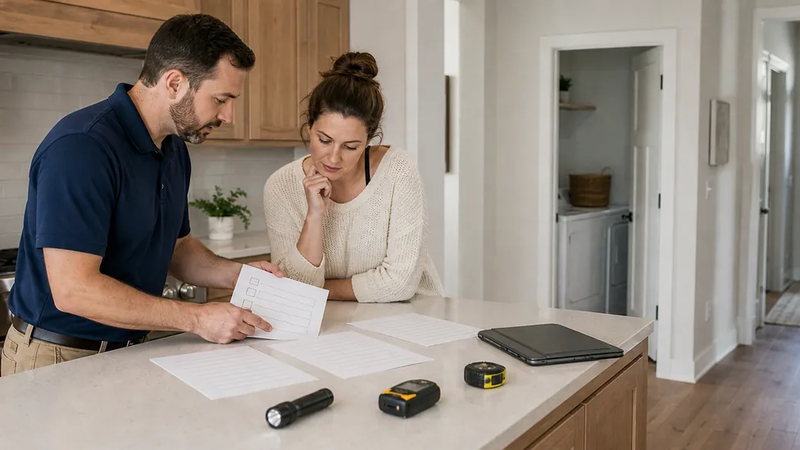
- Read the inspection file. Review the signed agreement, report, photographs, standards of practice, exclusions, and notes about inaccessible areas or shut-down systems.
- Compare the defect with the agreed scope. Identify whether the component was accessible and visually observable on the inspection date, and whether the report mentioned symptoms or recommended further evaluation.
- Obtain an independent assessment. Ask a qualified specialist for a written description of the defect, its likely cause, urgency, repair scope, and whether evidence would probably have been visible during the inspection.
- Notify the inspector promptly in writing. Describe the concern and attach key records. Follow any notice procedure in the agreement, and allow a site visit before non-emergency repairs when doing so is safe and practical.
- Escalate carefully if needed. If the response does not resolve the issue, check the inspector’s licensing authority and consult a local attorney about deadlines, contract terms, and available remedies.
A costly repair does not automatically prove an inspection error
The central question is whether the condition was within the agreed inspection scope and reasonably observable at that time. A specialist can diagnose the defect; responsibility may require a separate contract and legal analysis.
Understand what the original inspection could confirm
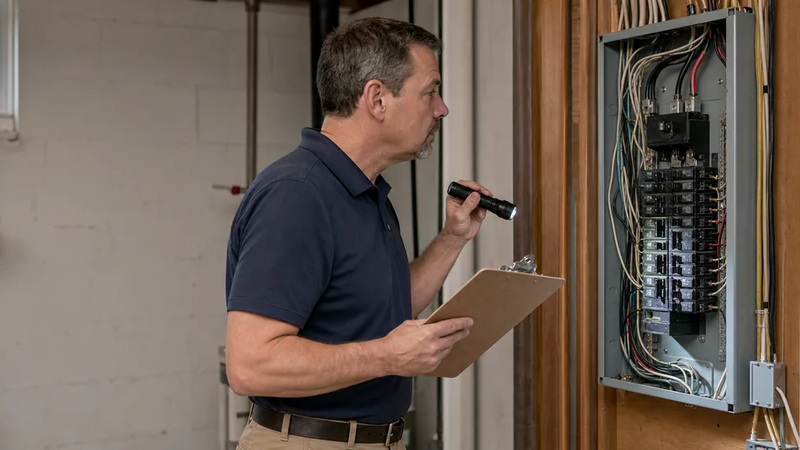
InterNACHI defines a home inspection as a non-invasive, visual examination of accessible areas. Its standard applies to observations made on the inspection date and says an inspection is not technically exhaustive or designed to identify concealed or latent defects. It also excludes moving personal items or other obstructions that restrict the visual inspection.
That means a later discovery may be a missed visible defect, a concealed condition, an excluded item, or a failure that developed afterward. Photographs, access notes, weather and operating conditions, and specialist findings help distinguish those possibilities. The inspection report alone cannot confirm what was hidden behind finishes or inside equipment.
When outside help matters
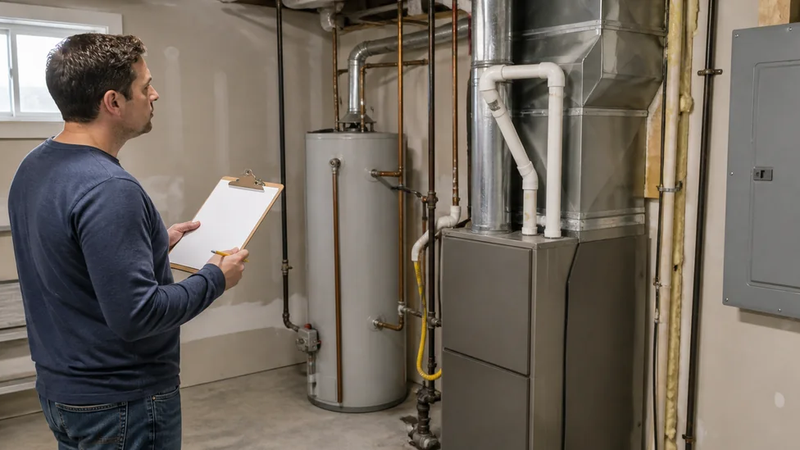
Use the professional suited to the system: for example, a structural engineer for suspected movement, an electrician for unsafe electrical work, or a plumber for concealed leakage. Ask for observations and supporting evidence, not speculation about negligence.
Complaint requirements differ by jurisdiction. As one official example, North Carolina’s licensing board requests the contract, inspection report, photographs, and independent-consultant reports with a complaint. Organizing those records early makes the facts easier to evaluate wherever the property is located.