On this page
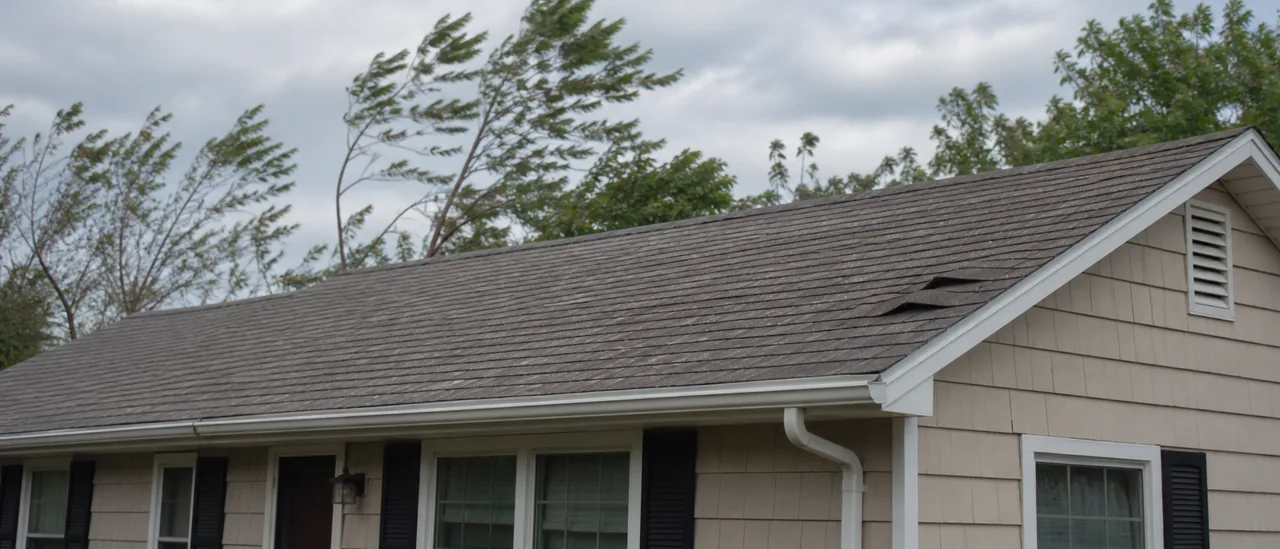
Roof damage can begin with gusts around 45 to 57 mph, especially when shingles are already loose or the roof is weak. At 58 to 74 mph, shingle loss and damage to chimneys become more likely. There is no single speed that guarantees damage to every roof.
Why there is no exact cutoff
Wind speed alone does not describe the force on every part of a roof. Wind creates suction that tries to lift the covering, and that pressure changes across a roof and during each gust. Once one shingle tab lifts or fails, adjacent shingles may face forces they were not designed to resist.
National Weather Service damage-estimation guidance provides useful ranges, not a property-level diagnosis. It associates 45–57 mph winds with a few loose shingles coming off houses. Its 58–74 mph range includes shingles and awnings being removed, plus chimney and antenna damage.
These ranges describe observed effects used to estimate wind, so they should not be read as laboratory pass/fail thresholds. Actual damage can occur at lower or higher speeds.
What changes a roof’s vulnerability
The same gust can leave one roof unchanged and damage another. Important variables include:
- Existing condition: Unsealed, curled, cracked, or previously loosened shingles give wind an easier starting point.
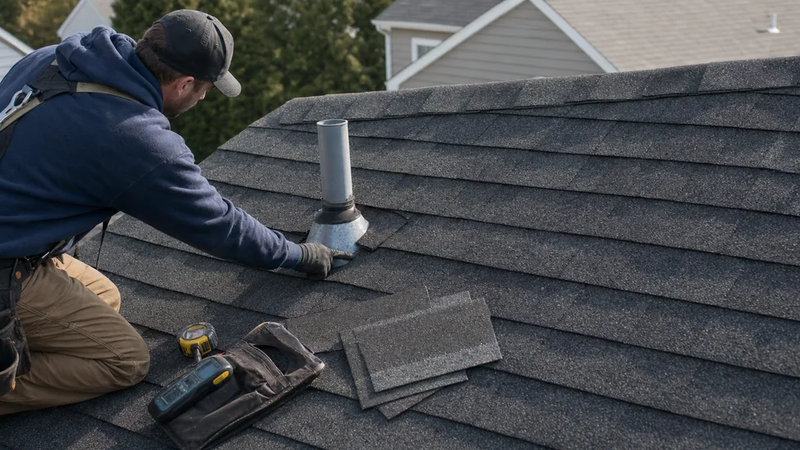
- Installation: Fastener placement, edge details, flashing, and whether shingles sealed properly affect uplift resistance.
- Roof geometry and exposure: Edges, corners, height, slope, nearby terrain, and wind direction change local pressures.
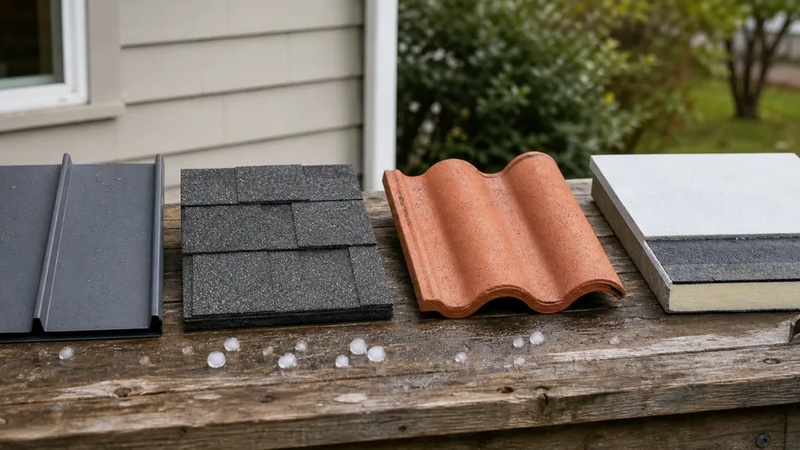
- Material and assembly: Asphalt shingles, tile, and metal panels resist wind through different attachment methods and failure modes.
- Debris: A sound roof can still be damaged by falling limbs or windborne objects.
A wind rating is not a damage guarantee
Standard wind classifications test new roofing under defined conditions. They do not reproduce every combination of aging, weathering, installation, roof shape, and turbulent gusts found on a house.
Practical bottom line
Use about 45 mph as the point where vulnerable roof components may begin to fail, not as a universal damage threshold. Gusts near or above 58 mph warrant greater attention because the National Weather Service treats that range as capable of removing shingles and damaging roof-related components.
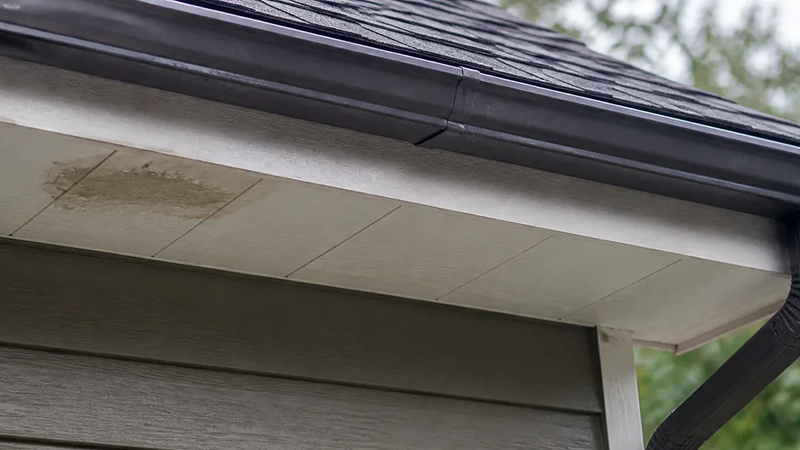
After strong wind, look from the ground for missing or displaced shingles, loose flashing, damaged vents, fallen branches, or new water entry. A reported or estimated gust cannot prove that a particular roof was damaged; the roof’s post-storm condition is what matters. Avoid climbing onto a wet, steep, or visibly damaged roof.
If the exterior looks unchanged, continue watching ceilings and attic areas for moisture after the next rain. Small covering failures are not always obvious from the yard.