On this page
The qualified person depends on the inspection’s purpose
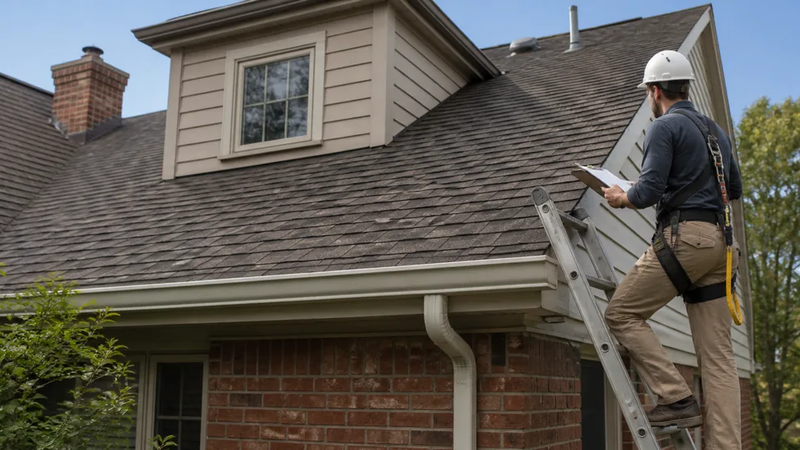
A qualified roof inspector is someone legally permitted and demonstrably competent to perform the specific inspection requested. For a routine condition assessment, that is usually a licensed home inspector where licensing applies, or an independent roof inspector with documented roof-system training and relevant field experience.
There is no single national “roof inspector” license covering every assignment. The U.S. Bureau of Labor Statistics says home-inspector licensing or certification requirements vary by state. Before hiring, check the person’s active credential with the applicable state or local authority.
Match the credential to the decision
A condition report, permit approval, repair diagnosis, and structural opinion are different assignments. Ask who the report is for and whether that recipient requires a particular license, certification, or report format.
What a routine inspector should be able to do
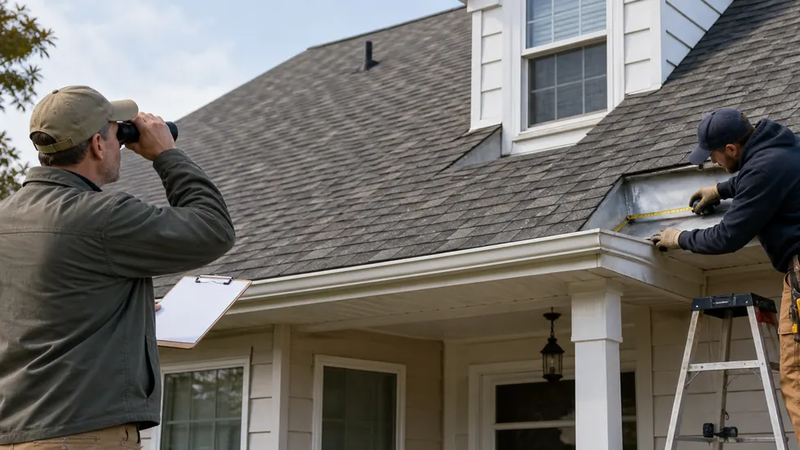
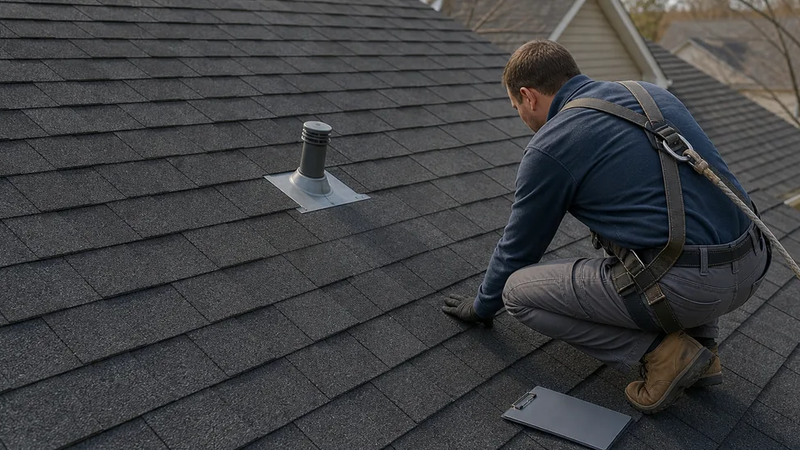
The inspector should understand the roof covering, flashing, penetrations, drainage, ventilation, and visible supporting structure. They should explain their observation method and identify areas they could not inspect.
Ohio’s home-inspector rules illustrate this practical scope: licensees must inspect readily accessible roofing systems and report on roofing materials, drainage, flashing, penetrations, and the method used. The rule is not nationwide, but it shows why a credential must be paired with a defined standard of practice.
When another qualification is necessary
A general roof inspection does not replace every specialist. For permitted construction, use the inspector authorized by the local building department. The Bureau of Labor Statistics distinguishes this code-compliance role from a home inspector, who may identify violations but cannot enforce them.
Suspected framing failure, unusual deflection, or a question requiring calculations or a sealed structural opinion should go to a professional engineer authorized for that work in the state. A roofing contractor may be appropriate for repair methods or installation details, but a repair proposal and an independent condition report serve different purposes.
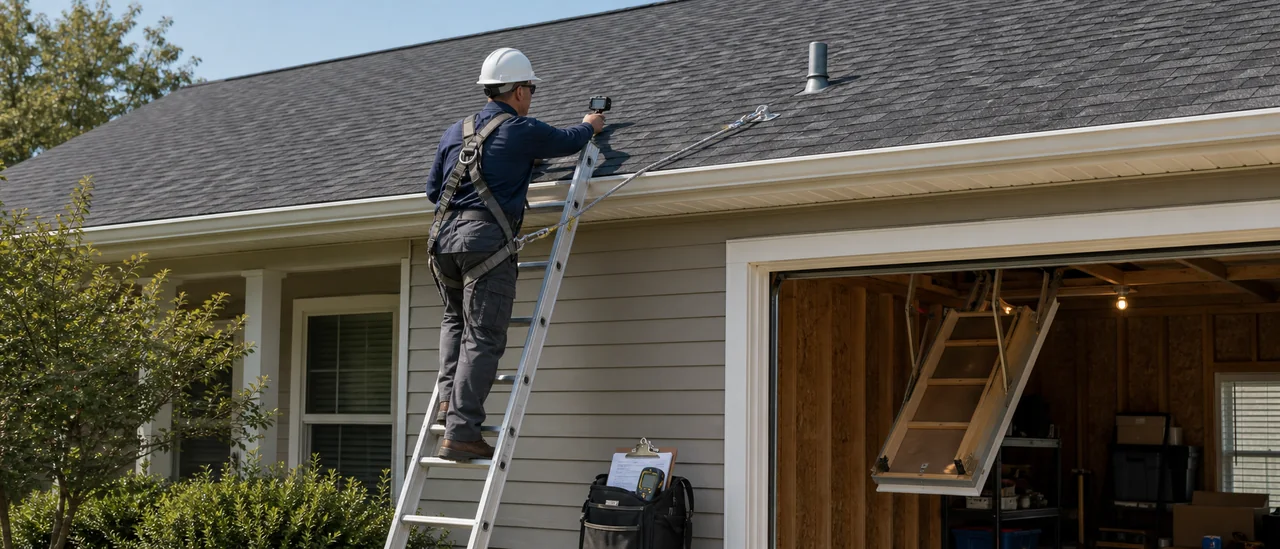
Roof access is also part of competence. OSHA identifies serious fall hazards in roofing work and requires fall-protection measures in covered residential construction situations. A responsible inspector may use binoculars, an eave view, attic access, a camera pole, or a drone instead of walking an unsafe roof.
Practical bottom line
Choose the inspector by the decision the report must support. Verify the local credential, roof experience, written scope, safety approach, and report limitations. If the assignment crosses into code enforcement, engineering, or repair design, use the professional authorized for that task.