On this page
The short answer
Paying for a roof inspection does not automatically make the client the copyright owner of its photos or report. In the United States, the person who creates a photograph or written work generally owns its copyright initially. An inspector’s employer may own work created within the inspector’s job, and a signed agreement can transfer rights.
The client receives the report for the purpose described in the inspection agreement. Who may copy, post, edit, or distribute it depends on that agreement and the copyright owner’s permission.
Why possession and copyright are different
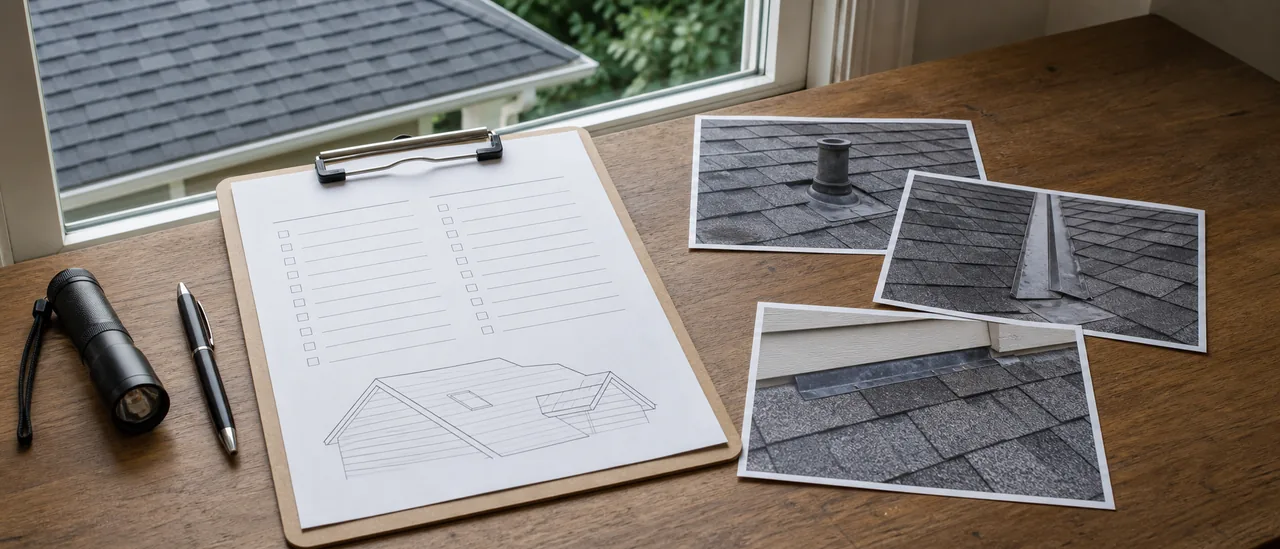
Federal copyright law separates ownership of a copy from ownership of the copyright embodied in it. Receiving a PDF, printed report, or photo set therefore does not itself transfer the exclusive rights to reproduce or publicly display the work.
The same distinction applies after payment. The U.S. Copyright Office explains that hiring a photographer generally does not transfer the photograph’s copyright without a signed writing.
Ownership and permission are not the same
A client may have broad permission to use and share an inspection package without owning its copyright. Look for license, sharing, confidentiality, and copyright terms in the signed agreement.
Variables that can change the answer
The controlling documents and working relationship matter most:
- Independent inspector: The creator is generally the initial copyright owner unless a valid agreement changes that result.
- Inspection-company employee: Work created within regular job duties may be a “work made for hire,” making the employer the author and copyright owner.
- Written transfer: A signed copyright assignment can give some or all exclusive rights to the client or another party.
- Permission without transfer: A license can authorize specified uses while copyright remains with its owner.
Read the contract as a whole. “Report belongs to the client,” “confidential,” and “client-use only” may address different questions. If unclear, ask the inspector to identify the copyright owner and permitted uses in writing.
What the photos and report can establish
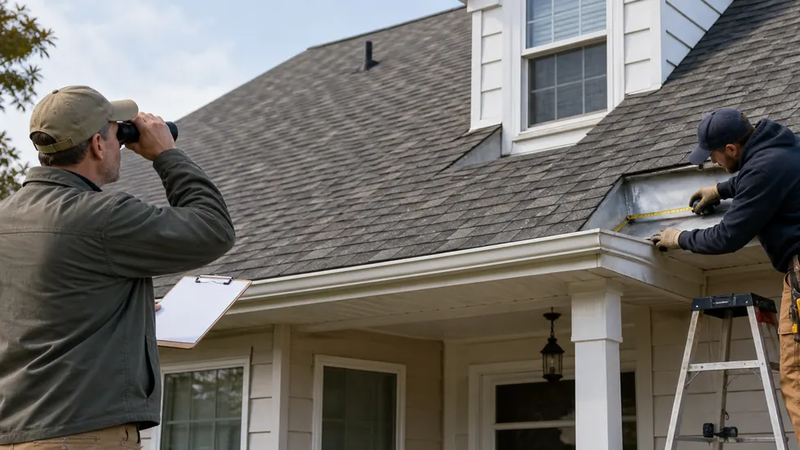
Ownership does not make an inspection record conclusive. Under the American Society of Home Inspectors’ voluntary standard, an inspection covers readily accessible, visually observable, installed components and reports conditions present at the inspection time. “Readily accessible” excludes destructive measures and actions likely to risk people or property.
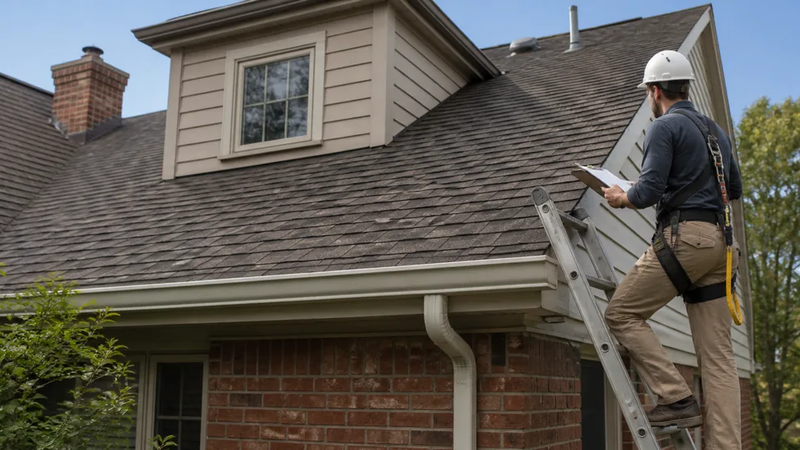
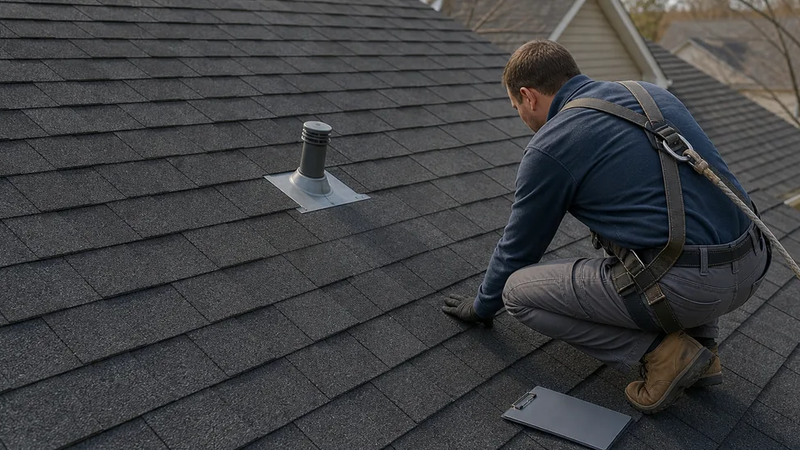
Accordingly, a roof photo can document the visible area, angle, and moment captured. It cannot by itself confirm concealed layers, an area outside the frame, or a condition that required destructive access. The report should be read with its stated scope, exclusions, inaccessible areas, and inspection method.
Practical bottom line
Start with the signed inspection agreement, not an assumption based on who paid. Check who created the materials, whether an employer owns them, whether copyright was assigned, and what uses the client’s license permits. For a disputed or high-stakes use, a qualified attorney can interpret the specific agreement and applicable law.