On this page
Yes—but the inspection scope matters
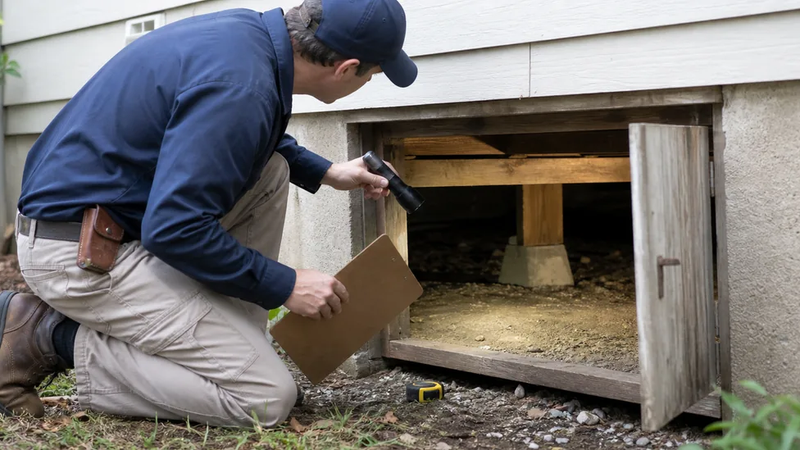
Yes, a home inspector can miss active termites, especially when the insects or their evidence are concealed or a termite inspection was not part of the service. A standard home inspection is visual and limited to readily accessible systems and components.
“Active” generally distinguishes a current infestation from old damage or evidence of past activity. A visual home inspection may document suspicious conditions, but that does not always establish whether termites are currently present.
Why termites can go undetected
The American Society of Home Inspectors’ standard requires inspection of readily accessible, visually observable components. It does not require an inspector to determine the presence of wood-destroying organisms. It also excludes moving furniture, personal property, soil, and debris or entering unsafe and inaccessible crawl spaces.
Those boundaries matter because termites may occupy interior walls, covered flooring, concealed wood, or other areas that cannot be seen. North Carolina’s official consumer guidance says even a wood-destroying insect report is limited to visible evidence at the time of inspection and is not a warranty that insects are absent.
Common visibility limits include:
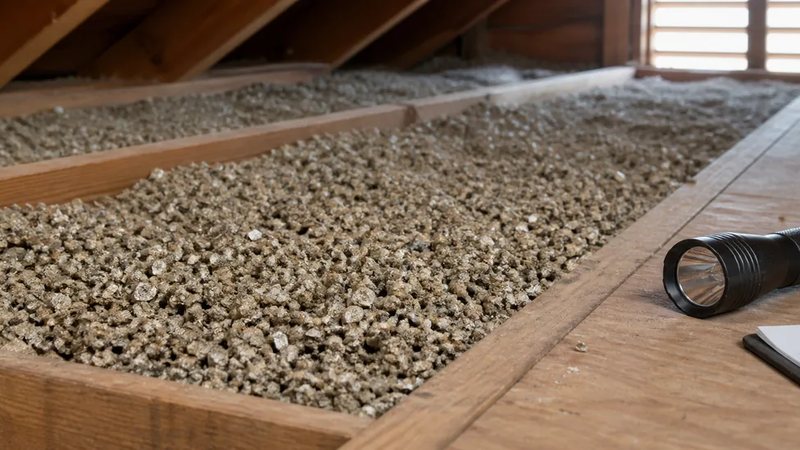
- finished walls, ceilings, flooring, and insulation;
- stored belongings or fixed materials blocking access;
- cramped, unsafe, or inaccessible crawl-space areas; and
- activity with no visible evidence in the inspected areas that day.
A home inspection and a termite inspection are different
A general inspection evaluates visible building conditions. A wood-destroying insect inspection focuses on visible pest evidence and may include probing or sounding unobstructed, accessible wood. The agreement should identify which service was ordered.
What a visual finding can confirm
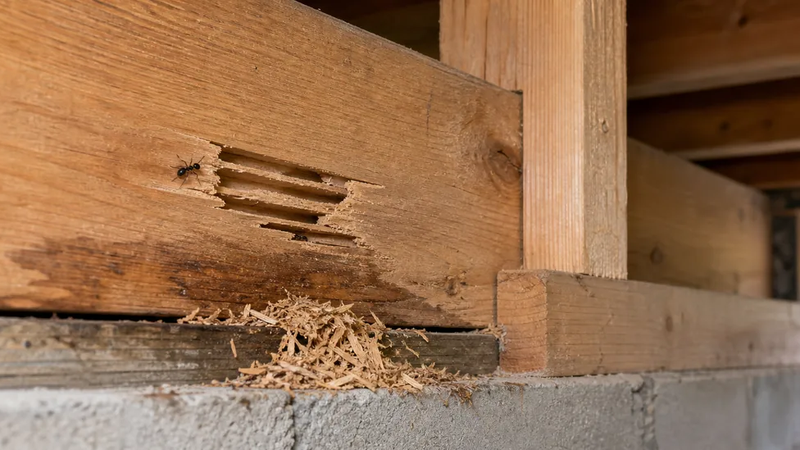
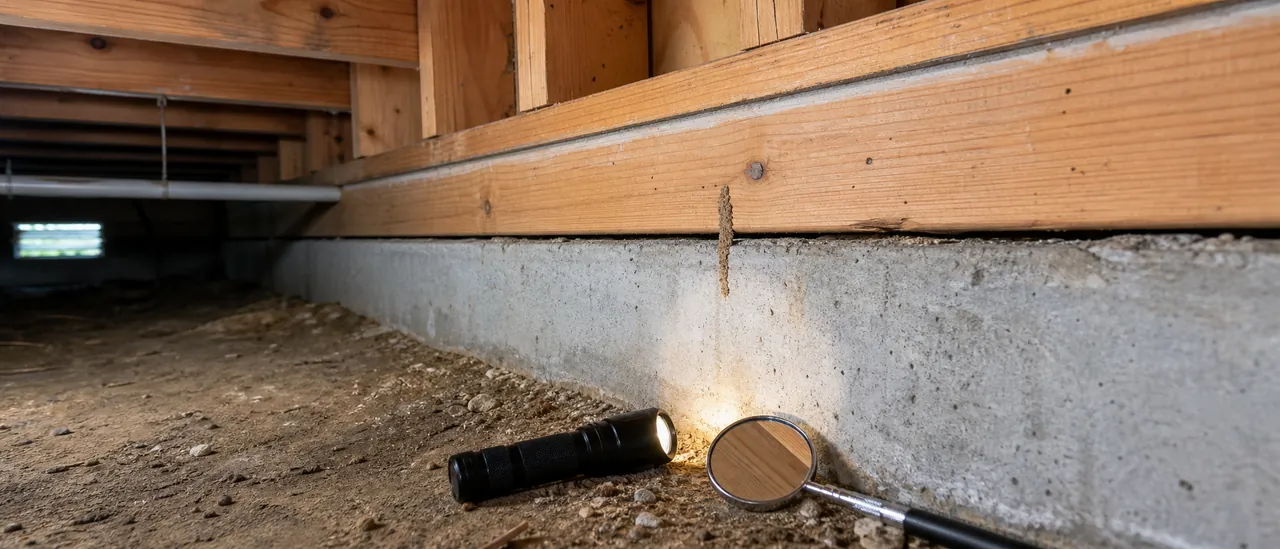
An inspector can report what is actually visible: insects, shelter tubes, damaged wood, moisture, wood-to-soil contact, or another condition needing evaluation. However, old-looking damage alone may not establish current activity, and a clean visible area cannot rule out a concealed infestation.
Authority to identify termites also varies by jurisdiction. Texas, for example, says a person reporting on wood-destroying insects must hold the relevant state license. A home inspector working only under the state’s home-inspector license may report visible damage but may not conclude that termites caused it.
Practical bottom line
Read the inspection agreement and report together. Check whether wood-destroying insects were included, which areas were inaccessible, and whether the inspector recommended follow-up.
If a current infestation must be confirmed or ruled out as far as a visual inspection allows, use a qualified wood-destroying insect professional who holds any license required in that state. Even that focused inspection cannot guarantee that concealed termites will be found.