On this page
Current termite inspection cost
As of June 2026, a professional termite inspection typically costs $75 to $325, with a reported national average near $100. Home size, inspection purpose, and regional pricing usually have the greatest effect. A small, accessible house may land near the low end; a large property or transaction-specific report can cost more.
Use that range for budgeting, not as a local quote. Some companies advertise a no-charge inspection when evaluating a possible treatment, while a stand-alone written wood-destroying insect report normally carries a fee. Ask whether the inspection is independent of treatment and whether the price includes the required report.
| Planning scenario | Approximate inspection cost | Typical assumptions |
|---|---|---|
| Low | About $75 | Small, accessible home; limited routine scope |
| Typical | About $100–$200 | Average home; written findings or transaction report |
| High | About $325 or more | Large or complex property; expanded or commercial scope |
The table reflects inspection fees only. Treatment, repairs, invasive investigation, clearance letters, reinspection, and warranties or service plans may be separate charges.
What the inspection price includes
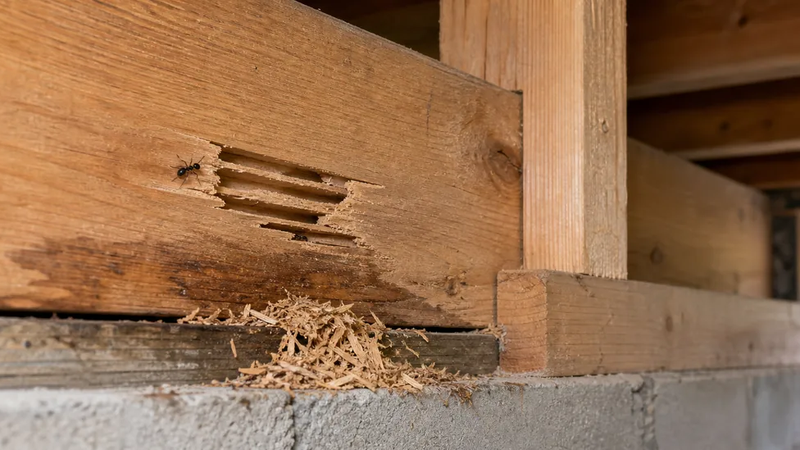
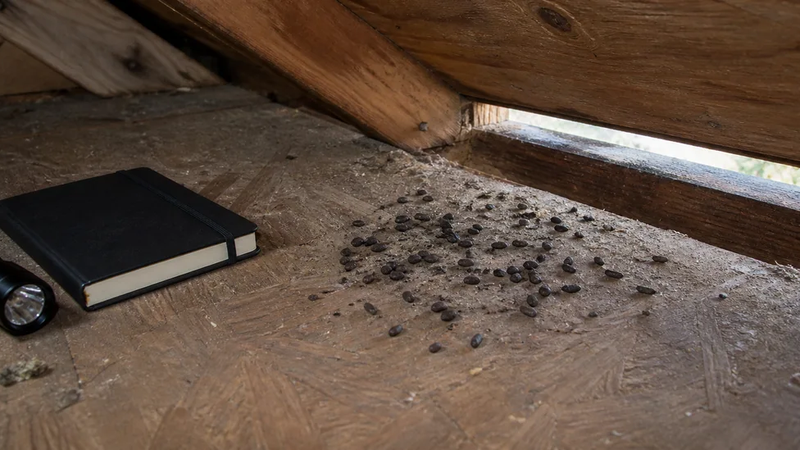
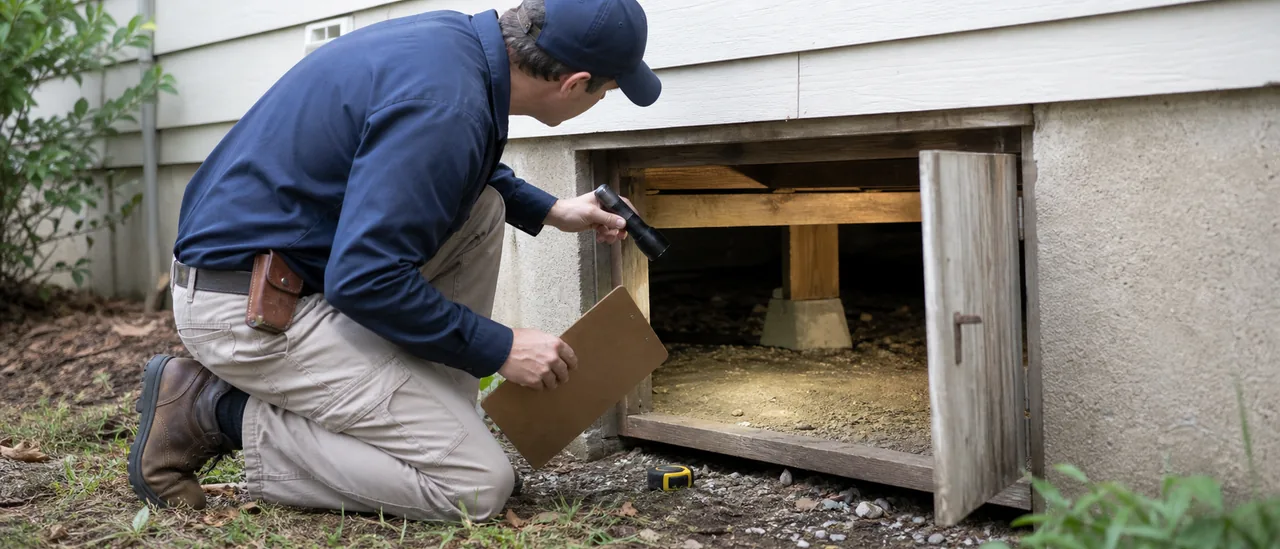
A termite inspection generally covers a visual examination of readily accessible parts of the structure. The inspector looks for visible evidence of termites or damage in accessible interior, exterior, attic, basement, and crawl-space areas, as applicable. Probing or sounding unobstructed wood may also be part of a formal wood-destroying insect inspection.
The exact deliverable depends on the service. A routine evaluation might provide findings and recommendations, while a real-estate or lender transaction may require a particular WDI or WDO form. Those broader terms can include certain wood-destroying insects besides termites, depending on the form and state rules.
Before accepting a quote, confirm that it states:
- which structures and accessible areas will be inspected;
- whether a signed written report or transaction form is included;
- which insects or organisms the report covers; and
- whether travel, return visits, or clearance documentation cost extra.
Why the price changes
Property size and complexity affect the time required. Multiple foundations, detached structures, crawl spaces, and extensive accessible framing can expand the inspection.
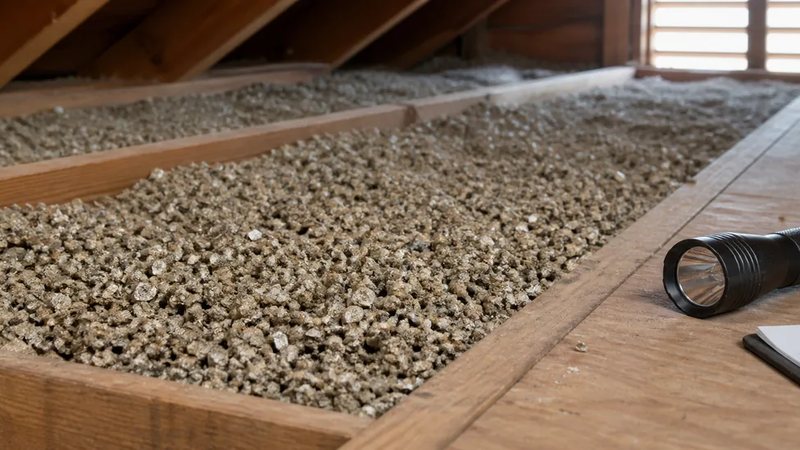
Access matters because stored belongings, insulation, low clearances, finished surfaces, and unsafe spaces can prevent a complete visual examination. Making an area accessible or requesting a return inspection may add a fee; destructive opening is not part of the ordinary visual scope.
Location and credentials also change pricing. Labor costs, travel distance, state licensing rules, local report forms, and transaction requirements vary. A quote for a routine homeowner check is therefore not directly comparable with a certified real-estate report.
An inspection fee is not a treatment or repair estimate
A visual report can identify accessible evidence, but it does not establish the full extent of concealed infestation, structural damage, or correction costs. Price those services separately after the findings are understood.
When separate estimates are appropriate
If the inspection identifies live termites or visible evidence, request a written treatment scope from a properly licensed pest professional. Suspected structural damage may also require an appropriately qualified building or structural specialist before repair costs can be estimated.
The report cannot guarantee that concealed or inaccessible areas are termite-free. Review its exclusions and inaccessible-area notes before deciding whether further access, reinspection, or specialist evaluation is worth the additional cost.