On this page
The direct answer
Yes. A home inspector can miss vermiculite insulation when it is concealed, covered, or in an attic or wall area that cannot be safely and readily accessed.
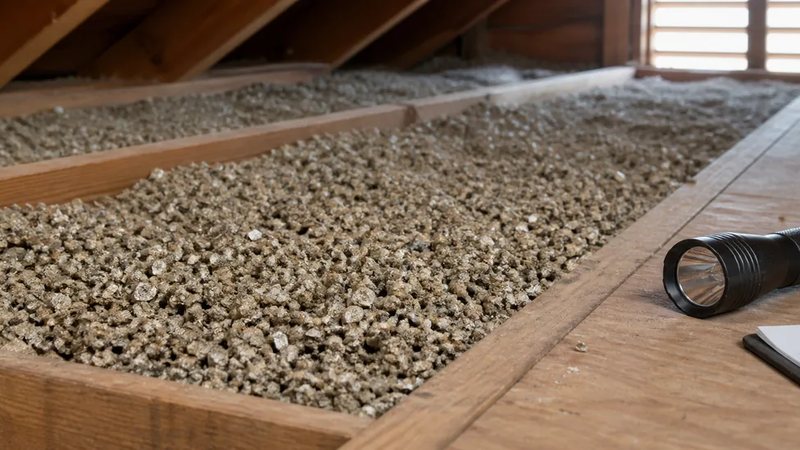
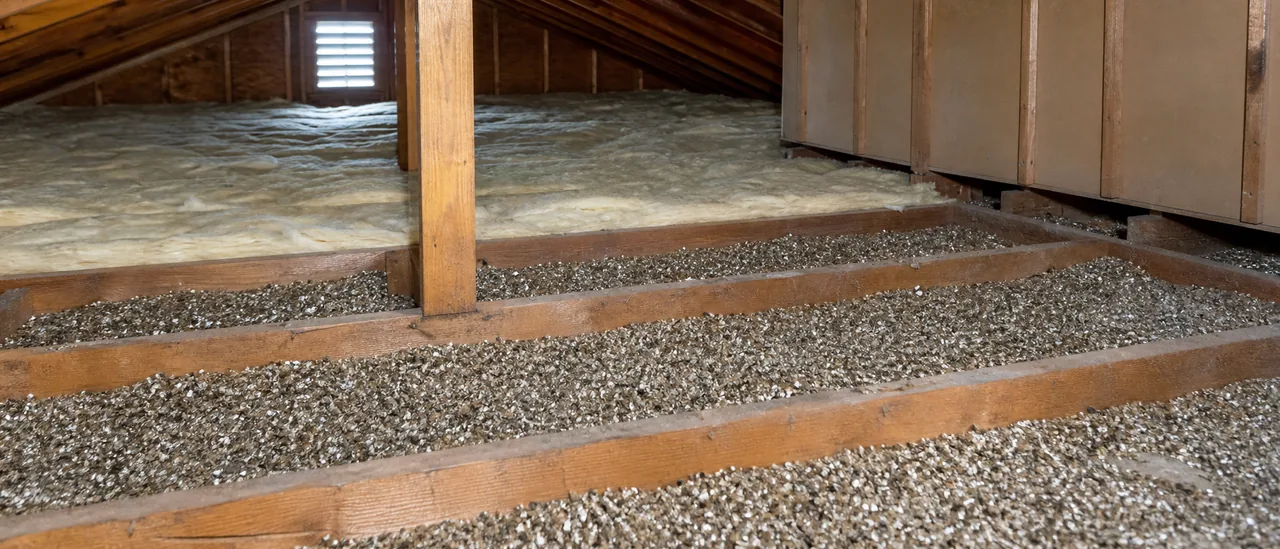
When exposed, vermiculite often has a recognizable appearance. The U.S. Environmental Protection Agency describes it as a loose, pebble-like material, usually gray-brown or silver-gold. Recognition still depends on adequate visibility and access.
Why an inspection may not find it
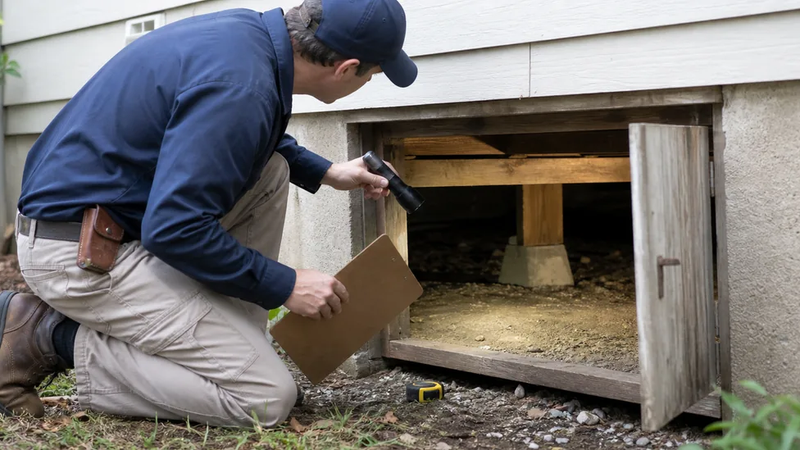
A standard home inspection is visual and noninvasive, not a search inside every cavity. The American Society of Home Inspectors standard calls for inspection of readily accessible, visually observable components. It also says inspectors are not required to identify concealed conditions or enter attics that are not readily accessible.
That leaves several practical ways vermiculite can remain unseen:
- It may be inside finished wall or ceiling cavities.
- Newer insulation may cover an older layer.
- Stored belongings, flooring, or restricted clearance may block the view.
- An unsafe hatch, concealed framing, or another hazard may limit attic entry.
An inspector working under the ASHI standard should report designated components that were present but not inspected and explain why. However, the exact duty depends on the inspection agreement, the standard used, and applicable state rules.
“Not reported” is not the same as “not present”
Check the report for attic-access notes, concealed-area limitations, and the inspection method. These details show how much of the insulation was actually visible.
What sight can—and cannot—confirm
Visible granules may allow an inspector to identify material as suspected vermiculite or recommend further evaluation. A photograph can also document its location and apparent condition without disturbing it.
Appearance cannot confirm whether the material contains asbestos. EPA advises homeowners with vermiculite insulation to assume it may be contaminated and avoid disturbing it. EPA also advises against opening walls merely to check for vermiculite.
This distinction matters: finding vermiculite is a visual observation, while determining asbestos content is a separate environmental evaluation. A standard home inspection does not require hazardous-material identification under the ASHI standard.
Practical bottom line
Read the inspection report before concluding the inspector overlooked visible material. Look for limitations involving the attic, walls, insulation layers, access, storage, or unsafe conditions. Ask what areas were viewed and from where.
If vermiculite is visible or suspected, do not dig through, sweep, sample, or remove it yourself. Leave it undisturbed and use a trained asbestos professional when evaluation or work that may disturb the material is necessary.