On this page
Yes, but “as-is” has limits
Yes, a house can generally be sold as-is with roof problems, but the contract cannot guarantee that every buyer or lender will accept its condition. The most important limitation is that “as-is” addresses the sale terms; it does not make a serious roof defect disappear or override applicable disclosure and financing requirements.
Cornell Law School’s Legal Information Institute defines “as is” as a sales-contract term under which a buyer accepts an item in its current condition. The precise legal effect depends on the contract and the law where the property is located.
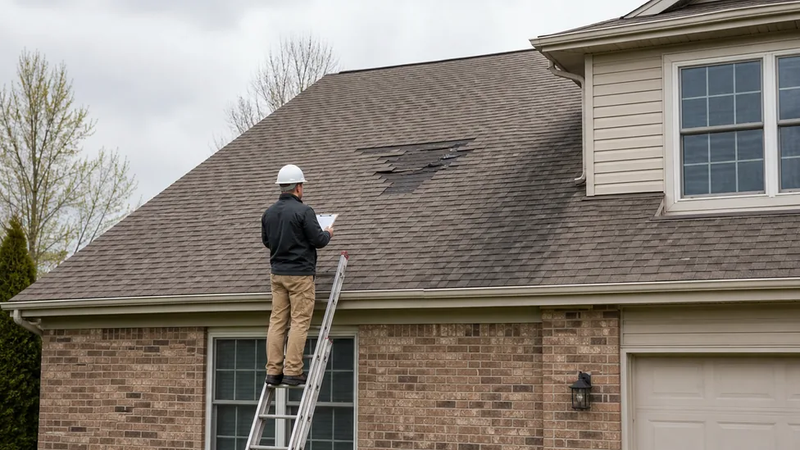
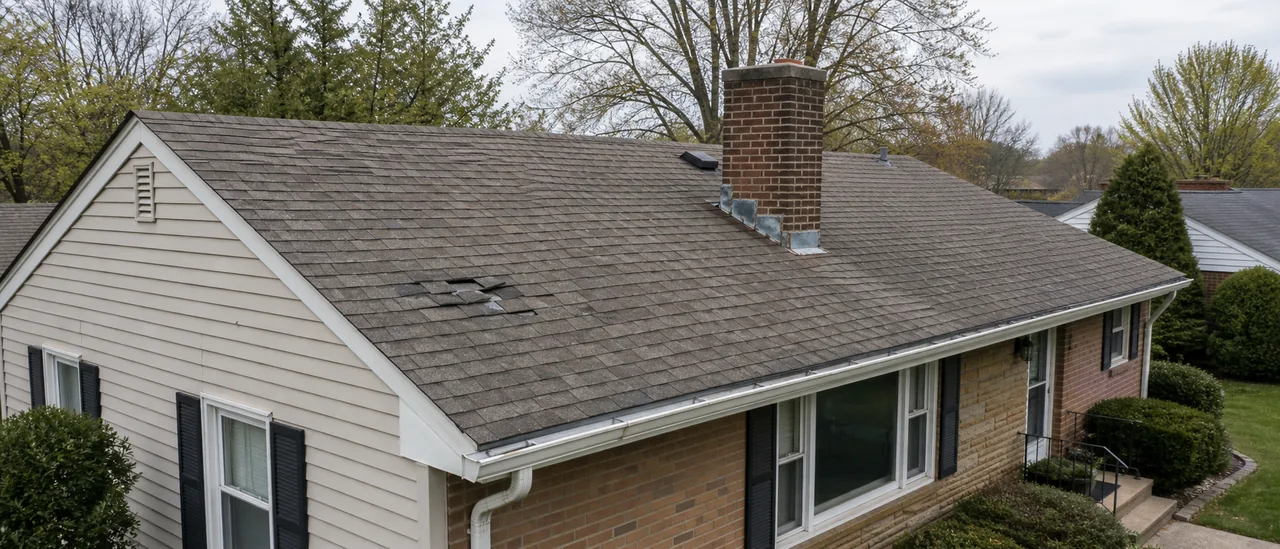
For a roof, that can include an older covering, missing shingles, active leakage, damaged flashing, or structural deterioration. These conditions differ greatly in scope, so simply labeling the sale “as-is” says little about whether the house is safe, financeable, or ready to close.
Three phrases that are easy to confuse
An as-is sale describes the parties’ contract. An appraisal completed as is means the property meets that loan program’s applicable condition threshold without required repairs. A seller’s decision to make no repairs is a separate contract term. One phrase does not automatically establish the other two.
What can affect whether the sale closes
Four variables matter most:
- Disclosure duties: Required disclosures and exceptions vary by jurisdiction. An as-is clause should not be treated as permission to conceal a known roof problem or provide an inaccurate property description.
- Financing: A cash purchase is not governed by a mortgage program’s property standards. A financed purchase is, and the lender may require appraisal conditions to be resolved before closing.
- Severity: A worn but functioning roof is different from active water entry, unsafe framing, or another defect affecting safety, soundness, or structural integrity.
- Evidence: A roof inspection, photographs, invoices, permits, and written repair estimates help establish what the problem actually is. A general appraisal is not a substitute for a detailed roof inspection.
Fannie Mae provides one useful conventional-loan example. Its current Selling Guide allows properties rated C1 through C5 to be eligible in “as is” condition. A C6 rating means at least one deficiency affects safety, soundness, or structural integrity, so the appraisal must instead be completed subject to correcting the deficient item. Other loan programs and lenders may use different requirements.
Practical bottom line
Selling as-is remains possible when a roof needs work. The real question is whether the documented condition fits the contract, applicable disclosures, and the buyer’s financing requirements. Identify the roof defect accurately, distinguish maintenance from safety or structural problems, and check local legal requirements rather than assuming “as-is” settles every issue.
Related reading: How should roof age affect my offer?