On this page
The direct answer
No—people cannot create hailstorms on demand; cloud seeding can only try to influence suitable clouds that already exist. It does not generate the moisture, instability, and powerful rising air needed to build a hail-producing thunderstorm.
The World Meteorological Organization distinguishes local weather modification from storm creation. It says the energy in weather systems is too large for current technology to create raining cloud systems or eliminate severe weather. That limitation matters more than the word artificially: a seeded cloud is modified, not a manufactured storm.
Modification is not creation
Cloud seeding adds particles to an existing cloud to influence droplet or ice-crystal growth. It cannot supply an absent thunderstorm’s large-scale ingredients or control the storm’s path and strength.
Why hail needs a real thunderstorm
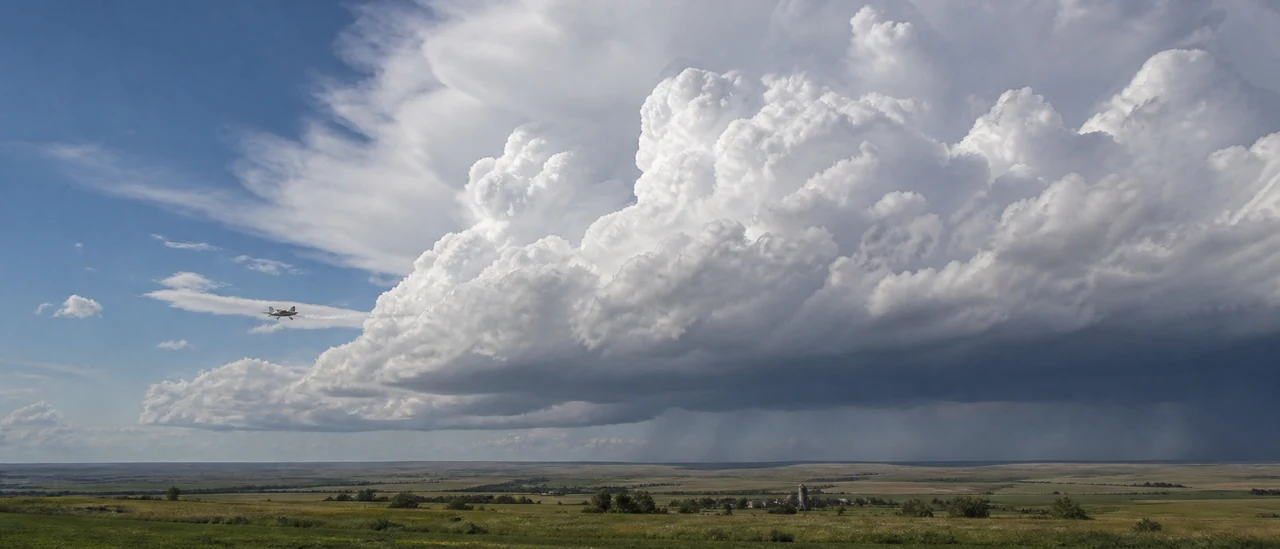
Hail forms when a thunderstorm updraft carries water into very cold air. The drops freeze, then hailstones can grow as they encounter supercooled liquid water. Stronger updrafts can keep heavier stones aloft longer before gravity wins.
Cloud seeding works on a much smaller scale. Glaciogenic seeding introduces ice-forming particles, often silver iodide, while hygroscopic seeding is intended to alter liquid-drop sizes. Programs have used these methods to seek more rain or snow and, in some places, less hail damage.
Those efforts still require favorable clouds. A 2024 U.S. Government Accountability Office assessment found that unpredictable cloud conditions must be suitable and that limitations in research make seeding effects difficult to evaluate.
Can seeding accidentally cause a hailstorm?
There is no sound basis for saying seeding creates an otherwise nonexistent hailstorm. Inside an existing convective cloud, however, added particles may alter ice and precipitation processes. The direction and size of any change are hard to isolate from the storm’s natural variability.
Hail-suppression projects illustrate the uncertainty. The WMO reports that outcomes are often difficult to establish confidently, especially in dynamically complex storms such as supercells. Therefore, a seeding flight near a later hail report does not by itself demonstrate cause.
What the evidence actually tells you
Three kinds of evidence answer different questions:
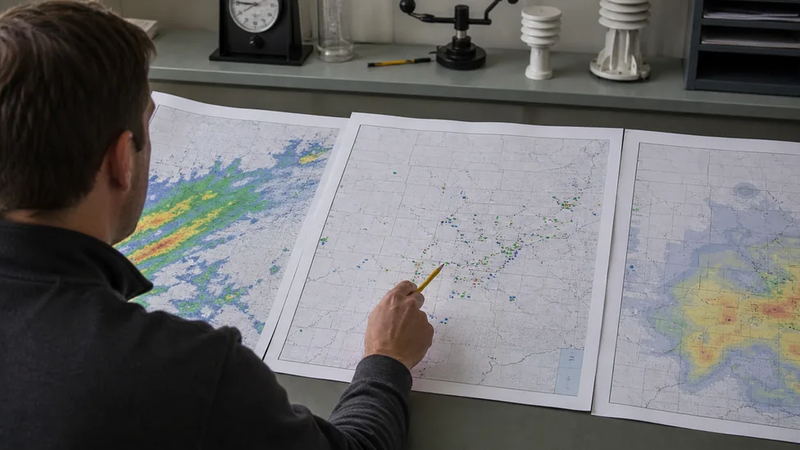
- A radar indication shows where storm echoes suggest hail, including hail held aloft. It is remote sensing, not a surface observation.
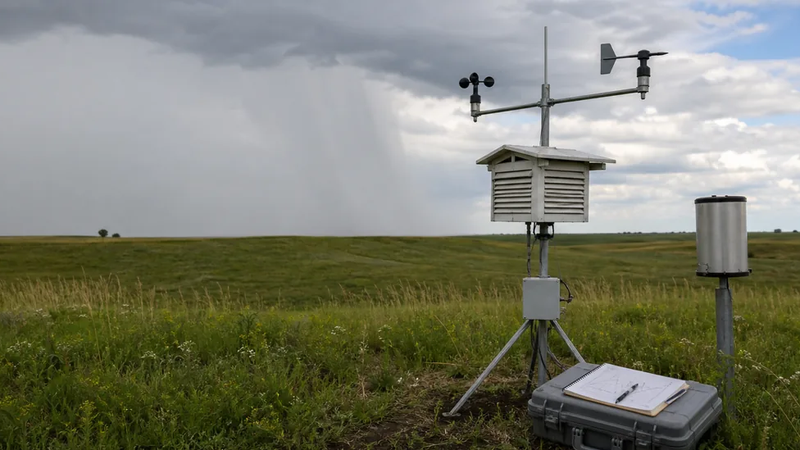
- Observed hail confirms that someone or an instrument recorded hail at a particular place and time.
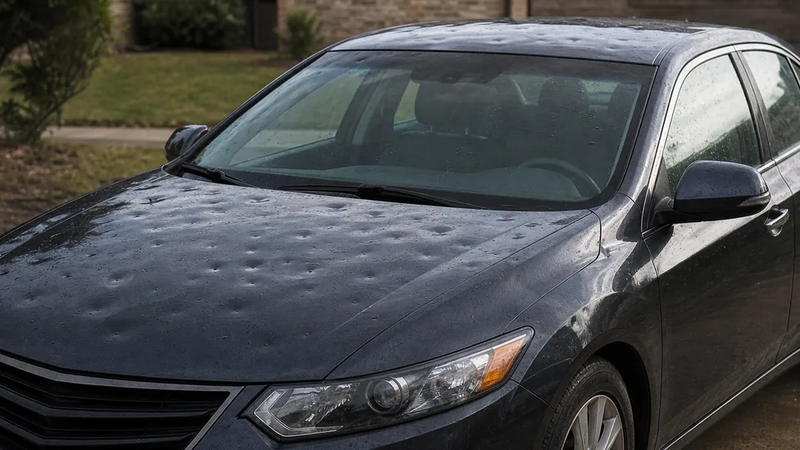
- Confirmed property damage is a separate finding about a specific structure or object. Neither a radar estimate nor a nearby hail report proves that damage occurred there.
The practical bottom line is simple: humans can attempt to modify precipitation within an existing, suitable cloud, but they cannot construct a hailstorm from clear or unfavorable skies. Claims of artificial hailstorm creation go far beyond what current evidence supports.