On this page
Yes—but “void” is not always the precise result
Yes, improper installation can defeat shingle-warranty coverage when the error caused the problem or when a particular benefit required compliant installation. However, some written warranties keep the basic warranty in force while excluding installation-caused damage.
That distinction matters. A shingle warranty is the written promise that governs covered defects, eligibility, exclusions, remedies, and claim procedures. It may cover manufacturing defects without promising to correct the installer’s workmanship.
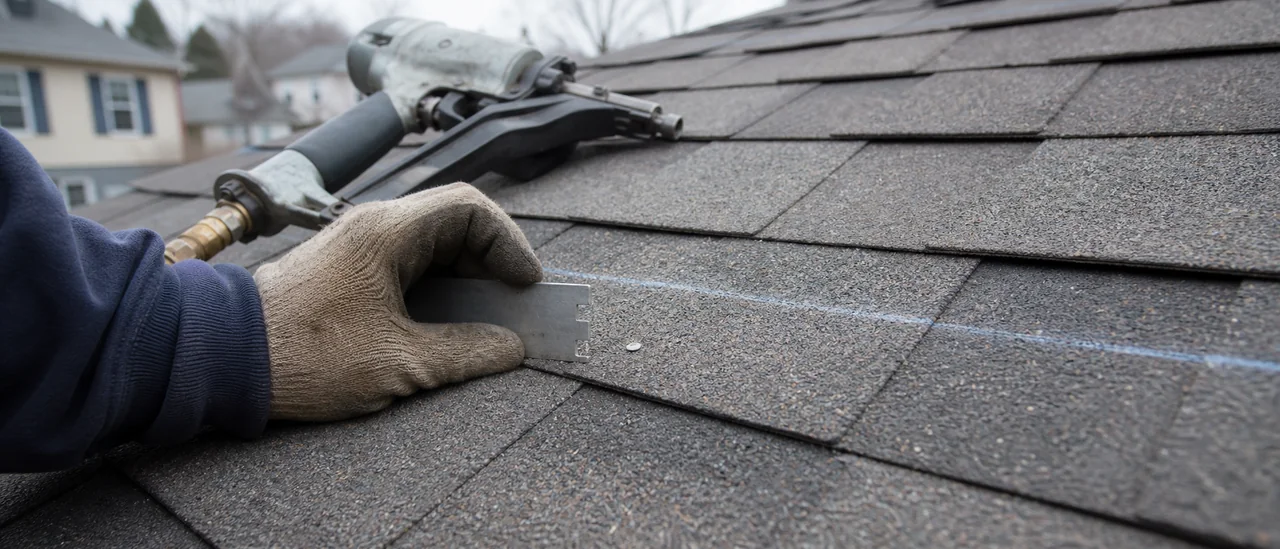
One current manufacturer warranty illustrates the limitation clearly: the warranty remains in effect after improper installation, but it does not apply when improper fastening or failure to follow application instructions caused the damage. The same warranty conditions its wind protection on fastening and installation that follow its instructions.
Another manufacturer’s warranty guidance says its asphalt-shingle warranty covers manufacturing defects that result in leaks, not incorrect application. These documents support a narrower answer than “one mistake cancels everything.” The effect depends on the actual warranty and the connection between the installation error and the claimed failure.
What “void” may mean in practice
The entire warranty may not disappear. Instead, the warrantor may deny the installation-related claim, limit a wind or system benefit, or apply another written exclusion. Only the warranty in effect when the roof was installed supplies the exact answer.
Which details control the outcome
Start with the warranty version that applied on the installation date. Current terms can differ from older terms, and enhanced coverage may have additional eligibility rules.
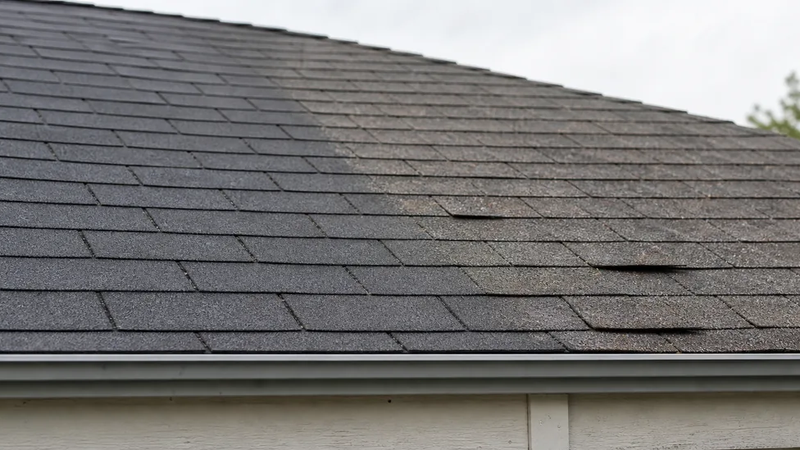
Then identify the alleged error and the claimed problem. Common installation questions involve fastener number or placement, shingle alignment, flashing, underlayment, deck condition, ventilation, slope, or use of required accessory components. The important issue is not merely whether work was imperfect, but whether the written terms make that condition relevant to coverage.
Also separate two different promises. A manufacturer’s shingle warranty generally addresses the material under its own terms. A contractor may provide a separate workmanship warranty or contract covering installation errors. A denial under one document does not, by itself, decide rights under the other.
Practical bottom line
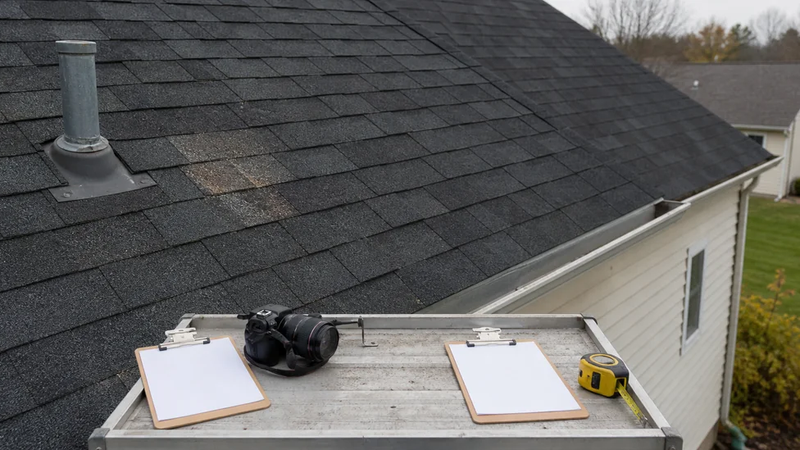
Before authorizing non-emergency changes, preserve the warranty, purchase record, contract, installation date, and clear photographs. Compare the observed detail with the installation instructions that applied at the time. If the cause is disputed, an independent roof inspector or experienced roofing technical reviewer can document visible conditions without deciding coverage.
Ask the warrantor to identify the exact clause and explain whether it affects the whole warranty, one coverage feature, or only damage caused by that installation error. Improper installation can remove important protection, but the written terms—not the word “void” alone—determine how far the consequence reaches.