On this page
Yes—but the installation date alone does not prove the cause
Yes, solar-panel installation can contribute to a roof leak years later, especially when an attachment or conduit penetration was improperly flashed or later becomes damaged. However, a delayed leak can also come from normal roof aging or an unrelated roof detail.
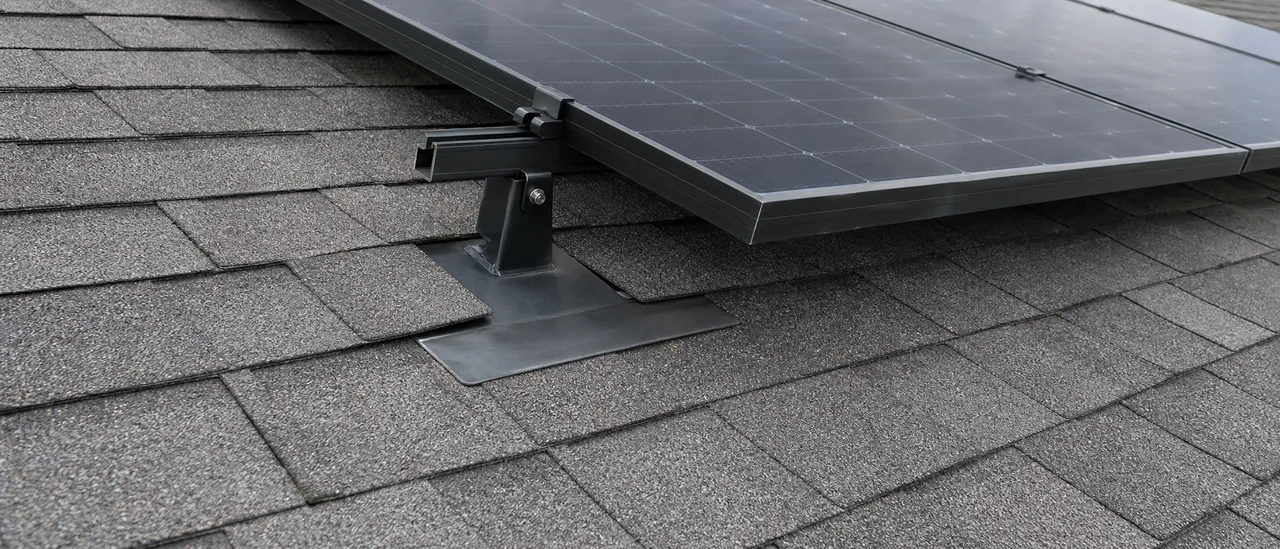
Rooftop mounting often adds attachments to or through the roof covering. Department of Energy building-science guidance identifies roof penetrations as vulnerable to water intrusion and describes protection integrated with the roofing underlayment. In other words, the watertight detail is a layered flashing system—not simply a dab of exposed sealant.
That does not mean every roof-mounted system will leak. Correct detailing protects the opening; poor installation or later damage can compromise it. The risk is conditional, not inevitable.
Why a leak may appear later
A weak detail does not always leak during the first storm. Its performance can change as roofing and mounting materials experience weather, maintenance traffic, or later work. The date water becomes visible indoors does not establish when or where the water-entry path began.
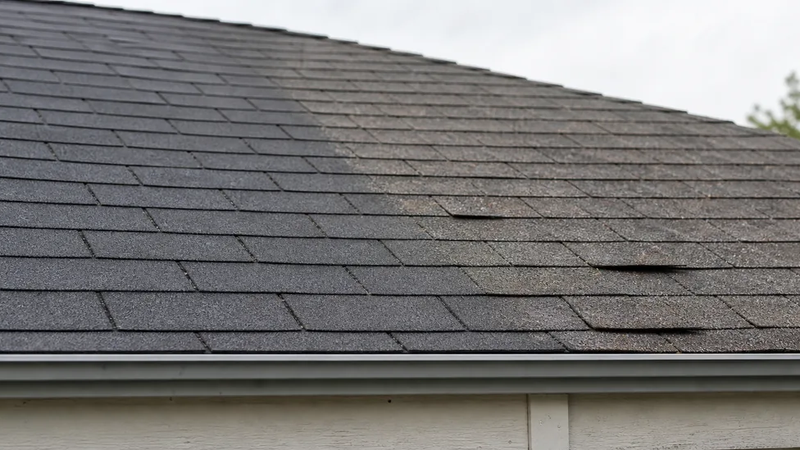
The roof’s condition at installation matters too. Department of Energy homeowner guidance recommends evaluating whether the roof needs repair before panels are installed. Installing an array over a covering already near the end of its useful life does not make every later leak a solar leak.
What determines whether the solar work caused it
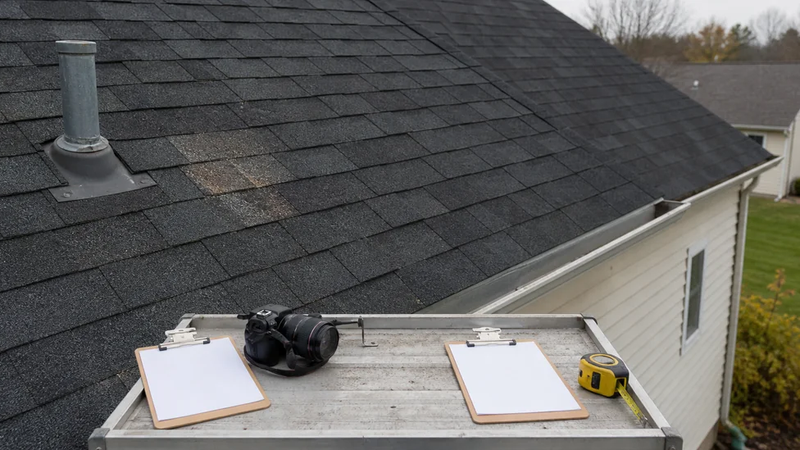
The strongest evidence is physical, not chronological. An inspection should compare the wet area with attachment points, conduit entries, flashing, nearby seams, and the roof deck. It should also check plausible non-solar sources, including deteriorated roof covering, vent flashings, valleys, chimneys, and storm damage.
Useful questions include:
- Is flashing missing, displaced, corroded, or poorly integrated with the roof covering?
- Are open fastener holes, punctures, or incompatible repair materials present?
- Does moisture tracing lead to a solar attachment or to another roof detail?
- Is the surrounding roof covering worn or damaged independently of the array?
Panels can obscure the relevant area, so a roof inspector may need coordinated access from someone qualified to handle the photovoltaic equipment. Avoid assuming the ceiling stain sits directly below the entry point.
Practical bottom line
Solar installation can be responsible for a leak that appears years later, but elapsed time is not enough to establish causation. The practical answer depends on the condition of the penetrations, flashing, roof covering, and deck—and on whether inspection evidence rules out other water-entry paths.