On this page
The direct answer
No, a termite inspection is not universally required before buying a house, but your contract, lender, loan program, or local rules may require one. Even when it is optional, a separate inspection is prudent when the property has visible insect evidence, suspicious wood damage, prior treatment, moisture problems, or inaccessible wood-framed areas.
A “termite inspection” is often formally called a wood-destroying insect (WDI) or wood-destroying organism (WDO) inspection. Its exact name and covered organisms vary by jurisdiction. Confirm which report form and inspector credential the transaction requires rather than ordering a generic pest visit.
A home inspection may not include termites
Do not assume the general home inspection satisfies a WDI or WDO requirement. The ASHI consumer guidance describes these inspections as outside a standard home inspection and notes that specialized licensing or certification may apply.
When the answer becomes yes
Ask for the requirement in writing early in the inspection period. A separate report is needed when:
- the purchase contract makes it a buyer or seller obligation;
- the lender or loan program lists it as a closing condition;
- state or local rules require a particular form or licensed inspector; or
- an appraisal or other inspection identifies possible infestation, damage, or prior treatment requiring specialist follow-up.
Requirements are not uniform even within one loan program. For example, the Department of Veterans Affairs publishes state-specific wood-destroying insect requirements. Its current guidance says an inspection is not required in an unlisted state unless the VA appraisal notes specific issues.
What the report can establish
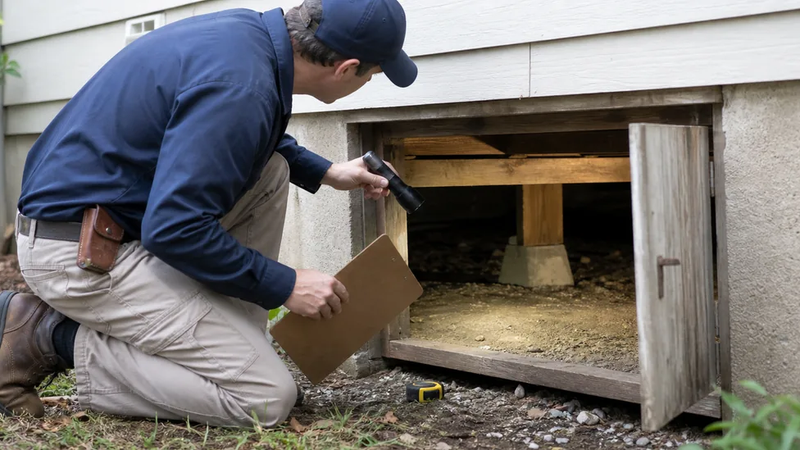
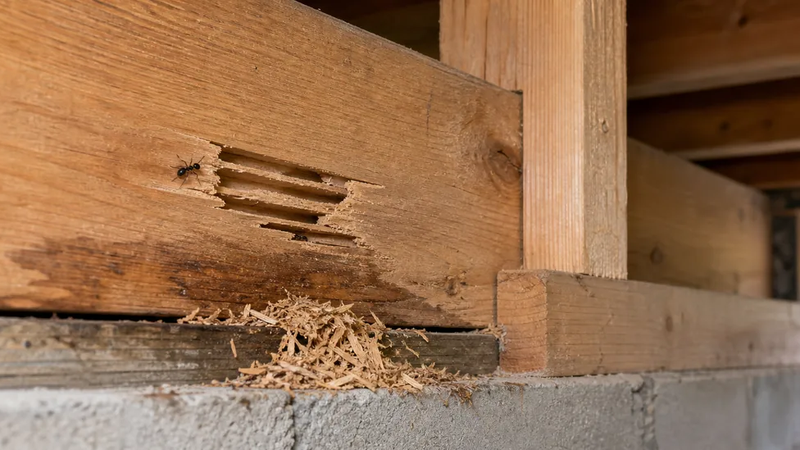
A transaction inspection generally records visible evidence in accessible areas on the inspection date. Depending on the governing form, it may also identify conducive conditions, prior treatment evidence, obstructions, and inaccessible locations.
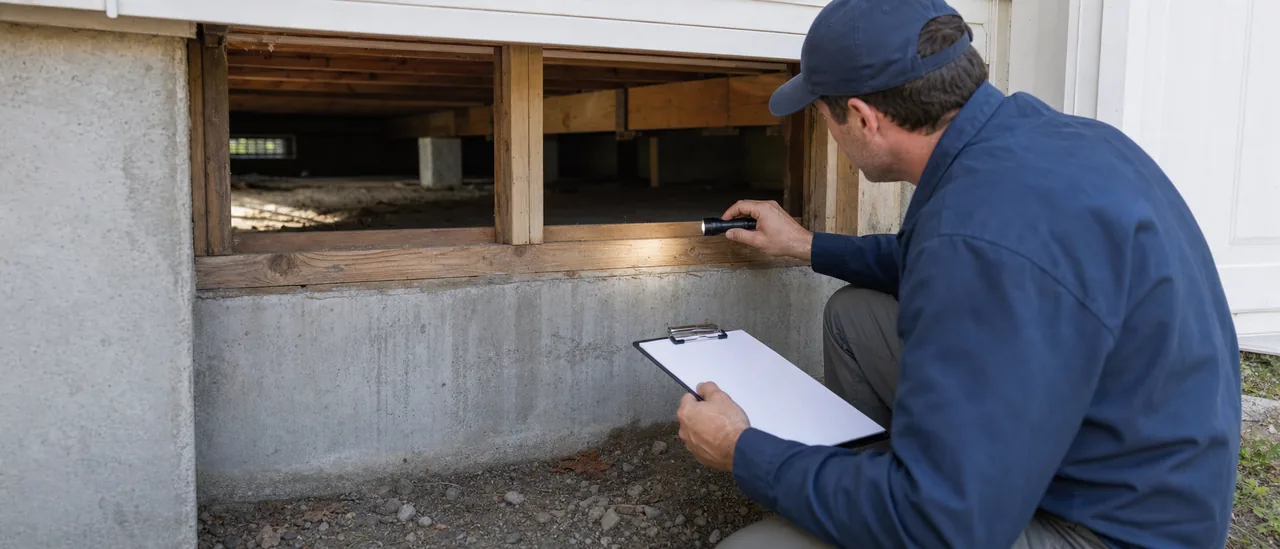
That scope has important limits. North Carolina’s official consumer guidance, for example, describes a careful visual examination of accessible areas and sounding of certain accessible structural members. It also states that its WDI report is not a warranty that insects are absent.
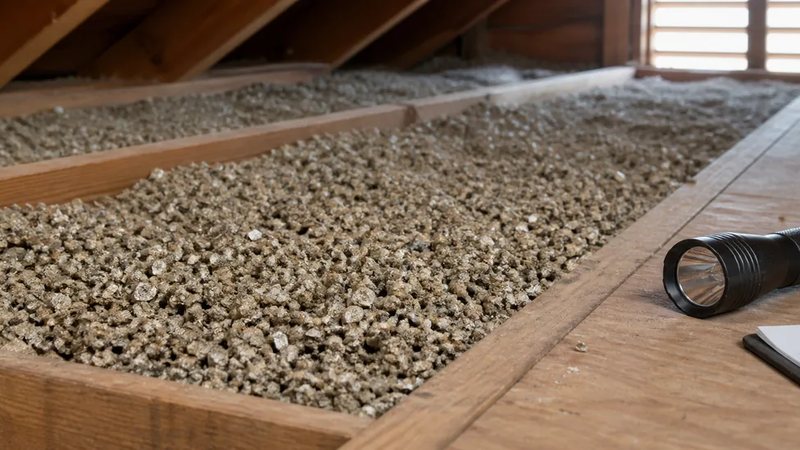
Walls, floor coverings, insulation, stored belongings, and unsafe or blocked crawl spaces can conceal activity. A visual report therefore cannot prove that every part of the house is termite-free. It also may not determine the extent or structural significance of damage.
Practical bottom line
Review the contract deadlines, lender conditions, appraisal, seller disclosures, and general inspection agreement before deciding. If a WDI or WDO report is required—or any evidence or inaccessible area raises concern—obtain the transaction-specific report from a properly licensed or credentialed inspector, then have reported damage evaluated by the qualified specialist the report identifies before the contingency or closing deadline.