On this page
No—age alone does not require replacement
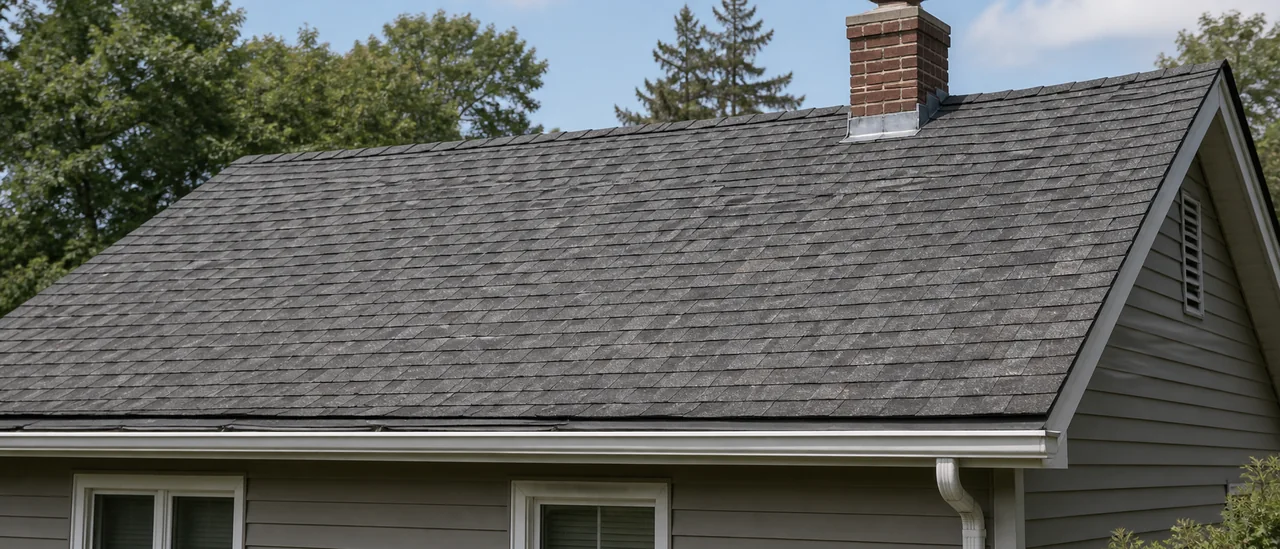
No, a 20-year-old roof does not automatically need replacement; its material and present condition matter more than the calendar alone. Twenty years is a useful inspection and planning milestone, especially for common asphalt-shingle roofs, but it is not a universal expiration date.
The National Roofing Contractors Association says most new roofs are designed for about 20 years of useful service. It also notes that slate, clay tile, and some metal roofs can last longer. Actual service life varies with climate, design, material suitability and quality, installation, and maintenance.
Age is a screening clue, not a diagnosis
Two roofs installed in the same year can age differently. Roof covering, exposure, workmanship, ventilation, drainage, repairs, and maintenance all change what an inspection may find.
What would make replacement more likely?
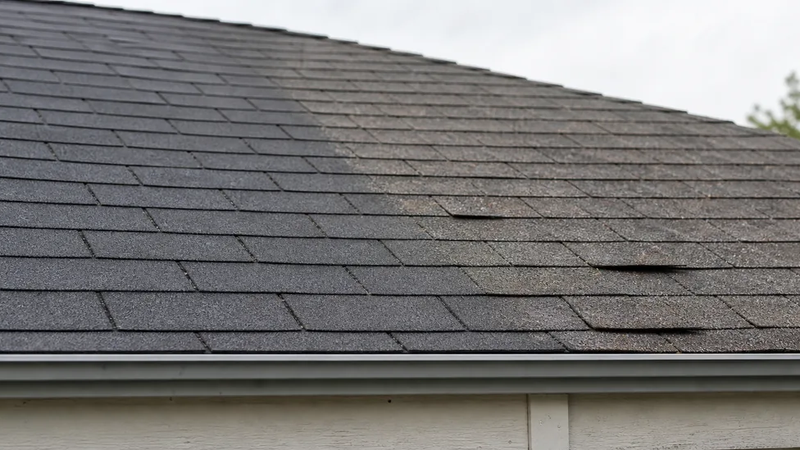
Replacement becomes more reasonable when deterioration is widespread or the roof system no longer sheds water reliably. Relevant findings can include:
- cracked, curled, warped, loose, or missing covering;
- deteriorated flashing or repeated leakage at several locations;
- extensive surface wear or heavy granule accumulation from asphalt shingles;
- soft, sagging, or moisture-damaged roof decking; and
- repairs that are failing or cannot be integrated reliably with the remaining roof.
One isolated leak does not prove the whole roof has failed. NRCA notes that a leak can come from loose flashing or damage limited to one roof section. A sound roof with a repairable localized defect may need repair, not wholesale replacement.
The opposite is also true: no active ceiling stain does not establish that an older roof is sound. Aging and damage may appear first as brittle covering, open seams, failed flashing, or deterioration visible only from an appropriate inspection point.
What should the evaluation cover?
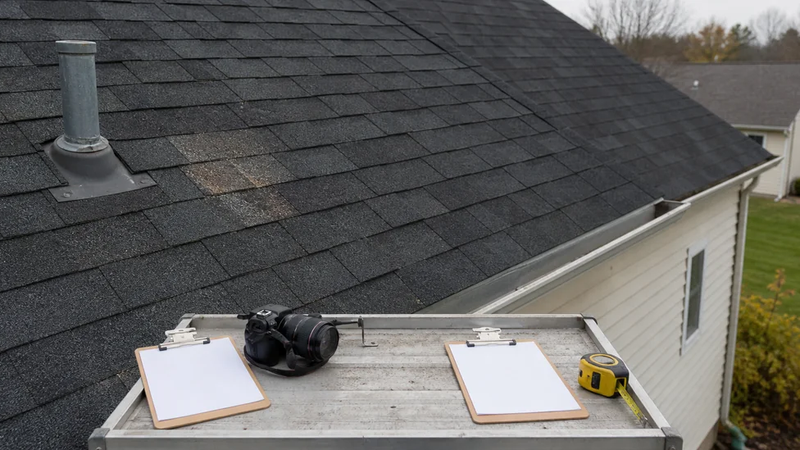
A condition-based evaluation should identify the roof-covering material and examine accessible covering, flashing, penetrations, drainage, and visible structure. Interior attic areas, where accessible, may reveal staining, damp materials, or daylight at openings.
The inspection has limits. InterNACHI’s residential standard does not require an inspector to predict service life, certify the roof, walk unsafe surfaces, or confirm concealed installation details. The useful conclusion is therefore about observed condition and recommended action—not a guaranteed failure date.
Homeowners should not climb onto an aging roof merely to settle the question. Loose granules, steep slopes, brittle materials, and wet surfaces can create fall or damage risks. Ground-level observations and accessible interior checks can inform a qualified roof inspection.
Practical bottom line
At 20 years, arrange a condition-focused inspection and plan financially for eventual replacement. Replace when the covering or roof system shows broad, consequential deterioration; repair when defects are localized and the surrounding roof remains serviceable. If evidence is incomplete, the honest answer is “inspect further,” not “replace by birthday.”