On this page
Start with a hail-size product
Use a radar product labeled MESH—Maximum Estimated Size of Hail—then check the same area in reflectivity, differential reflectivity, and correlation coefficient. Treat the displayed size as an algorithmic estimate aloft, not a measurement of a stone on the ground.
Reflectivity alone is insufficient. A bright radar echo can come from different combinations of particle size, type, and concentration. Dual-polarization data add information about particle shape and consistency, helping distinguish a likely hail core from heavy rain.
Read the radar step by step
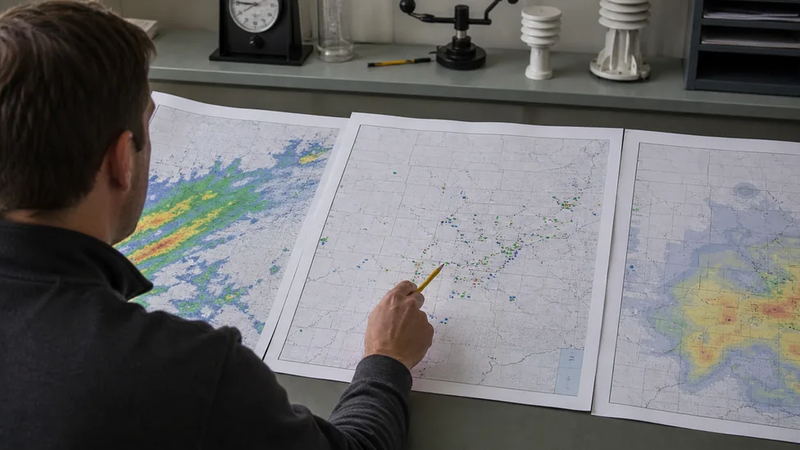
- Match the place and time. Select the scan nearest the location and note its timestamp. Animate several scans so one noisy pixel does not drive the conclusion.
- Read MESH first. The algorithm converts the Severe Hail Index into an estimated hail size. Read the displayed value as guidance, not as the diameter of every stone.
- Check reflectivity. Look for a strong, persistent core, but do not convert a reflectivity color directly into inches.
- Cross-check dual-pol fields. In a strong core, differential reflectivity near zero can suggest hail with similar horizontal and vertical dimensions. Reduced correlation coefficient can indicate mixed particle shapes and sizes. Neither signal gives an exact diameter by itself.
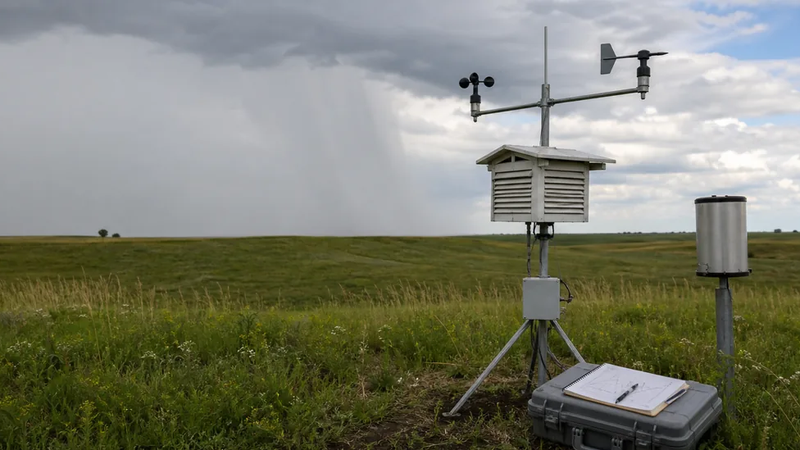
- Compare with surface evidence. Use time- and location-matched reports from the National Weather Service or trained spotters. A measured stone is an observation; MESH remains an estimate.
Three different conclusions
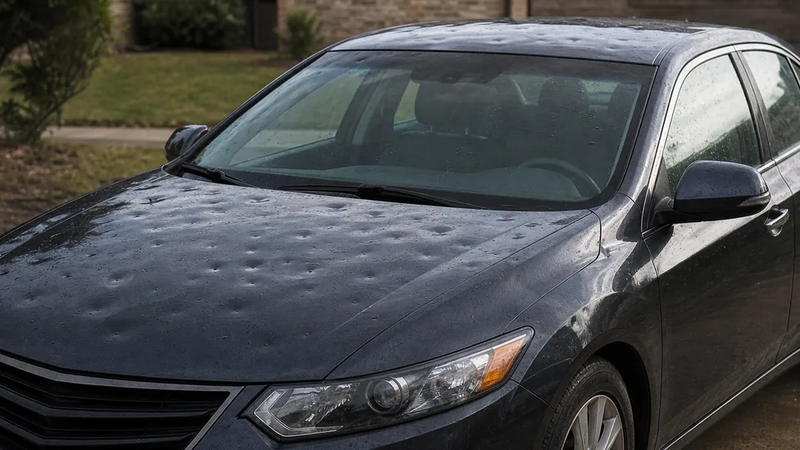
A radar estimate indicates what the storm may contain aloft. An observed hail report documents what someone measured at the surface. Neither one, alone or together, confirms damage to a particular property.
Account for important limits
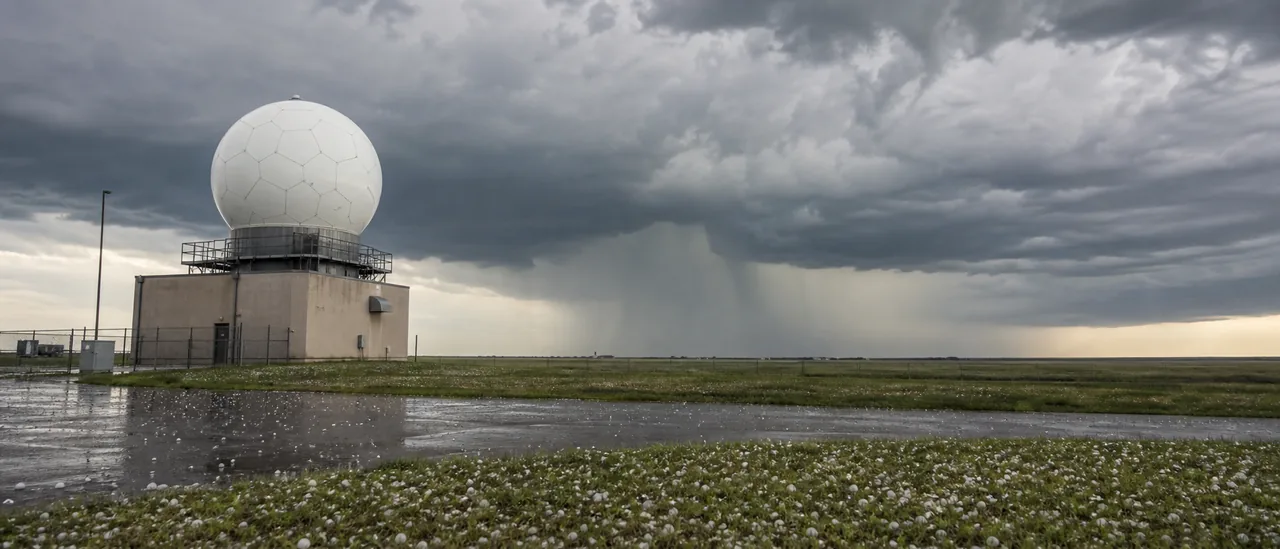
Radar samples a volume of the storm rather than individual hailstones. Hail can melt, break, or drift horizontally before reaching the ground, so the estimated swath aloft may not align perfectly with surface reports. Distance, beam height, blockage, mixed rain and hail, and the storm’s temperature structure also affect interpretation.
Research shows reflectivity cannot independently resolve both hailstone concentration and size. It also cannot reveal hail hardness, which matters to damage. Consequently, a larger radar estimate should not be translated into a specific damage outcome.
Stay sheltered during the storm
Do not go outside to measure hail while thunder or hail is ongoing. Review radar and collect observations only from a safe location; wait until the hazard has passed before checking the ground.
When expert interpretation helps
Ask a meteorologist or weather-data specialist when the exact track, timing, or uncertainty matters. They can examine multiple radar elevations, environmental temperature data, scan quality, storm motion, and verified reports together.
The reliable conclusion is usually a range with stated confidence—not a ruler-precise answer from one radar color.