On this page
Four-inch hail is exceptionally rare
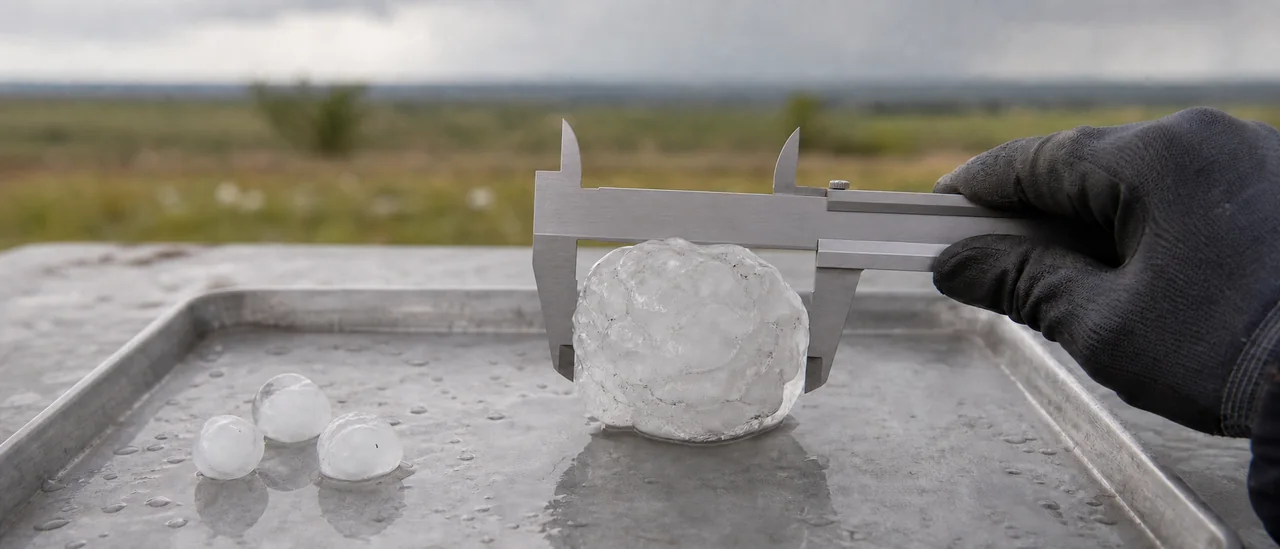
Four-inch hail means a stone measuring about 102 millimeters across. Meteorological research calls hail at least this large giant hail and describes it as relatively rare. It matters because a radar label or storm report can sound more certain than the underlying evidence supports.
A peer-reviewed study identified 527 distinct giant-hail events across the contiguous United States from 1995 through 2009. That averages about 35 events per year across the entire study area—not 35 days at any one location.
The number is useful context, not a current annual probability. The researchers grouped reports separated by distance or time, and acknowledged that some stones go unreported while others are estimated from familiar objects rather than measured.
Object names are only shorthand
The National Weather Service glossary compares four-inch hail to a grapefruit. NOAA's National Severe Storms Laboratory says object comparisons are estimates and that measurements with a ruler, calipers, or tape measure are best.
Where and when it is most likely
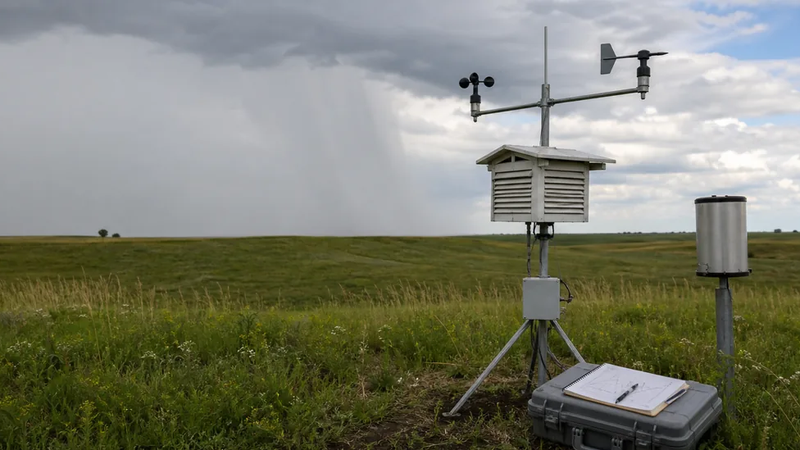
Giant hail requires an unusually favorable storm environment. In the historical study, about 99% of giant-hail-producing storms were supercells. The largest concentration occurred in the central United States, generally east of the Rocky Mountains and west of the Mississippi River.
Season and time of day also mattered. April through July accounted for 80% of the study’s events, and 54% occurred in May and June. These patterns describe the dataset; they do not rule out giant hail elsewhere or at other times.
Estimate, observation, and damage are different
Keep three kinds of evidence separate:
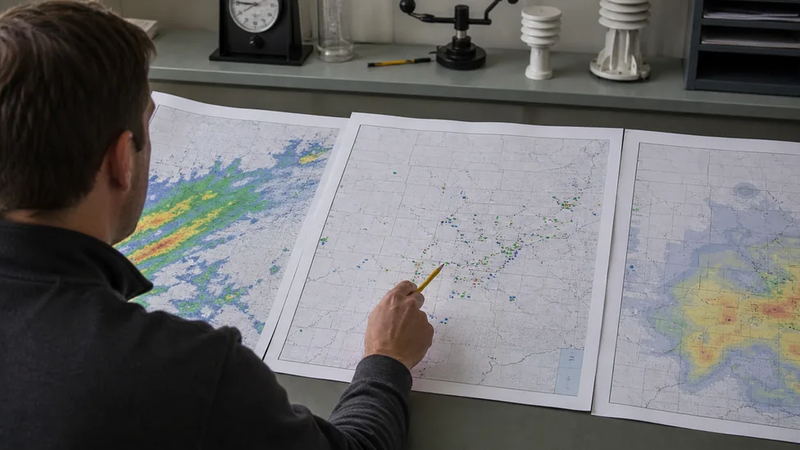
- Radar estimate: Products such as MESH calculate a maximum estimated hail size from radar data. They help meteorologists assess storms but are not measurements of stones on the ground.
- Observed hail: A reliable report confirms hail occurred, although an object comparison may be less exact than a measured stone. One report also may not capture the largest stone in the storm.
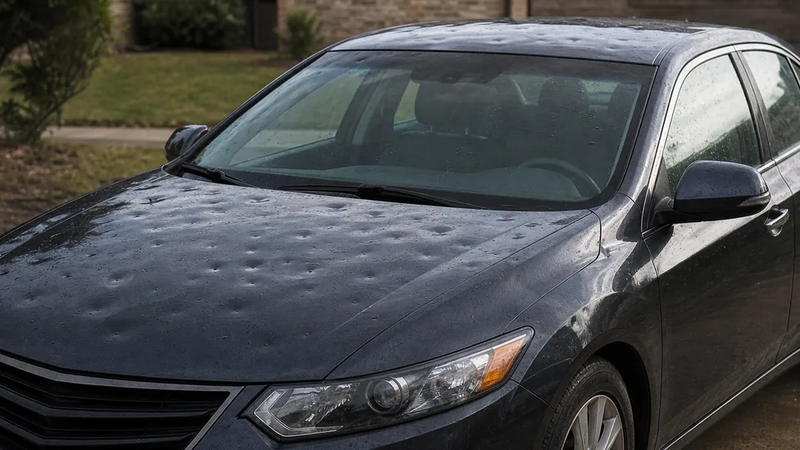
- Confirmed property damage: Damage requires separate, property-specific evidence. Neither a radar estimate nor a nearby hail report establishes that a particular property was struck or damaged.
Practical bottom line
Four-inch hail is real but sits at the extreme upper end of reported U.S. hail sizes. Historical evidence suggests only a few dozen distinct events per year across the contiguous country, concentrated in powerful supercells and especially in the central Plains during late spring and early summer. For any individual place and day, it remains an exceptional occurrence, and the confidence of any claim depends on whether the size was modeled, reported, or directly measured.