On this page
Turn on alerts, then add a backup
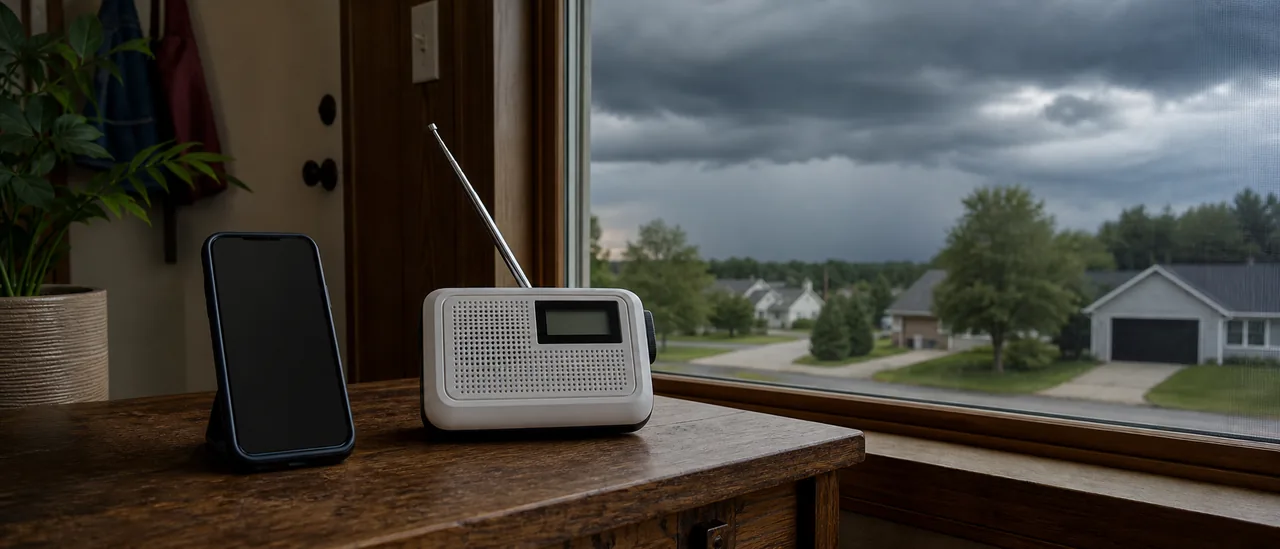
First, confirm that emergency alerts are enabled in your phone’s notification settings. Then install or enable a reputable weather or local-alert service, allow notifications, and grant location access while using alerts. Add your home and any other places you need to monitor.
Do not rely on the phone’s built-in Wireless Emergency Alerts alone. WEA requires no signup on a capable phone, but the National Weather Service automatically activates it for a severe thunderstorm warning only when the warning carries a destructive tag. That threshold includes hail at least 2.75 inches across; less extreme severe hail may not trigger WEA.
Use this short setup checklist:
- Enable emergency alerts, sound, and vibration on the phone.
- In a weather or community-alert service, select severe thunderstorm watches and warnings for your locations.
- Permit background notifications and location access needed by that service.
- Test notifications and keep the device charged.
- Add a second channel, such as local broadcast media or NOAA Weather Radio.
For an overnight or power-outage backup, choose a NOAA Weather Radio receiver with battery power, an alarm, and Specific Area Message Encoding (SAME). Program the correct county code and event types, then confirm reception and test the alarm. SAME-capable radios can limit alarms to programmed counties and hazards.
“Hail alert” is not one official product
Hail information normally arrives within a Severe Thunderstorm Watch or Warning. A watch means severe storms are possible across a broad area. A warning means severe weather has been reported or indicated by radar in a smaller area and calls for action.
Read the alert before looking at the map
Open the warning and check its expiration time, affected area, expected hail size, movement, and safety instructions. If your location is inside the warning, move into a substantial building and stay away from windows. Do not wait for hail to become visible.
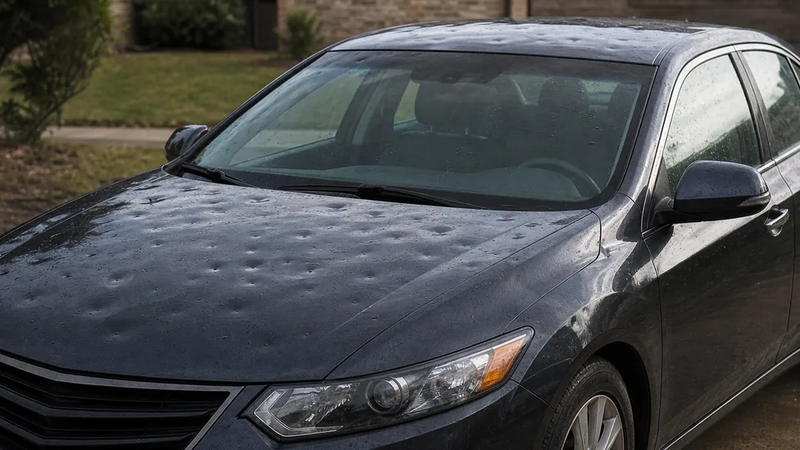
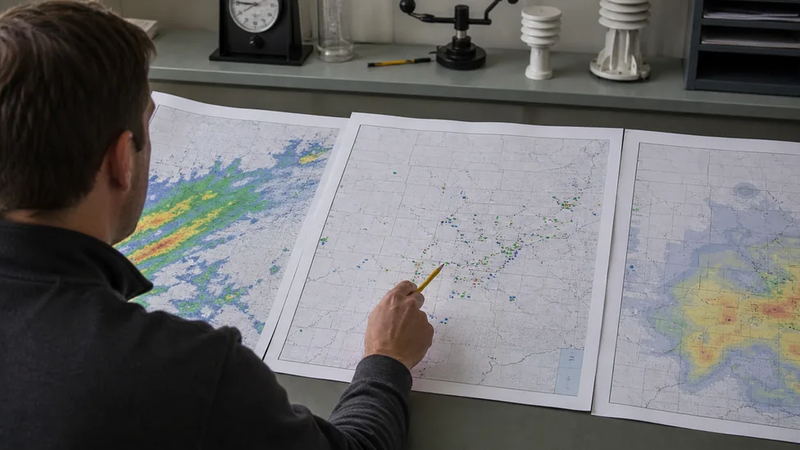
Radar, reports, and damage records answer different questions. A radar-derived product such as Maximum Estimated Hail Size (MESH) estimates hail from radar data; it does not measure a stone at your address. A trained-spotter or public report is evidence that hail was observed at a reported time and place, but conditions can vary nearby. Neither one confirms damage to a particular property.
No alert method is perfect. Phones can be silenced, lose power, or have settings changed; a weather radio depends on correct programming and reception. Keep two independent paths and review them before severe-weather season or travel.
If you cannot configure alerts, contact your device carrier, alert-service provider, or local emergency-management office. They can help identify supported settings and accessible local warning options.