On this page
Start with a safe, complete sightline
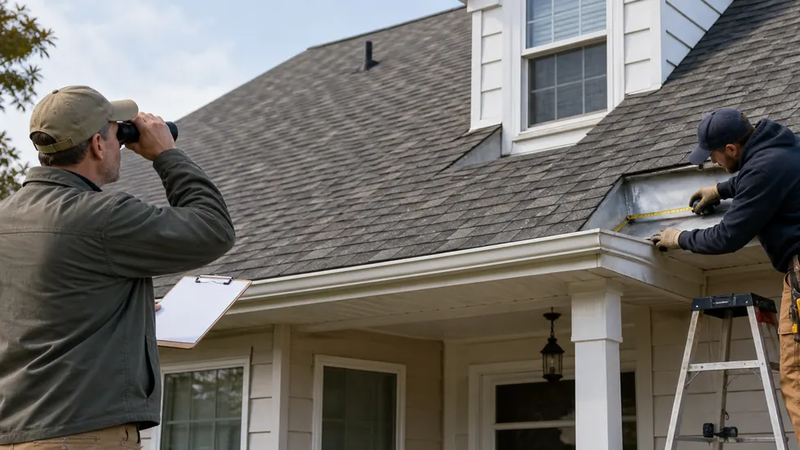
Inspectors first view the entire ridge from a safe position, then choose the closest access method that conditions allow. A ground view, binoculars, a pole camera, the eaves, or a drone can reveal broad changes without requiring anyone to walk the roof.
The inspector identifies the ridge covering: purpose-made cap shingles, cut caps, tile, metal, or caps installed over a ridge vent. On an asphalt-shingle roof, ridge caps are the flexible pieces folded over the seam where two roof faces meet.
Roof access is not automatic
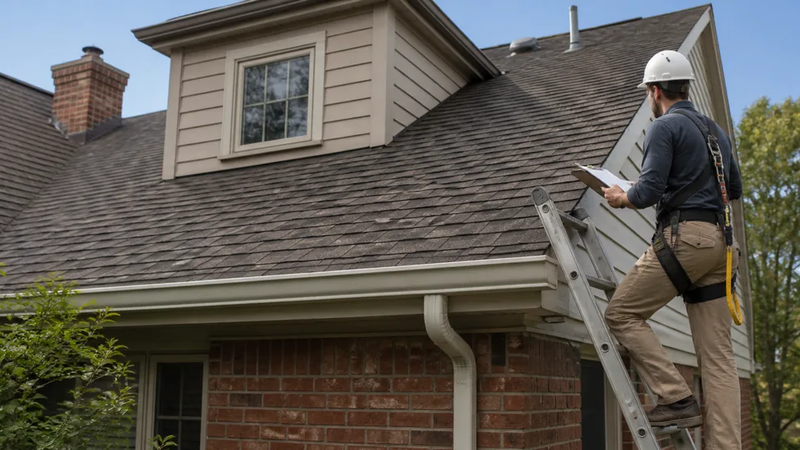
Steep slopes, height, moisture, ice, fragile materials, loose granules, or questionable decking can make roof walking unsafe or damaging. OSHA requires fall protection for covered workers in applicable roofing conditions. Washington's home-inspection rule allows an inspector to decline roof traversal when it would be unsafe or damaging and requires the report to name the alternative method.
Follow the ridge from end to end
Using a consistent direction prevents small sections from being skipped. Inspectors typically document:
- a ridge line that appears bowed, sagged, uneven, or displaced;
- missing, lifted, slipped, cracked, split, or broken cap pieces;
- inconsistent cap spacing, exposure, overlap, or centering;
- exposed, raised, backed-out, corroded, or misplaced fasteners;
- open joints and deteriorated sealant at ridge ends or transitions; and
- loose, crushed, distorted, or visibly obstructed ridge-vent sections.
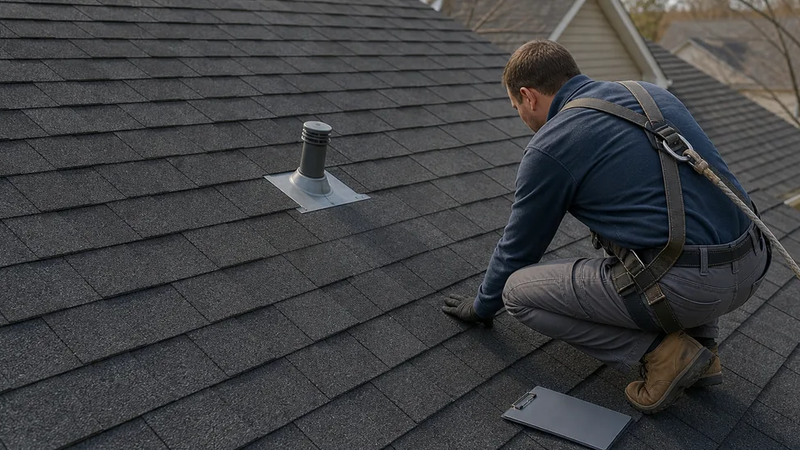
A closer view may show whether caps sit flat and overlap in a repeatable pattern. The inspector compares visible details with the instructions for the installed material when those instructions can be identified. For example, one manufacturer’s cap-shingle instructions specify centering over the ridge, two nail locations, and nails driven flush. Those details are product-specific, not universal pass/fail criteria.
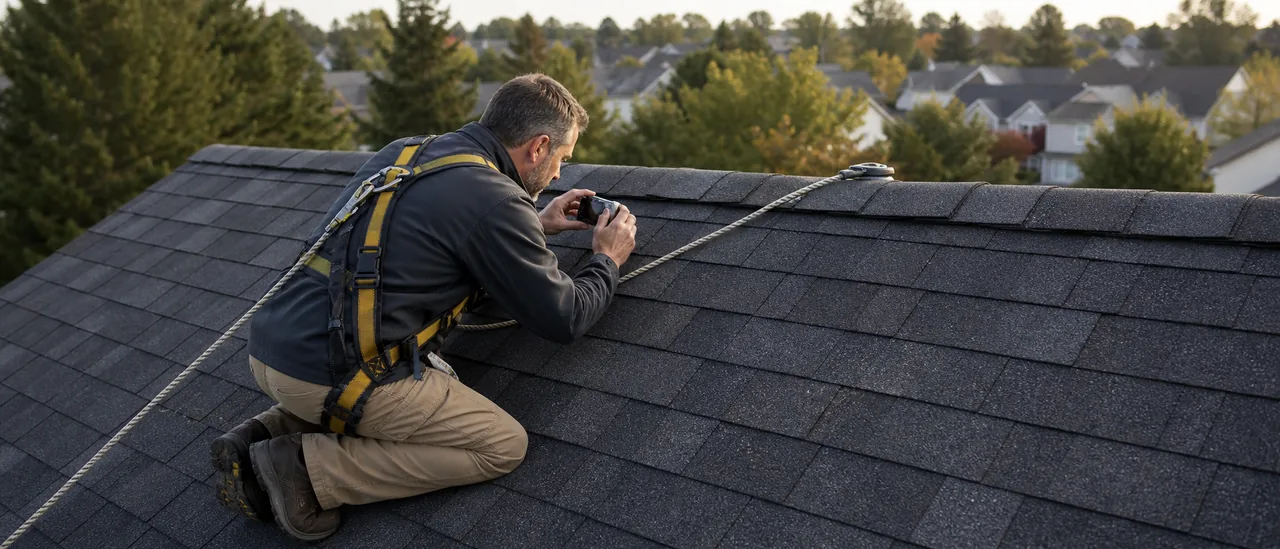
Photos should include an overall ridge view and close-ups with enough surrounding roof area to locate each condition. Notes distinguish an observation—such as a lifted cap—from an unverified cause.
Check the ridge from below when accessible
From a readily accessible attic area, the inspector looks beneath and near the ridge for water staining, damp materials, visible openings, displaced sheathing, or other evidence that helps interpret the exterior view. This visual step stops at accessible surfaces; it does not involve opening the assembly.
Exterior and attic observations are then correlated. A stain near the ridge may justify further evaluation, but its location alone does not prove the entry point or cause.
What a visual inspection cannot confirm
An intact surface view cannot confirm concealed nail length or placement, underlayment condition, deck attachment, hidden moisture, or watertightness. Visible alignment and fastening clues can identify concerns, but they do not certify the complete installation.
When a closer evaluation is warranted
Recommend evaluation by a qualified roofing professional when access limitations leave important sections unseen, caps are loose or missing, the ridge line suggests movement, a vent assembly is displaced, or interior evidence cannot be explained visually. The report should state the inspection method, observed condition, inaccessible areas, and why further work is recommended.
Related reading: How Often Should a Roof Be Inspected?