On this page
The direct answer
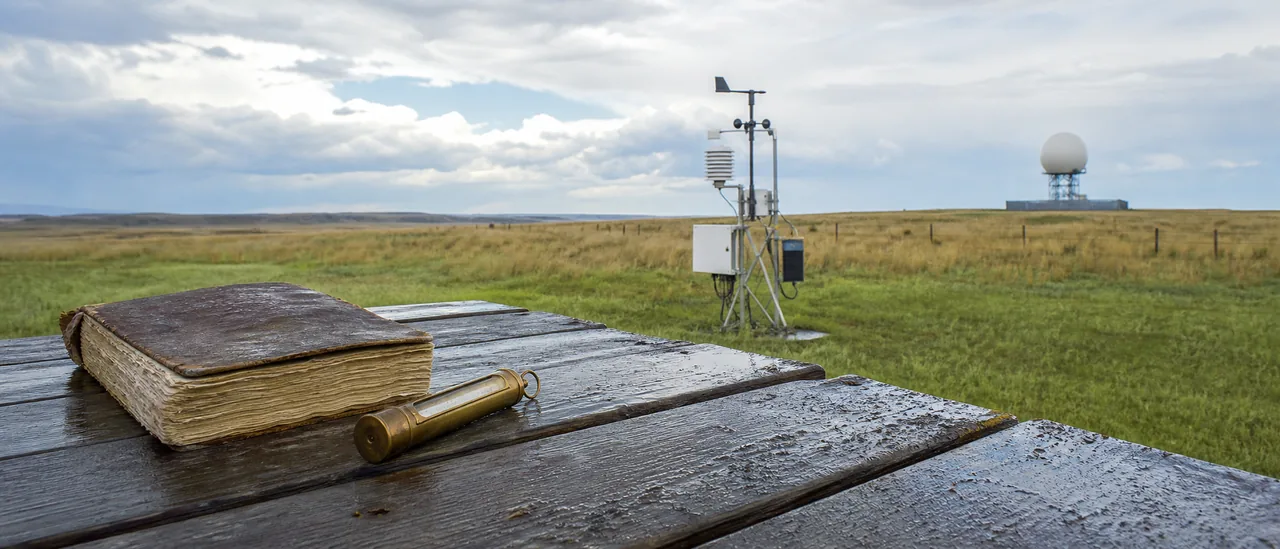
NOAA weather data can reach the 18th century, but there is no single start date for the agency's entire archive. NOAA's historical diaries collection includes records beginning in 1735. Its Global Historical Climatology Network–Monthly dataset also contains station observations dating to the 18th century.
That does not mean every place has a continuous record that old. The useful start date depends on the location, station, weather variable, time interval, and dataset. For many U.S. locations, consistent daily station observations begin in the 1800s or later; nationwide weather-radar archives are much newer.
“NOAA data” is not one timeline
NOAA's archive combines observations gathered by different stations, observer networks, agencies, and technologies. An old diary entry, a monthly temperature summary, and a radar volume are distinct records with different coverage and uses.
Why the dates differ
NOAA's National Centers for Environmental Information preserves many collections rather than one universal weather log. The Global Historical Climatology Network–Daily integrates records from more than 100,000 land stations. NOAA says individual station records range from less than one year to more than 175 years.
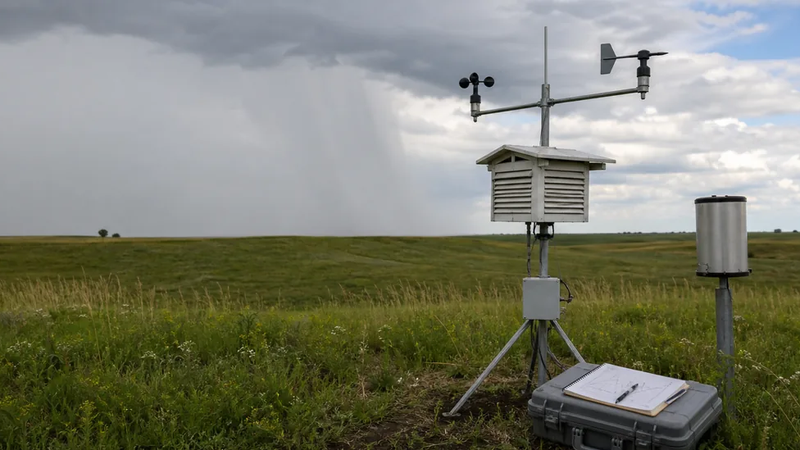
The observation type matters too. A long-running station may have precipitation but not temperature, wind, snow, or hourly readings for the same years. NOAA notes that about half of the stations in the daily network report only precipitation.
| Record type | How far back it may reach | Main limitation |
|---|---|---|
| Historical diaries and journals | 1735 | Narrative or scanned records may not provide standardized measurements |
| Monthly station summaries | 18th century | The period varies by station and some records are no longer updated |
| Daily station summaries | More than 175 years at some stations | Variable availability and continuity differ by station |
| NEXRAD Level II radar | June 5, 1991 | Early coverage and availability vary by radar site |
What to check before using a record
Start with the question you need the data to answer. Then identify the needed variable, interval, and geographic precision. Search the relevant NOAA dataset for stations covering the date, and inspect station history for moves, identifier changes, equipment changes, gaps, and quality flags.
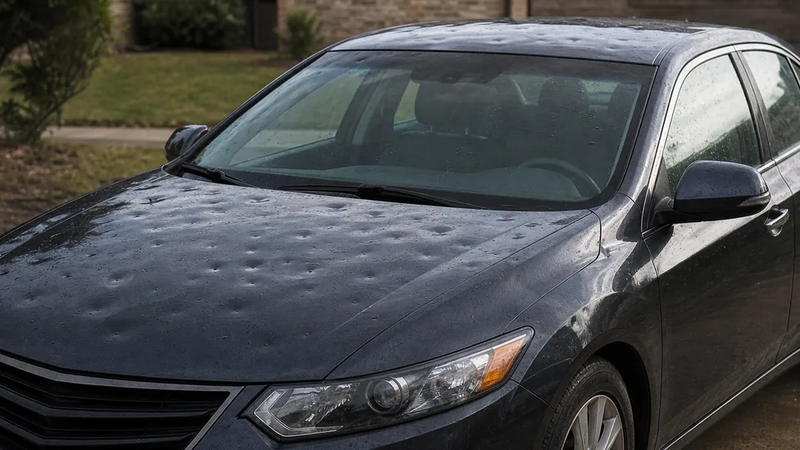
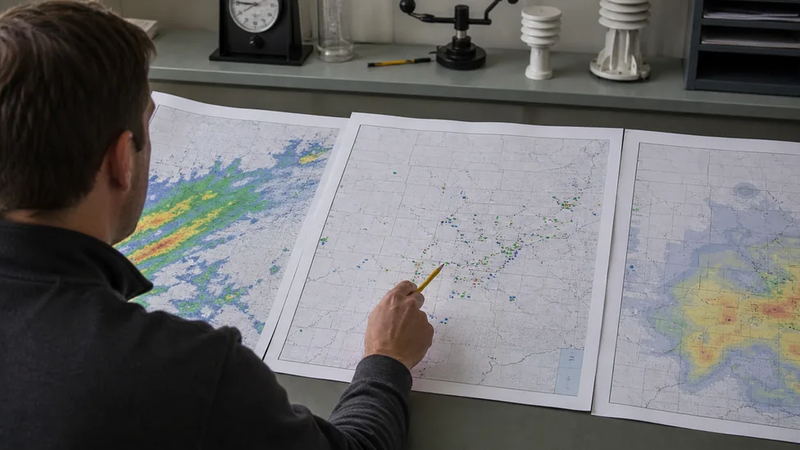
Radar deserves special caution for hail research. NEXRAD Level II archives begin in 1991, but radar shows conditions sampled above and around the ground. It does not by itself establish that hail—or damage—occurred at a particular property.
Practical bottom line
The shortest accurate answer is the 1700s for some NOAA-held weather records, the 1800s or later for many station series, and 1991 for archived NEXRAD Level II radar. For any specific address and date, the controlling answer is the period of record for the relevant nearby station or radar site—not NOAA's oldest item overall.