On this page
Damage can begin with the first leak
A roof leak can cause damage during its first wetting event, so there is no dependable grace period. The often-cited 24-to-48-hour window applies to drying wet materials to reduce mold growth. It does not mean the roof, insulation, or ceiling remains undamaged for two days.
Here, a roof leak means rain or snowmelt has passed through the roof assembly into the structure or interior. Damage can include stained finishes, saturated insulation, corrosion, mold growth, or deterioration of wood-based components.
Small, occasional drips may be stored by materials and dry without serious deterioration. Larger leaks can damage interior finishes and lead to rapid decay. That difference is why elapsed time alone cannot predict the result.
24–48 hours is a drying target, not a waiting period
EPA guidance says wet or damp areas dried within 24–48 hours will not grow mold in most cases. That is not a guarantee, and water may already have stained or altered materials.
Four variables control how quickly damage develops
The same one-hour leak can produce very different outcomes. Its effect depends on:
- Water volume and repetition. A brief drip that fully dries is different from steady flow or repeated wetting after every storm.
- Materials in the path. Insulation, drywall, ceiling tile, and other porous materials can retain water. Wood sheathing and framing may tolerate limited wetting if they can dry.
- Drying conditions. Air movement, temperature, humidity, and whether an assembly can drain or dry affect how long moisture remains.
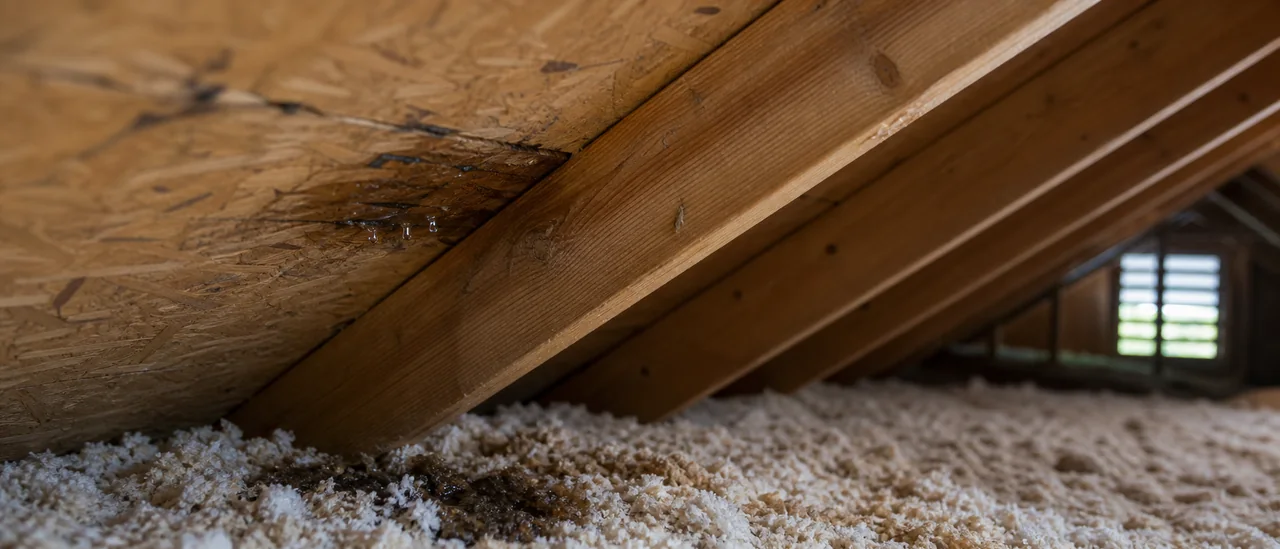
- Location and visibility. Water can travel along sheathing, rafters, or fasteners before appearing indoors. Insulation and enclosed cavities may hide the wettest area.
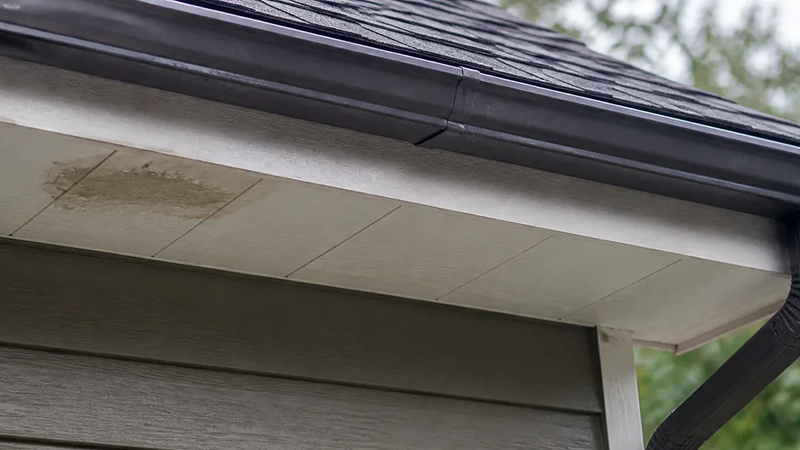
A ceiling stain therefore cannot date the leak or establish its full extent. A standard visual home inspection reports observed indications of active roof leaks, but its scope does not include concealed defects or moving insulation.
Use the first 24 hours to stop and assess
Treat an active leak as a same-day problem. Stop further water entry with a safe temporary measure, protect the area below, and begin drying accessible wet materials. Do not wait for a second stain or another storm to confirm that water is entering.
Once conditions are safe, check the path from the roof deck through the attic and ceiling rather than judging only the visible spot. Wet insulation, soft or swollen sheathing, sagging finishes, recurring dampness, musty odor, or visible mold indicates that the issue extends beyond a fresh cosmetic mark.
The practical threshold is simple: respond immediately, aim to have wet materials dry within 24–48 hours, and investigate repeated or concealed wetting. The smaller and shorter the leak—and the faster the assembly dries—the lower the chance of lasting damage. No calendar can substitute for confirming that the source is stopped and affected materials are dry.
Related reading: Why Does a Roof Leak Only During Heavy Rain?