On this page
The 2026 cost range
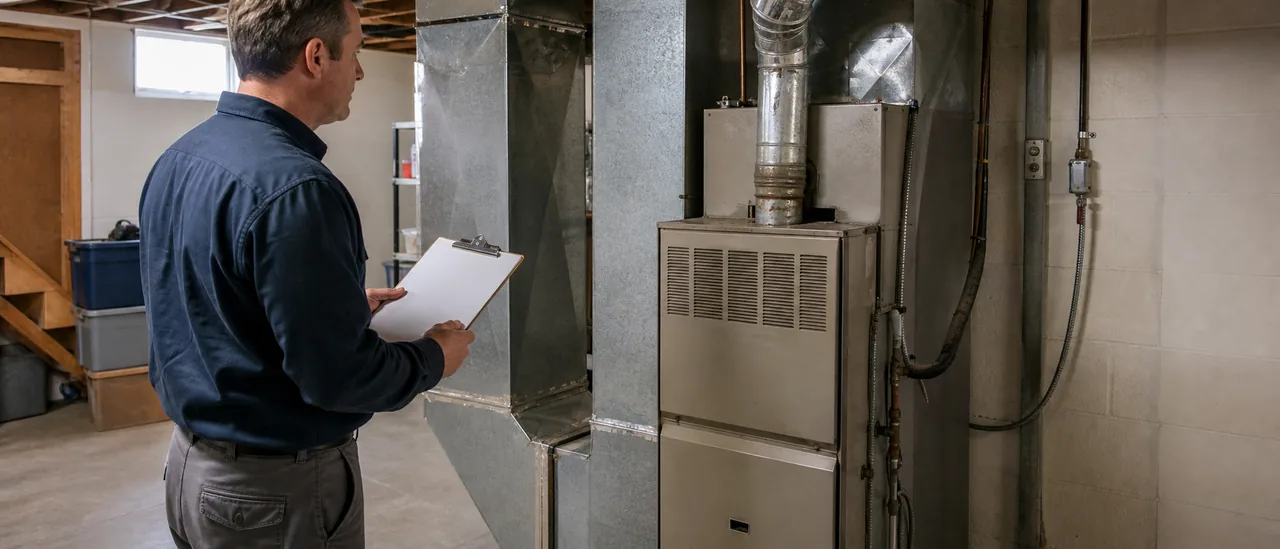
In 2026, replacing a furnace typically costs about $2,823 to $6,888 nationwide. That planning range covers the furnace and installation labor; a quote may also include removal, permits, and limited duct work. Furnace type, required heating capacity, and installation changes usually move the price most.
The figure is not a universal bid. It comes from NerdWallet’s March 2026 cost guide, which cites 2026 data from Angi. Local labor rates, permit rules, fuel type, and the existing house can push an actual estimate below or above it.
Here, furnace replacement means removing an old forced-air heating appliance and installing another furnace. It does not automatically include replacing the air conditioner, rebuilding the entire duct system, changing fuels, or converting to a heat pump. Those are larger project scopes.
What a replacement estimate should include
A useful estimate separates the furnace from the work needed to make it operate safely and correctly. Ask whether the total includes:
- equipment, delivery, labor, and disposal of the old furnace;
- permit and inspection fees required by the local authority;
- connections to existing ducts, fuel or electrical service, controls, and venting;
- startup and airflow checks appropriate to the selected furnace; and
- any new filter cabinet, thermostat, drain, vent, wiring, or duct transition.
Written, itemized estimates should specify costs, equipment, schedule, and warranty information. That detail makes exclusions easier to spot before work begins.
| Cost scenario | Conditions that commonly fit |
|---|---|
| Lower side | Accessible location, same fuel, modest capacity, and reusable ducts and venting |
| Middle | Straightforward replacement with removal, permit work, and minor connection changes |
| Higher side or beyond | Larger or higher-efficiency furnace, difficult access, or changes to ducts, venting, drains, gas, or electrical service |
Why prices vary so much
Fuel and furnace design matter. Electric, natural-gas, propane, and oil furnaces have different equipment and installation needs. Higher-efficiency condensing gas furnaces may require venting and condensate changes. The U.S. Department of Energy notes that these installation modifications generally make condensing furnaces more expensive than standard-efficiency models.
Capacity matters, but square footage alone is not enough. Climate, insulation, windows, air leakage, and the home’s heating load affect the required output. The U.S. Department of Energy warns that oversizing, poorly designed distribution, and leaky ducts can reduce performance, so the house and existing system should be evaluated before equipment is selected.
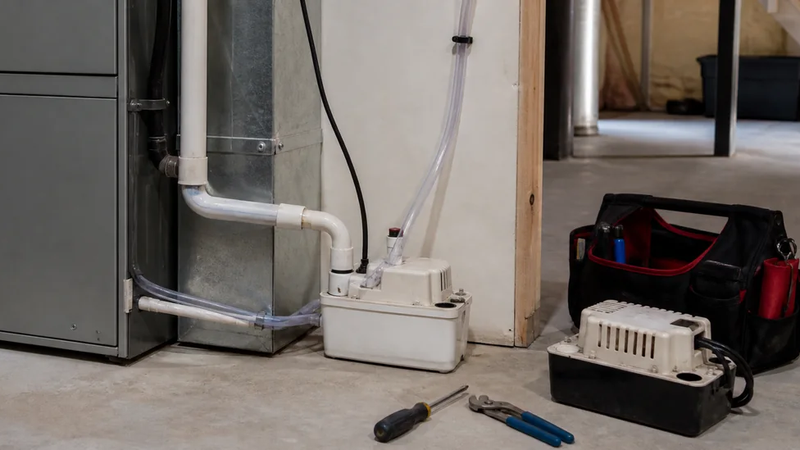
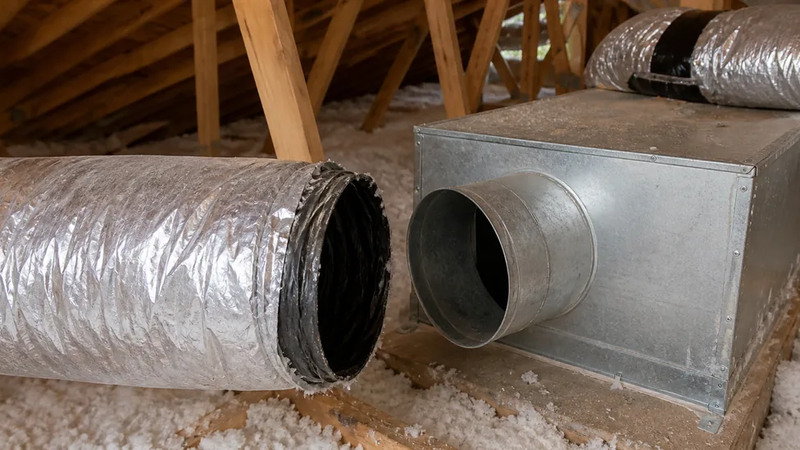
The existing system can expand the scope. Undersized or damaged ducts, an incompatible vent, tight access, an obsolete electrical connection, or a fuel conversion adds materials and labor. Regional wage levels and local permit requirements further change the installed price.
Compare scope before price
Two totals are comparable only when they cover the same capacity, efficiency, removal, permits, connection work, testing, and warranties. A low bid with major exclusions may not be the least expensive completed job.
When to obtain specialist estimates
Obtain detailed local estimates when the furnace’s fuel, capacity, efficiency class, or venting may change. A qualified HVAC professional should evaluate the heating load, existing ducts, combustion venting, electrical service, and site access before pricing those items.
For budgeting, use the national range as a starting point. For a decision, rely on written estimates that identify included work, exclusions, permit responsibility, and the assumptions behind furnace sizing.