On this page
Use a twice-yearly baseline
A landlord should arrange a roof inspection at least twice a year, preferably in spring and fall. Roofing industry guidance gives this schedule to homeowners and building managers and recommends additional inspections after severe weather.
Here, an inspection means a planned visual review of the roof system and adjoining surfaces. It is not automatically invasive testing, a repair estimate, or a guarantee that every concealed defect will be found.
Spring and fall are practical scheduling points in many climates. Separating the visits also makes gradual changes easier to recognize than a single annual snapshot. The exact months should fit local weather and safe inspection conditions.
Add inspections when conditions change
The calendar is only the baseline. Arrange an extra check after a hailstorm, tornado, hurricane, or other severe event that could have affected the property. A reported leak or new interior moisture should prompt investigation rather than waiting for the next scheduled visit.
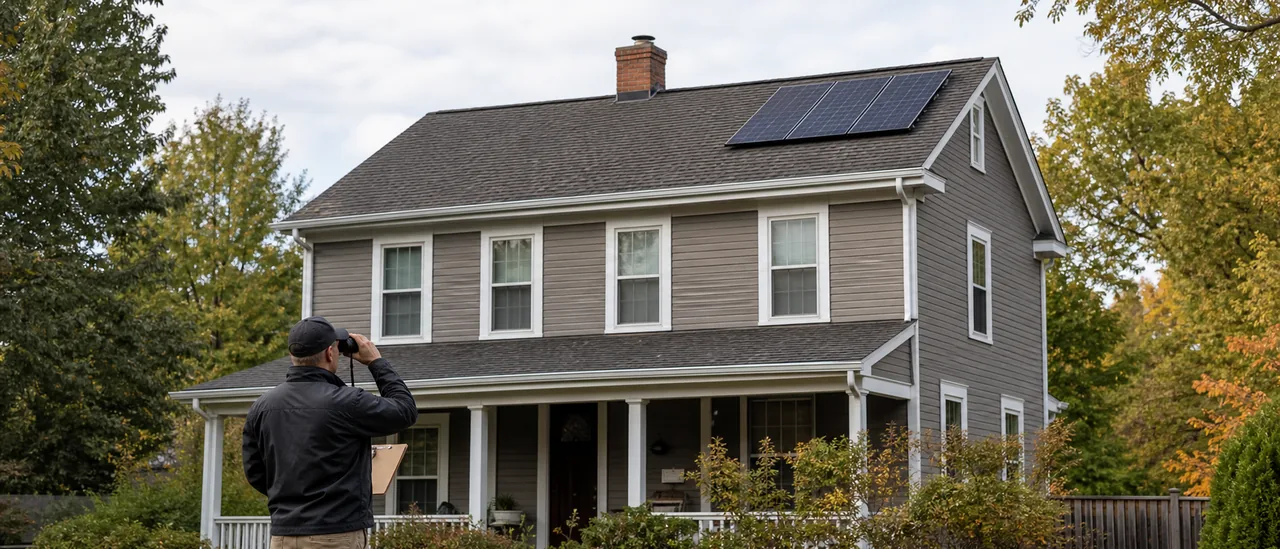
An additional review also makes sense after technicians install or service rooftop equipment, including solar panels, antennas, vents, or mechanical units. Record who accessed the roof and what area they worked in so the next review has useful context.
Frequency is not the same as legal compliance
Twice yearly is practical maintenance guidance, not a universal landlord law. Local housing rules, a lease, a roof warranty, or a documented problem may require faster action or a different schedule.
Know what the inspection should cover
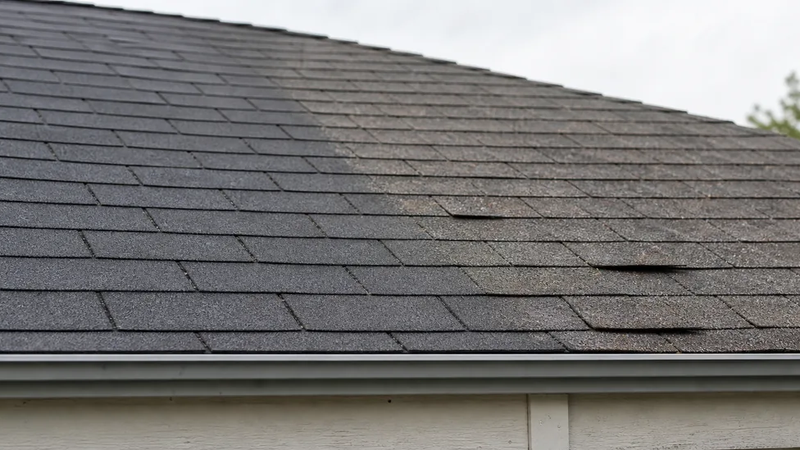
A useful maintenance inspection looks beyond the broad roof surface. Check for curling, splitting, dislodged, or missing shingles; broken or missing components on other coverings; debris in valleys, gutters, or drains; and visible changes at adjoining chimneys or sidewalls. These observations can identify areas needing maintenance or a closer technical evaluation.
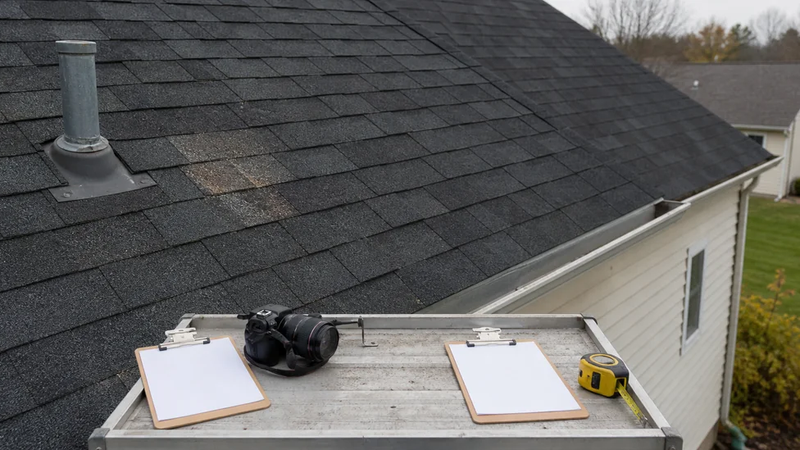
Keep a dated record with photographs, access limitations, observed changes, and recommended follow-up. Consistent records help distinguish a new condition from one already being monitored.
Avoid treating every inspection as a do-it-yourself roof walk. Industry guidance notes that steep-slope roofs can often be reviewed from the ground or at the ladder edge and discourages inexperienced property-management personnel from walking on roofs. Use a qualified reviewer whenever the inspection requires roof access or specialized evaluation.
Practical bottom line
Put two recurring inspections on the property calendar, roughly six months apart. Add event-driven checks after severe weather, a leak report, or rooftop work. Adjust that schedule when the roof’s condition, governing documents, or applicable local requirements call for closer attention.