On this page
No—do not assume 40 mph gusts are safe
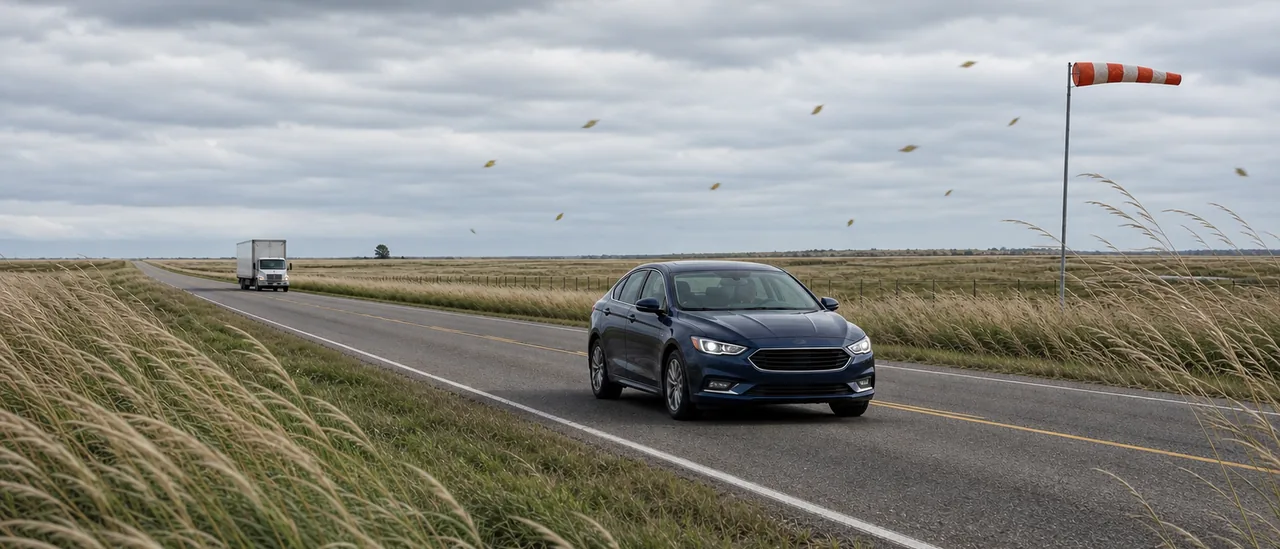
No—40 mph wind gusts are not reliably safe for every driver or vehicle. The greatest concern is a sudden crosswind acting on a high-profile, lightweight, or trailer-towing vehicle.
A lower-profile passenger car may remain controllable on a dry, familiar road. That does not make 40 mph a universal safety cutoff. Traffic speed, wind direction, gust frequency, visibility, debris, and road exposure all change the risk.
What a 40 mph gust actually means
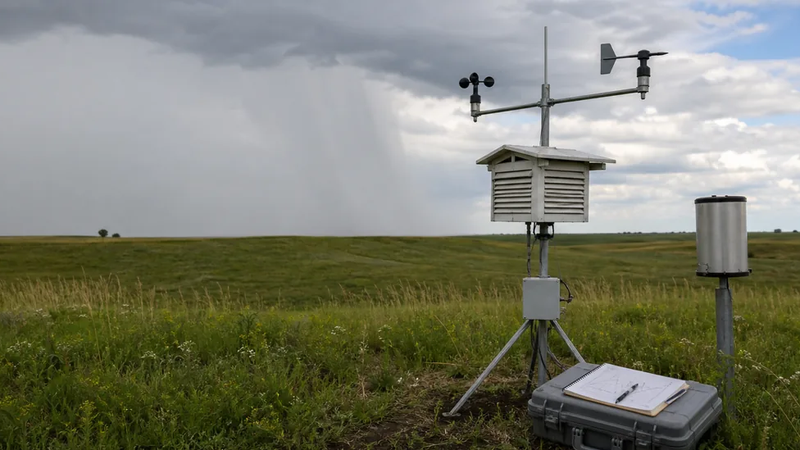
A gust is a short-lived peak, not the same as a sustained 40 mph wind. The National Weather Service defines a wind gust as a rapid fluctuation of at least 10 knots between peaks and lulls; the reported gust is the maximum instantaneous wind speed.
That distinction matters behind tree lines, buildings, hills, and large trucks. Steering may feel normal in shelter, then change abruptly when the vehicle enters an open stretch or the wind reaches it from the side.
There is no single nationwide advisory line at exactly 40 mph. For example, the NWS Charleston office lists 40–57 mph gusts in its Wind Advisory criteria, while the Wilmington office lists 46–57 mph. A 40 mph forecast therefore needs local context, not a threshold-only decision.
Conditions that make driving riskier
Risk rises when the vehicle presents more side area or has less stabilizing weight. Trucks, vans, SUVs, buses, RVs, motorcycles, empty trailers, and vehicles towing trailers deserve extra caution.
The roadway matters too. Bridges, overpasses, ridge tops, open fields, and gaps between windbreaks can expose a vehicle to stronger or more sudden crosswinds. Blowing dust, rain, snow, branches, or other debris adds a separate visibility or collision hazard.
Delay the trip when control is uncertain
Do not proceed in a high-profile or trailer-towing vehicle when local officials restrict travel, or when gusts already push the vehicle within its lane. If conditions worsen while driving, reduce speed smoothly and leave the roadway at a safe location away from trees and power lines.
If you must drive
The National Weather Service advises drivers in high winds to slow down, keep both hands on the wheel, watch for blowing objects, and leave extra space beside other vehicles. Avoid abrupt steering or braking, and anticipate a push when passing a large vehicle or emerging from shelter.
Check the latest local NWS forecast, Wind Advisory or High Wind Warning, and transportation-agency restrictions before leaving. If an official warning recommends delaying travel—or your vehicle cannot hold a steady path safely—postpone the trip until winds subside.