On this page
The direct answer
No—not from an inspection alone. Roof rejuvenation is worth considering only if the asphalt shingles remain serviceable, needed repairs come first, and the shingle manufacturer confirms the exact treatment is compatible.
Here, “roof rejuvenation” means a liquid coating, resaturant, or similar material applied over installed asphalt shingles. An inspection can screen the roof’s present condition. It cannot establish that a treatment will add a particular number of years or deliver its advertised benefit.
Why an inspection is only the starting point
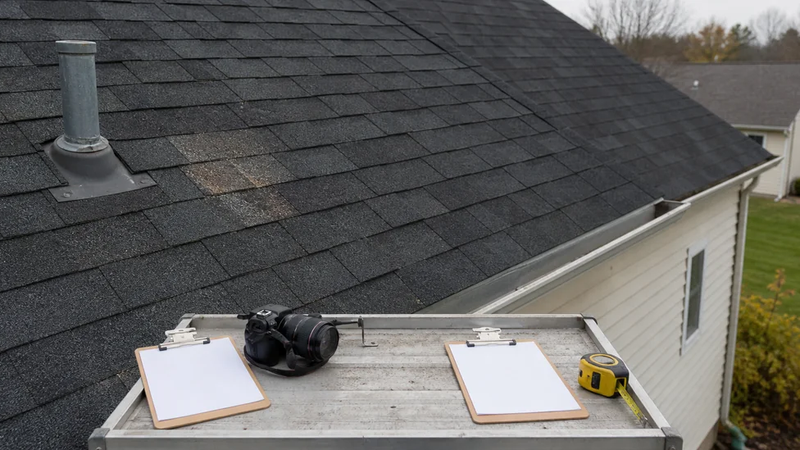
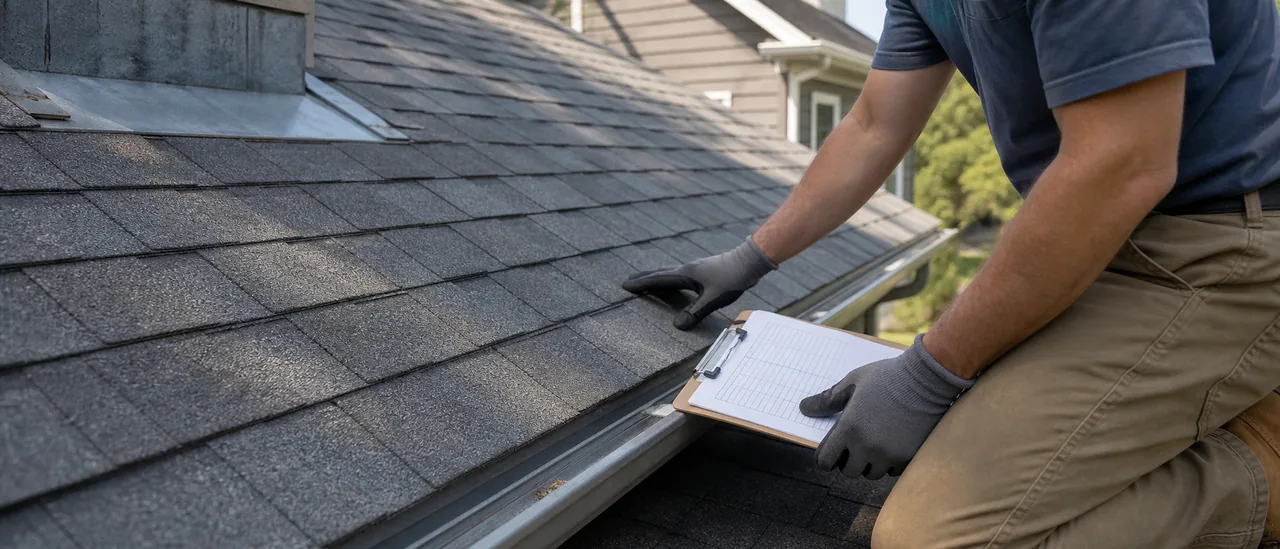
A standard home inspection covers readily accessible, visually observable components. For the roof, that includes the roofing material, drainage, flashing, skylights, chimneys, and penetrations. The report should also identify areas that were not inspected and explain why.
That scope has firm limits. The inspection is not technically exhaustive and does not have to determine concealed conditions, remaining service life, future performance, or code compliance. Therefore, a report showing no visible major deficiency is not proof that the roof is suitable for rejuvenation.
What a favorable inspection actually means
It means the accessible roof did not show a condition that immediately rules out further consideration. It does not verify chemical compatibility, hidden moisture, future leak resistance, or added service life.
Conditions that change the answer
Industry technical guidance advises checking with the shingle manufacturer before applying a coating, resaturant, or rejuvenator. An incompatible material may impair the roof’s performance. Guidance on field-applied coatings also notes limited documentation for claimed benefits such as longer roof life or leak remediation.
Before treating the inspection as a green light, confirm all four points:
- The report identifies asphalt shingles and documents how the roof was inspected.
- Significant deficiencies and required repairs have been resolved rather than covered over.
- The original shingle manufacturer permits the exact type of application.
- The local building or zoning department allows the proposed treatment.
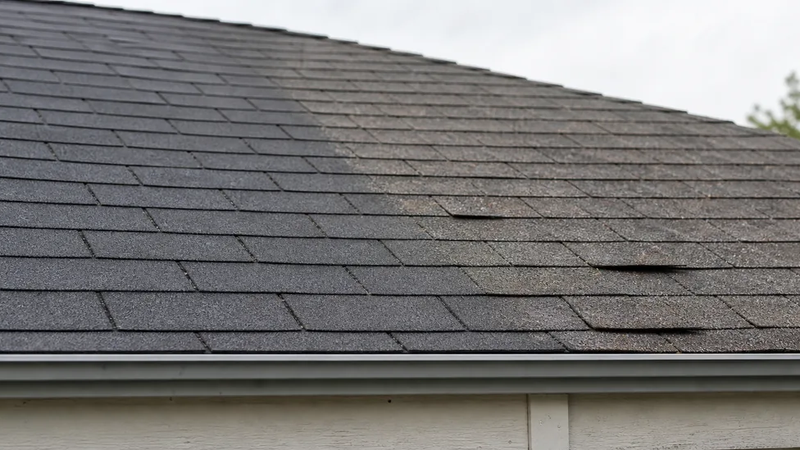
If the roof has unresolved leakage, significant deterioration, or inaccessible areas that matter to the decision, rejuvenation is not yet a supported choice. Corrective work or a more focused roof evaluation should come first.
Practical bottom line
An inspection can help rule rejuvenation out, but it cannot prove rejuvenation is worthwhile. Consider it only for a presently serviceable asphalt-shingle roof after compatibility, repairs, and local requirements are independently checked. Otherwise, directing money toward necessary repair or replacement is the clearer decision.