On this page
Do not buy until the suspicion is resolved
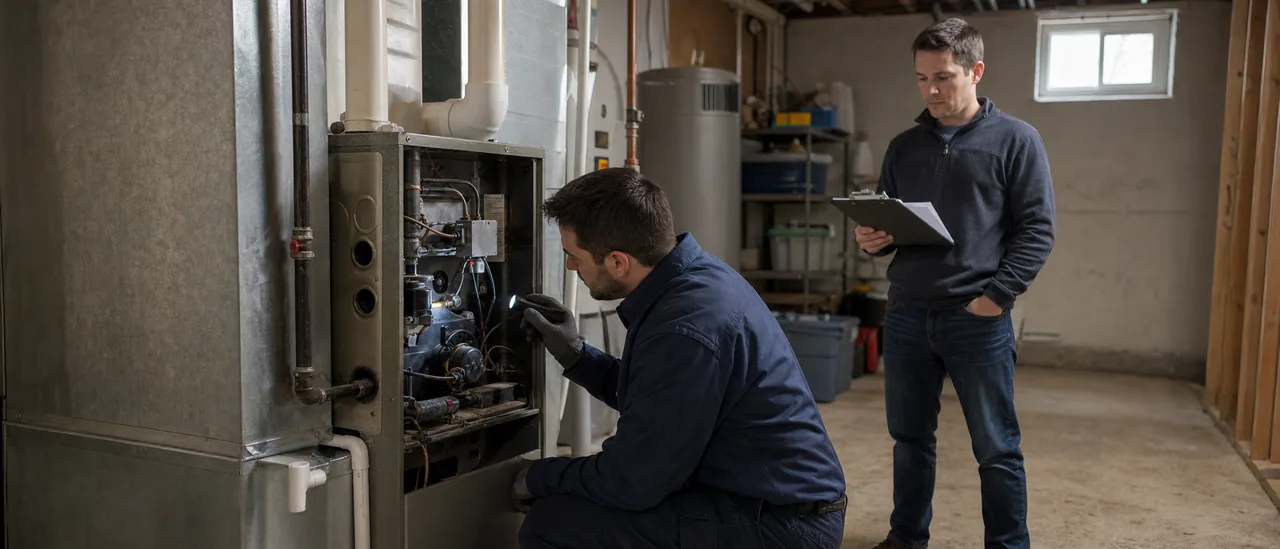
Do not proceed unconditionally while a cracked heat exchanger is merely suspected. Proceed only if a qualified heating-system specialist documents what was examined and the transaction clearly assigns any required repair, replacement, cost, and deadline. The answer changes if that evaluation rules out a crack or defines a remedy you can safely and financially accept.
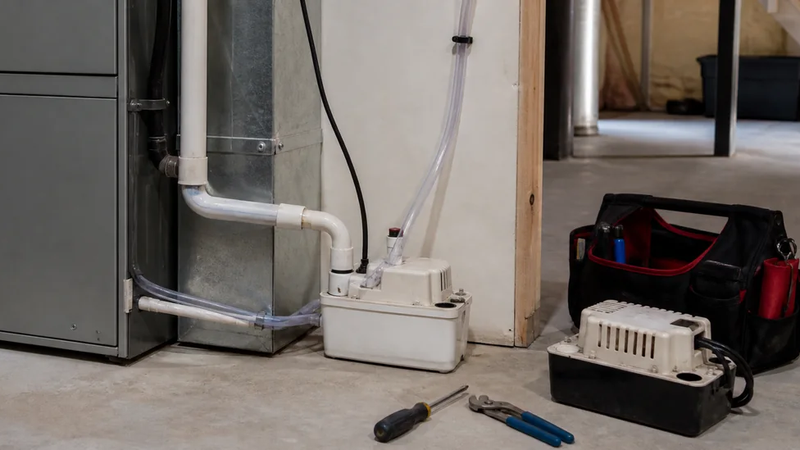
In a fuel-burning forced-air furnace, flames heat the exchanger and a blower circulates air through it. “Suspected crack” may describe an inspector’s warning sign, an inaccessible area, or a preliminary observation. It is not the same as a confirmed location and extent of failure.
Treat the unresolved condition as a safety issue
The EPA identifies cracked furnace heat exchangers as a source of combustion gases and particles. Do not treat normal furnace operation or a verbal assurance as clearance; follow the written safety direction from the qualified specialist evaluating the system.
What supports moving forward
A purchase may still be reasonable when the uncertainty has been converted into documented facts and enforceable transaction terms. Stronger support includes:
- a specialist’s written finding that identifies the furnace, methods used, accessible areas, and limitations;
- a clear conclusion about whether a crack exists and whether the system should operate;
- a written scope for correction, including related venting or combustion issues found during evaluation;
- contract language assigning responsibility, access, deadlines, permits, receipts, and reinspection; and
- written confirmation from the lender that the proposed resolution satisfies loan conditions.
This is a transaction decision, not just an equipment decision. A buyer might accept a documented replacement before closing, negotiate another contractually permitted resolution, or decline the property. The correct choice depends on the specialist’s findings, the purchase agreement, available funds, timing, and financing.
What changes the answer
A general home inspection may not settle the question. InterNACHI’s standard requires inspection of the heating system using normal controls, but it does not require evaluation of a heat exchanger’s interior. The standard also describes home inspection as non-invasive and visual. A referral for further evaluation can therefore be an appropriate limitation, not proof that a crack exists.
Pause or reconsider when the seller will not allow timely specialist access, the evidence is only an oral statement, the proposed repair is vague, or the specialist cannot evaluate important areas. The same applies when the remedy would occur after your inspection-contingency deadline or conflicts with lender requirements.
Avoid assuming that a credit alone solves the issue. It may leave you responsible for scheduling, cost overruns, permits, loss of heat, and any lender condition after ownership transfers. Likewise, a seller-completed repair is only as useful as its written scope, supporting invoice, and opportunity for verification.
Documents to resolve before closing
The Consumer Financial Protection Bureau notes that repair negotiations depend on the purchase contract. It also explains that some loan programs may require repairs before closing or money reserved for work afterward. Those possibilities are not universal rules for every loan.
Before deciding, collect the original home-inspection report, seller disclosures, furnace service history, specialist report, proposed scope, invoices or permits for completed work, and any warranty that legally transfers. Compare them with the inspection contingency, repair amendment, financing conditions, and closing deadline.
Have the qualified heating-system specialist review the final furnace condition, then have the lender and the real-estate attorney or other transaction professional required in your jurisdiction review the written remedy before you waive contingencies or close.