On this page
Buy only after the problem is defined
Do not buy a house with an unresolved furnace-venting problem. Proceed only if a qualified heating specialist identifies the defect, defines a compliant repair, and confirms the completed work in writing. The answer can change when the report describes a minor, accessible connector defect with a clear repair rather than a blocked, disconnected, leaking, or concealed vent system.
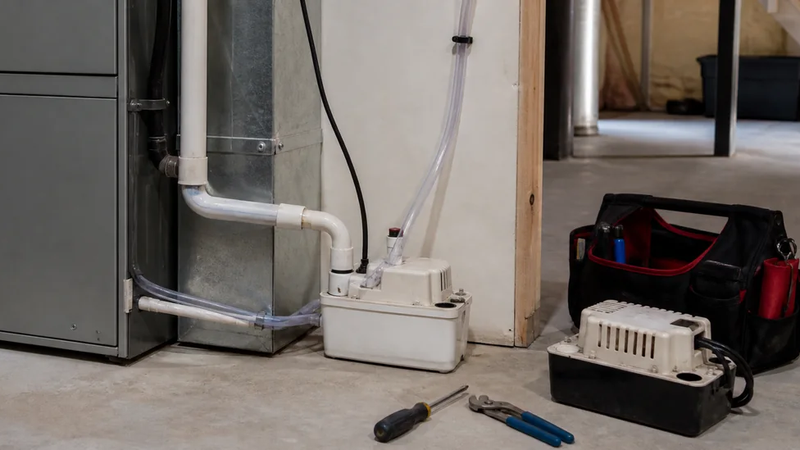
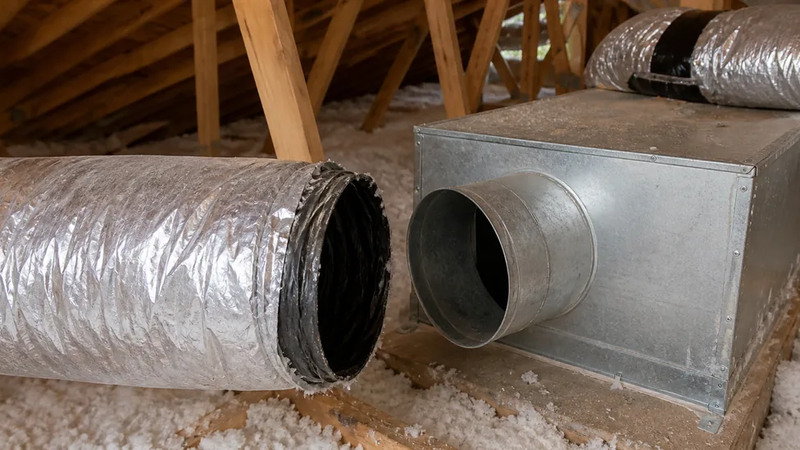
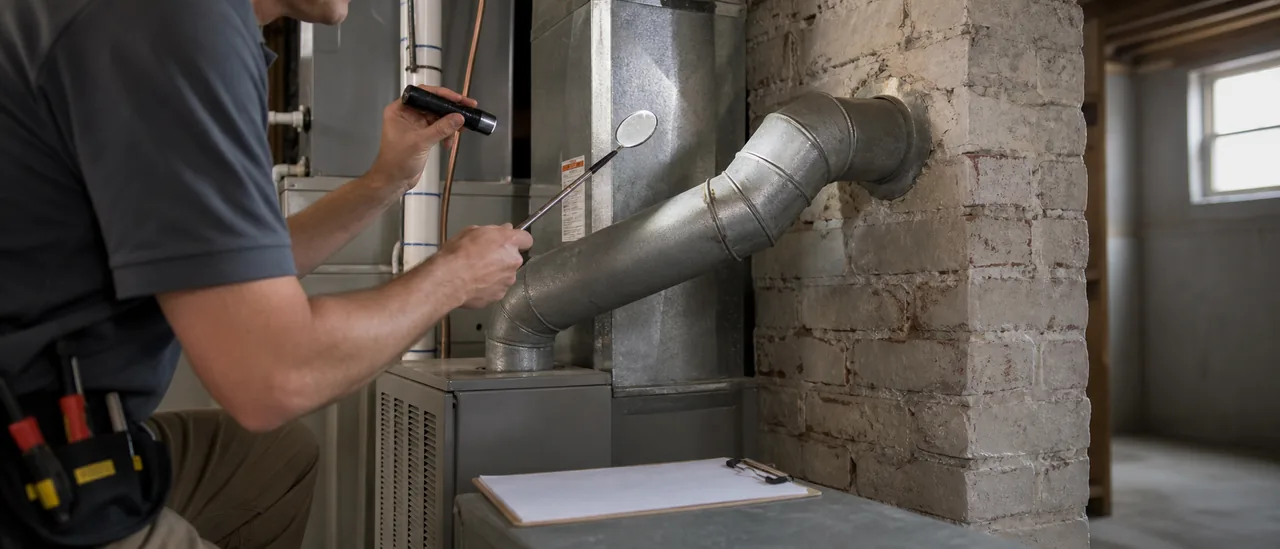
Here, “furnace venting” means the path that carries combustion gases from a fuel-burning furnace outdoors, including accessible connectors, flues, chimneys, or listed vent components. It does not mean the supply and return ducts that distribute heated air. An electric furnace has no combustion exhaust, so a report using this phrase should first clarify which system is actually defective.
Treat an active venting defect as a safety issue
Do not operate a fuel-burning furnace when an inspector or technician says its vent is unsafe. The EPA identifies improperly sized, blocked, disconnected, or leaking flues among conditions associated with carbon monoxide, an odorless, colorless, toxic gas.
What supports moving forward
A purchase may remain reasonable when the buyer can verify all of the following:
- The exact location and cause are documented, not merely described as “improper venting.”
- A qualified specialist has inspected the furnace, vent connection, termination, and other accessible related components.
- The written scope addresses permits or local inspection when required.
- Repair responsibility, completion deadline, access, and reinspection are clear in the transaction documents.
- The repair cost and any remaining uncertainty fit the buyer’s budget and risk tolerance.
The most useful estimate describes the required work and assumptions. A low number based only on a visible loose joint has little value if the chimney interior, concealed route, combustion air, or compatibility with the furnace has not been evaluated.
| Finding | Practical decision |
|---|---|
| Defined, accessible defect; approved scope; completed repair verified | Continuing may be reasonable |
| Cause or full route remains unknown | Extend investigation before deciding |
| Unsafe operation, multiple defects, or major reconstruction | Require a complete specialist plan and transaction solution |
| Seller will not permit evaluation or document repair | Be prepared to decline the purchase |
What changes the answer
A standard home inspection is an important starting point, but its scope has limits. The ASHI Standard of Practice calls for inspection of heating equipment and vent systems, flues, and chimneys, while excluding interiors that are not readily accessible. It also does not require an inspector to determine combustion-air adequacy. A specialist evaluation is therefore appropriate when the decision depends on concealed conditions, draft performance, equipment compatibility, or a repair design.
The transaction terms matter as much as the physical defect. According to the Consumer Financial Protection Bureau, the ability to negotiate or cancel depends on the purchase contract and local market conditions; a satisfactory-inspection contingency can provide a cancellation right. Do not assume that a seller credit solves the issue, that an appraisal replaces an inspection, or that every loan program will accept the same repair arrangement.
Ask the lender promptly whether the appraisal or loan requires repair, reinspection, certification, or an escrow arrangement before closing. Requirements vary with the loan, appraisal findings, property, and lender. Separately, have a local real-estate attorney or other qualified transaction professional interpret deadlines, notices, remedies, and amendment language; general guidance cannot establish rights under a particular contract.
Documents required before the decision
Collect the home-inspection report, specialist diagnosis, photographs, itemized repair scope, permit record when applicable, paid invoice, and written post-repair verification. Also obtain the furnace model information and available installation or service history so the specialist can assess the installed system rather than an isolated pipe.
Before releasing an inspection contingency or accepting a repair amendment, have the completed venting work reinspected by a qualified heating specialist, confirm any lender conditions in writing, and obtain transaction-specific legal review when the contract language or remedy is uncertain.