On this page
The finding usually identifies a system defect or limitation
Hydronic heating issues on a home inspection usually mean the inspector observed a problem with a hot-water heating system, or could not verify normal operation. These systems heat water and move it through pipes to baseboards, radiators, radiant-floor loops, or an air-handling coil.
The wording is a category, not a diagnosis. A note may describe something minor and serviceable, such as a noisy zone, or a significant concern such as active leakage, unsafe venting, or a boiler that did not operate.
What the reported condition may indicate
The report’s exact observation matters more than the general label. Commonly reported signs can point in several directions:
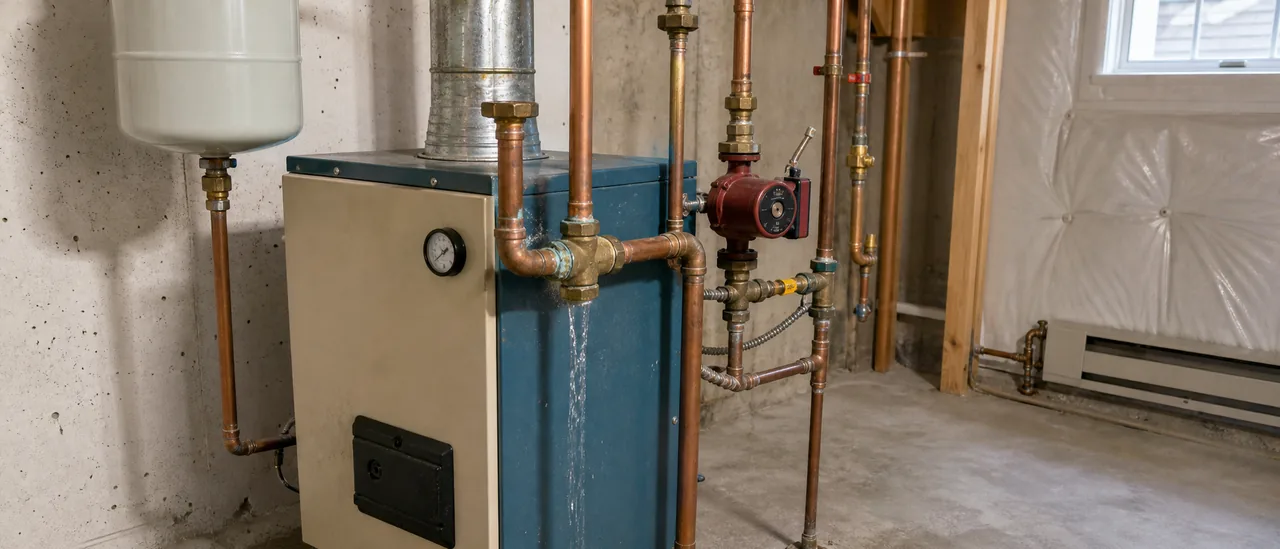
- Water or mineral deposits may indicate leakage at a valve, fitting, pump, boiler, or heat emitter.
- Rust or corrosion shows deterioration, but its extent and cause may require closer evaluation.
- One cool zone or radiator may reflect a control, valve, circulator, air, or flow problem.
- Abnormal pressure or temperature readings may justify checking controls, the expansion tank, and system fill.
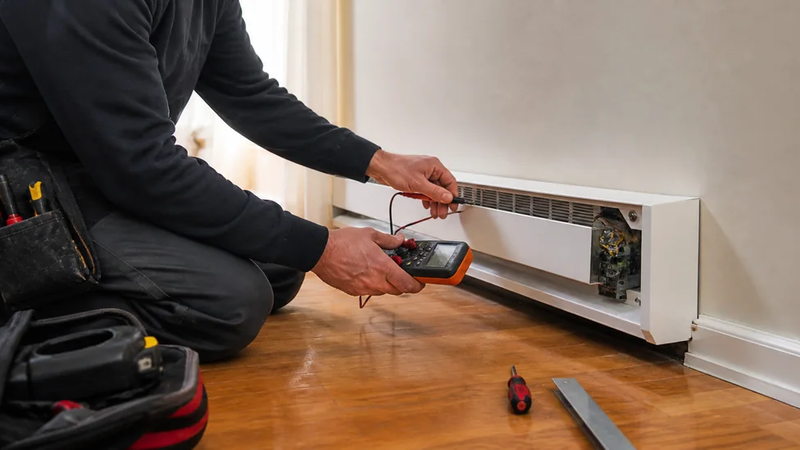
- A system that does not start may involve a thermostat, electrical supply, safety control, fuel supply, or the heating equipment itself.
Air in a closed hot-water loop can reduce heat transfer, interfere with circulation, create noise, and contribute to balancing problems. Still, noise alone does not prove trapped air; piping movement and mechanical components can sound similar.
Treat combustion and active-leak findings promptly
A reported venting concern, combustion-gas indication, fuel leak, active water discharge, or unsafe electrical condition deserves prompt qualified evaluation. Do not operate equipment the inspector identified as unsafe.
What a home inspection can confirm
Under the American Society of Home Inspectors standard, an inspector examines readily accessible, visually observable installed components. For heating, that includes installed equipment, venting, and distribution components. The inspector is not required to determine heat-supply adequacy or distribution balance, inspect an inaccessible flue interior, or evaluate a heat exchanger.
Accordingly, an inspection can document visible leakage, corrosion, damaged piping, accessible vent defects, response to normal controls, and uneven output noticed during the visit. It usually cannot establish a concealed pipe’s condition, calculate system capacity, prove why a zone underperforms, or predict remaining service life.
Season, shutoffs, unsafe conditions, or seller instructions may also prevent operation. In that case, “not tested” is a limitation—not evidence that the system has failed.
Urgency and the practical next step
Read the finding for three details: what was observed, whether the system operated, and whether the inspector flagged a safety or active-damage concern. Cosmetic surface rust or an isolated noise may allow routine follow-up. Active leakage, unsafe venting, repeated pressure loss, or lack of heat raises the priority.
When the cause or repair scope remains uncertain, a qualified hydronic-heating specialist should evaluate the affected equipment and zones. That evaluation can test controls and circulation, locate leakage, and distinguish an adjustment from repair or replacement.