On this page
What the finding usually means
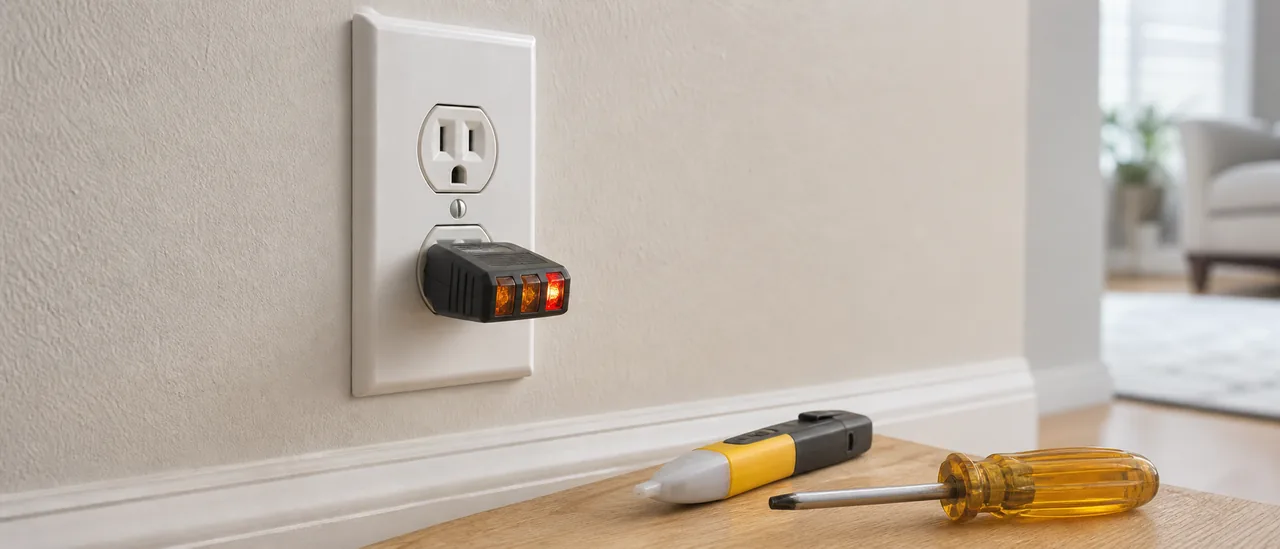
“Reverse polarity” usually means a tested receptacle has its hot and neutral connections reversed. Instead of the hot conductor feeding the narrow slot and the neutral conductor serving the wide slot, those roles are swapped. A lamp or appliance may still operate, so normal operation does not prove the outlet is wired correctly.
This is a real electrical defect, not merely an untidy installation. Polarized plugs and devices are designed so switches and certain internal parts remain on the hot side. With reversed polarity, parts intended to be near neutral potential can remain energized. A screw-shell lamp is a clear example: the threaded shell can be energized even when the lamp is switched off.
Treat the outlet as needing correction
Do not remove the receptacle cover or rearrange conductors unless you are qualified to work safely on energized residential wiring. Until evaluated, avoid using the reported outlet—especially for lamps or appliances with exposed metal parts during servicing.
What can cause the reading
The common cause is a receptacle connected backward, with the branch-circuit hot and neutral conductors on the wrong terminals. The mistake may also be upstream at another receptacle or splice that feeds the tested location.
The report wording is still an indication, not a complete diagnosis. A plug-in three-light tester evaluates a limited set of conductor relationships. Unusual miswiring or a defective receptacle can produce a misleading pattern, and a visual look at the outlet face cannot confirm conductor placement.
How the condition is confirmed
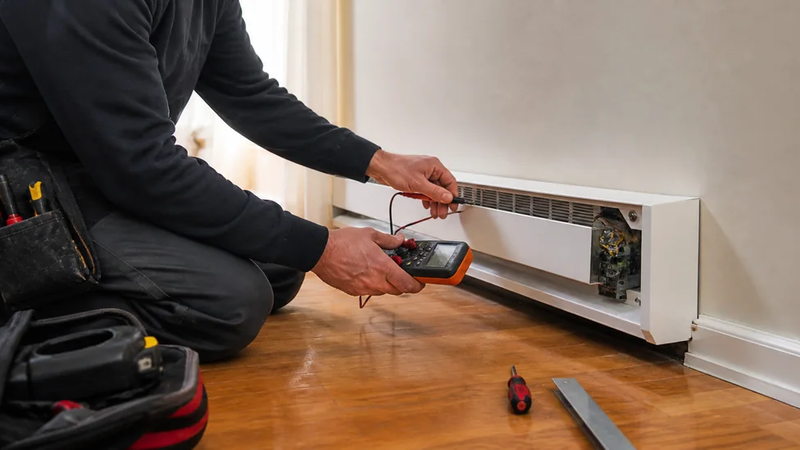
A qualified electrician can de-energize the circuit, verify it is safe to open, and inspect the receptacle terminals and upstream connections. Appropriate electrical testing can then distinguish a simple reversed connection from another wiring fault. The correction depends on where the conductors were crossed; replacing the visible receptacle alone may not solve an upstream problem.
A home inspection is broader and less invasive. InterNACHI’s standard calls for testing a representative number of receptacles and reporting tested receptacles with incorrect polarity. ASHI’s standard likewise covers a representative number and says an inspection is not technically exhaustive or required to identify concealed conditions. Therefore, one reported outlet does not establish that every outlet was tested or that only one is affected.
How urgent is it?
Reverse polarity usually does not mean an active fire or imminent system failure. It does mean a safety feature is defeated, and the outlet should not be treated as acceptable simply because devices work. Arrange qualified evaluation and correction promptly, preferably before regular use or before the inspection contingency is resolved.