On this page
The direct answer
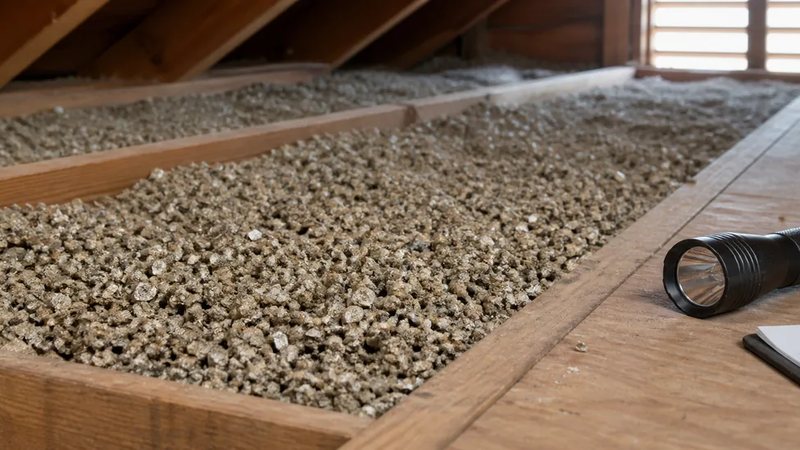
Rodent droppings indicate current or previous rodent activity in that area. Size and shape may suggest a type of rodent, but droppings alone do not establish the number of animals, age of the material, or whether every entry point is still active.
The location and surrounding evidence matter. Droppings near food, shredded nesting material, rub marks, gnawing, odors, tracks, or fresh disturbance make active use more plausible. Old material may remain long after rodents are gone.
What an inspector may look for
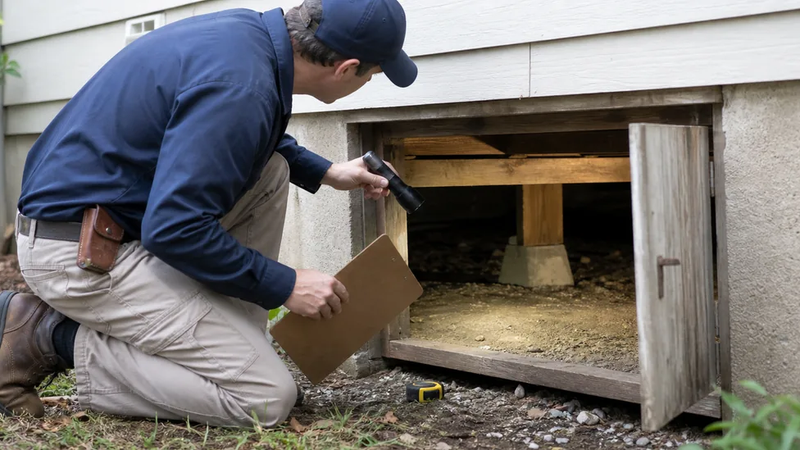
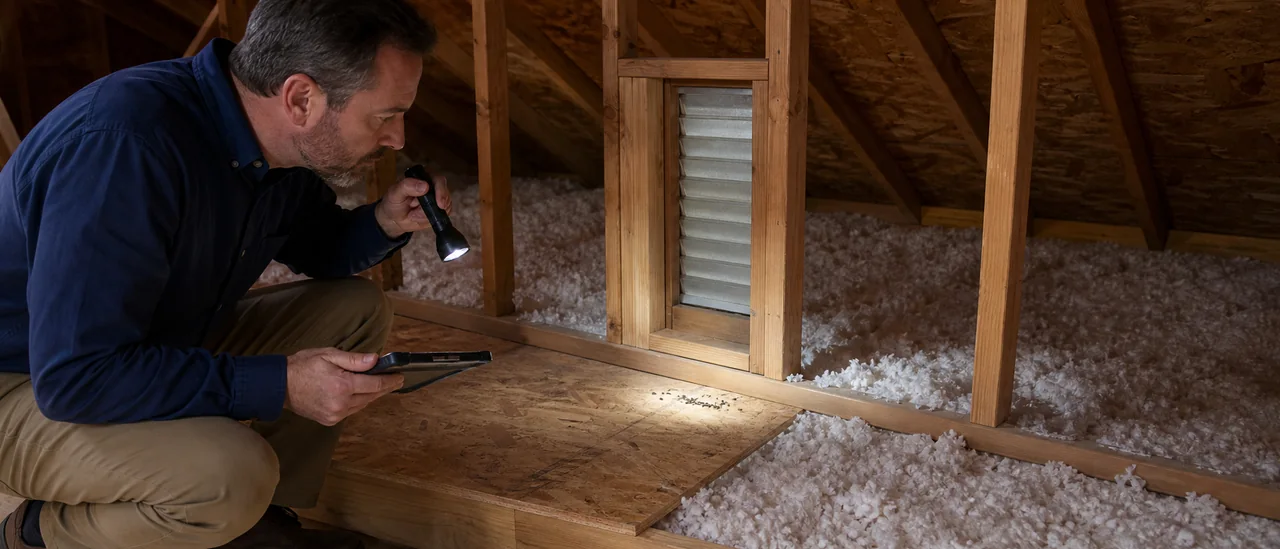
A visual home inspection can identify accessible evidence and conditions that support entry or nesting. Common locations include attics, crawlspaces, garages, cabinets, utility penetrations, and areas around stored materials.
The inspector may note damaged screens, gaps around pipes, open garage corners, unsealed eaves, or vegetation touching the structure. Scope varies by state, contract, and standard of practice. A visual observation can document accessible evidence and possible entry conditions, but it does not identify every animal, locate every nest, or define the full infestation.
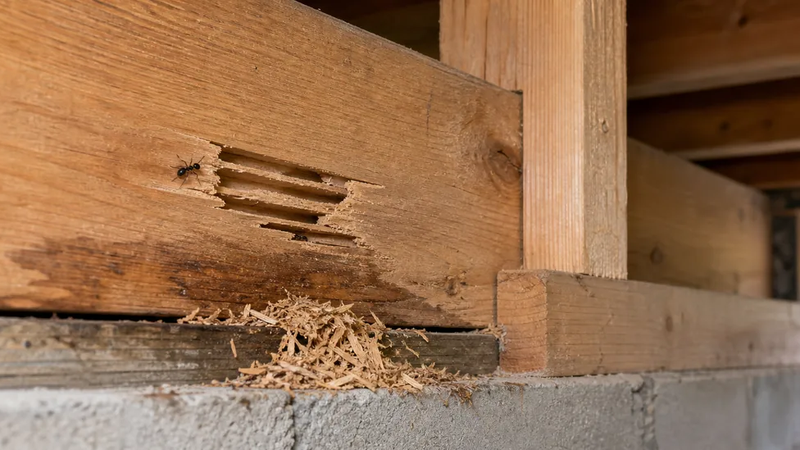
Droppings also do not prove that a particular stain, odor, wire defect, or insulation problem was caused by rodents. Those connections require supporting evidence.
Do not sweep or vacuum dry droppings
Avoid stirring contaminated dust
The Centers for Disease Control and Prevention advises against sweeping or vacuuming dry rodent urine, droppings, or nesting material. Disturbance can put contaminated particles into the air.
For homes and outbuildings, CDC guidance says to open doors and windows for 30 minutes and leave during that ventilation period. Wear rubber or plastic gloves, wet the material thoroughly with a disinfectant, and let it soak for five minutes—or for the label's stated contact time—before wiping it up without creating dust. Wash gloved hands before removing the gloves, then wash bare hands with soap and warm water. Heavy infestations, ventilation systems, enclosed spaces, and large contaminated areas may require respiratory protection and professional cleanup.
Not every rodent carries hantavirus, and seeing droppings does not mean disease transmission occurred. Rodents and their waste can carry multiple germs, so the finding still deserves careful handling because contamination cannot be evaluated visually.
What determines the next step
A useful response addresses both activity and access. Pest evaluation can determine whether trapping or exclusion is needed. Building repairs can close entry points after animals are removed. Document the visible evidence before cleanup, then follow health guidance while removing contaminated material and closing confirmed entry points.
The practical conclusion is measured: droppings are real evidence of rodent presence at some point, but an accessible visual observation cannot date the activity or define the full extent.