On this page
The usual appearance of minor hail damage
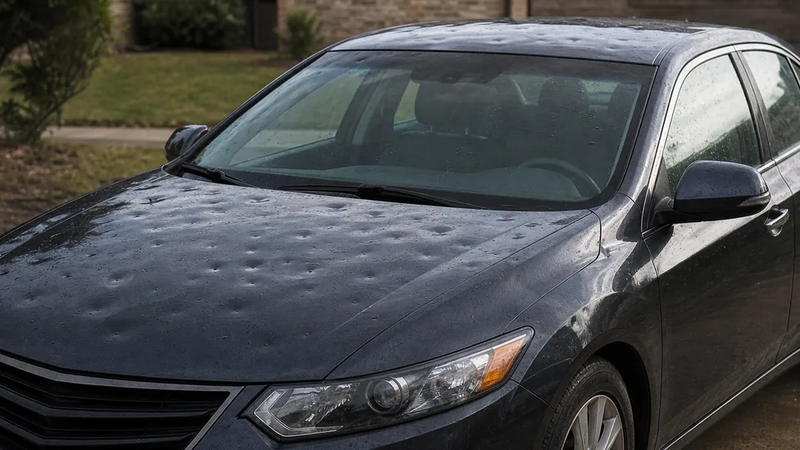
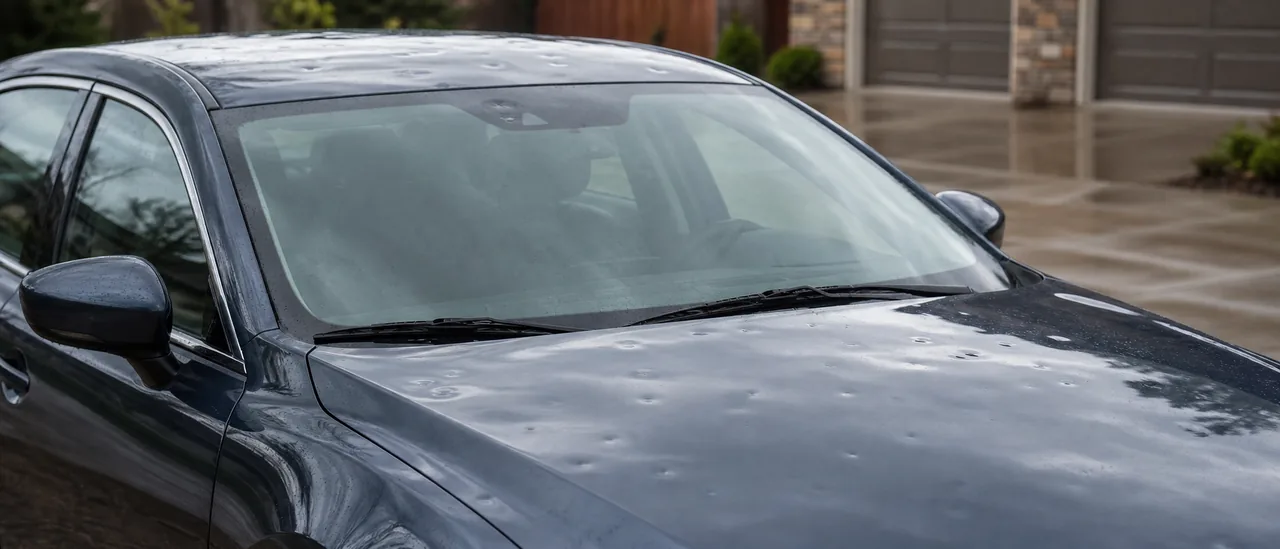
Minor hail damage usually appears as multiple shallow, rounded dimples scattered across upward-facing metal panels. The hood, roof, and trunk lid often show them first. A dent may be nearly invisible head-on, then reveal itself as a smooth bend in a reflected line when viewed from an angle.
The paint may remain intact in mild damage, leaving only a gentle change in the panel’s reflection. A chip, scratch, or crease deserves separate attention because it may indicate finish damage or a different kind of impact; appearance alone is not a universal cause test.
“Minor” describes appearance, not a fixed measurement
There is no single dent diameter or count that makes vehicle hail damage minor. Visibility varies with panel material, thickness, curvature, paint color, lighting, hail size, speed, and impact angle.
What can look similar
A lone ding beside a door edge may come from another vehicle or a dropped object. Door dings are often isolated and may have a sharper center or crease. Acorns, small branches, previous repairs, wavy reflections, dirt, and ordinary panel contours can also imitate shallow dents.
Hail is more plausible when similar round depressions appear across several exposed, mostly horizontal panels. Paint chips do not automatically identify the cause. Scratches, transferred material, or one sharply creased mark make another type of impact worth considering.
How to check the surface
Wash and dry the car, then inspect it in bright, diffuse light rather than harsh midday glare. Stand at a low angle and move slowly so straight reflections—from a garage opening, overhead light, or striped inspection board—travel across the paint.
Use a consistent sequence:
- Scan the hood, roof, and trunk from more than one angle.
- Compare left and right panels for repeated, similarly shaped depressions.
- Note cracked paint, chips, sharp creases, or glass damage separately.
- Photograph each area with a reflected line crossing it; do not press on dents.
What weather information can confirm
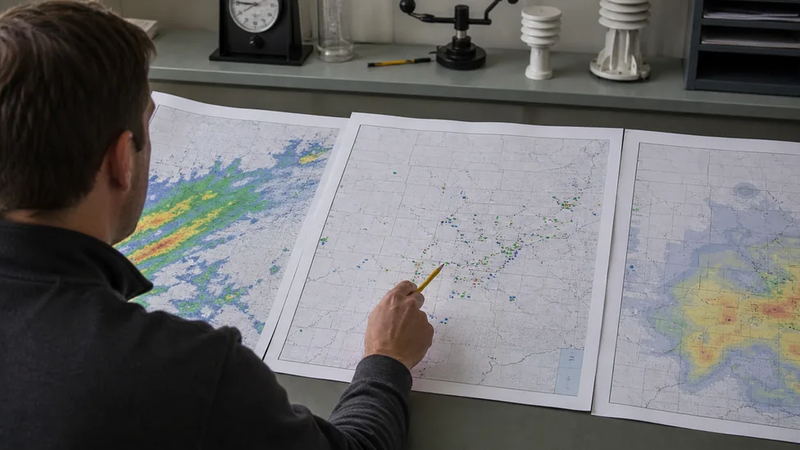
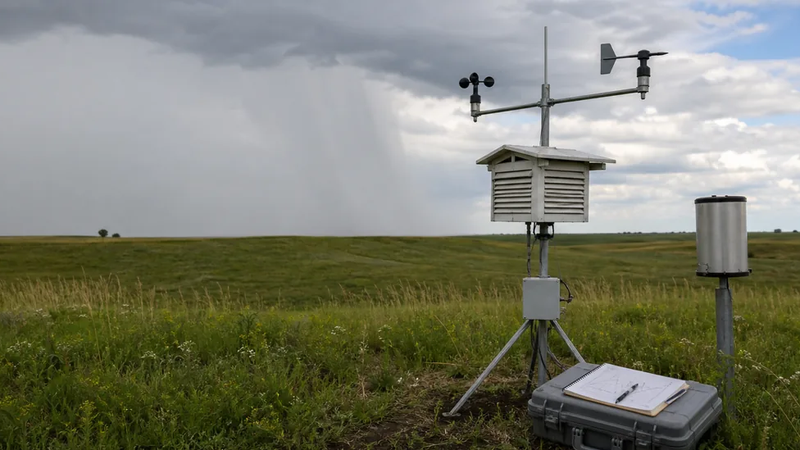
Radar can detect hail within a storm, while a ground report can establish that hail was observed nearby. Neither proves that a particular car was struck. NOAA describes MESH as a “Maximum Estimated Hail Size” product and says earlier radar algorithms produced a hail-size estimate for a storm.
Confirmed vehicle damage comes from the car itself: a repeatable dent pattern, intact or damaged finish, affected-panel locations, and examination under suitable light. If the pattern remains hard to distinguish from old dings—or if paint or glass is damaged—a qualified auto-body or paintless-dent-repair specialist can document what is actually present.