On this page
What a termite inspection is
A termite inspection is a visual examination of a building’s accessible areas for evidence of termites and, depending on the governing standard, other wood-destroying insects or organisms. It matters because the resulting report describes what was visible on the inspection date—not whether every concealed part of the building is pest-free.
The service may be called a wood-destroying insect (WDI) or wood-destroying organism (WDO) inspection. Those terms are not interchangeable everywhere. The required inspector license, report form, and organisms covered depend on state rules and the purpose of the inspection.
The report is a snapshot, not a guarantee
Visible evidence can be absent even when concealed activity or damage exists. The report applies to accessible areas and conditions observed at the time of inspection.
What the inspector examines
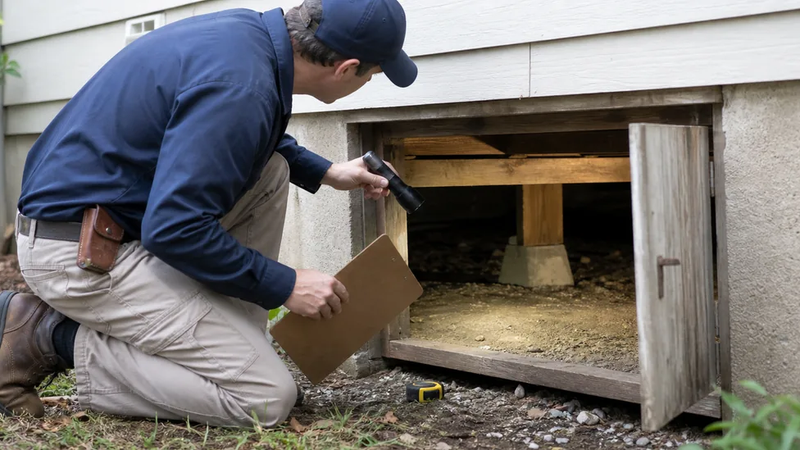
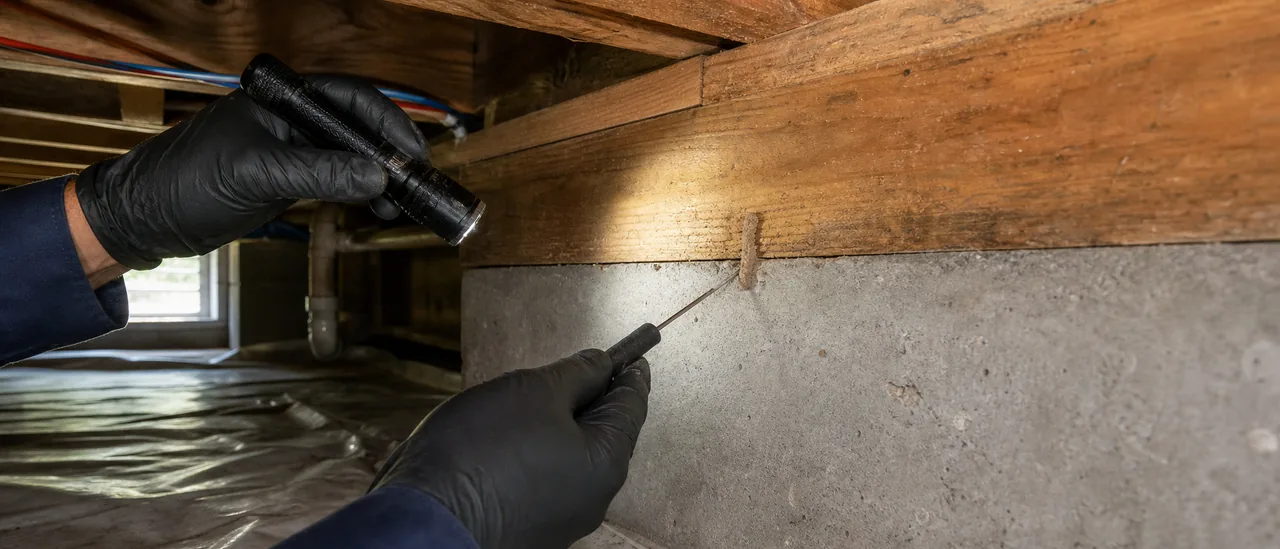
The inspector reviews accessible interior and exterior areas where evidence may appear. That commonly includes exposed foundation edges, accessible framing, basements, crawl spaces, and attics that can be entered safely. Unobstructed wood may be probed or sounded when the applicable procedure allows it.
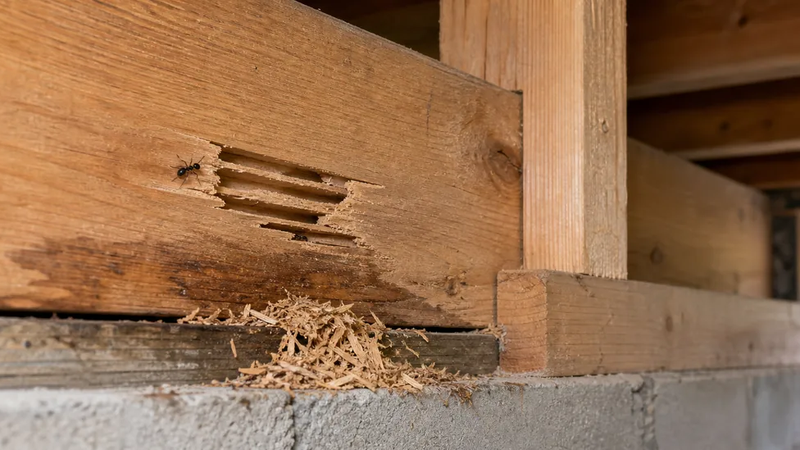
The inspection looks for visible evidence such as live insects, shelter tubes, cast wings, or damaged wood. EPA guidance identifies swarms and hollow spots in exposed wood as possible ways to discover termites. A report may also document prior-treatment evidence, conditions conducive to subterranean termites, and areas that were inaccessible or obstructed.
The exact scope comes from the inspection agreement and local requirements. For example, North Carolina’s official guidance defines its WDI inspection as a careful visual examination of accessible areas, with sounding of certain accessible structural members. That state-specific standard should not be treated as a nationwide rule.
What a visual inspection cannot confirm
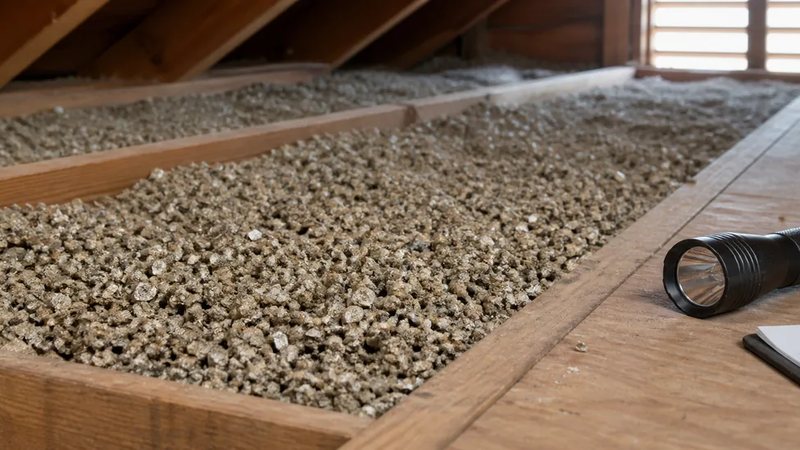
Finished walls, floor coverings, insulation, stored belongings, and blocked or unsafe spaces can hide infestation or damage. Inspectors generally do not remove finishes merely to see inside concealed cavities. An inspection can report visible evidence or its absence in the areas examined, but it cannot guarantee that termites are absent throughout the structure.
It also is not automatically a structural evaluation. Visible damage may show that further investigation is needed without establishing its full depth, repair method, or effect on structural capacity.
Practical bottom line
Read the scope, exclusions, inaccessible-area notes, and definitions on the actual report. “No visible evidence” is narrower than “no termites.” If the report identifies activity, damage, or important inaccessible areas, a properly licensed pest professional can address infestation questions; suspected structural damage may need evaluation by an appropriately qualified building or structural specialist.