On this page
Gorilla hail means exceptionally large hail
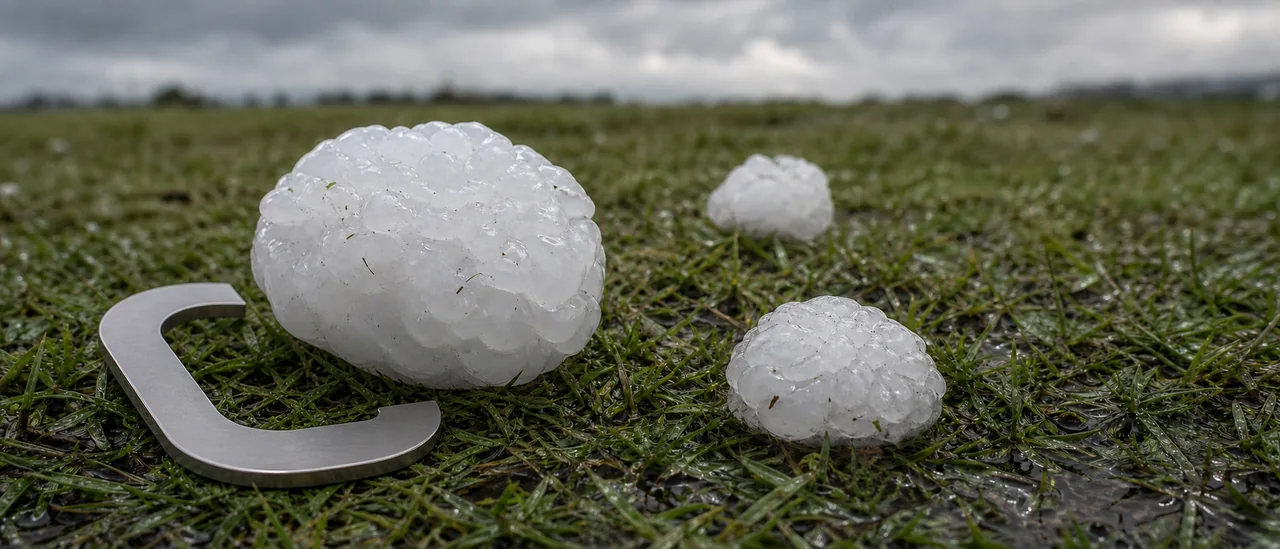
“Gorilla hail” is an informal nickname for exceptionally large hailstones. It is not an official National Weather Service size category or a term with one fixed diameter.
NOAA used the phrase for a 2021 Texas storm that produced hail reportedly as large as grapefruit. Its account called the phrase “so-called” gorilla hail and credited storm chaser Reed Timmer with coining it. The memorable name signals unusual size and danger, but it does not replace a measurement.
That distinction matters when reading a warning or storm recap. Look for the stated diameter, object comparison, report source, location, and time. “Gorilla” supplies drama; inches supply scale.
A nickname, not a threshold
There is no official diameter at which hail becomes “gorilla hail.” A report should give a measured or estimated size separately.
How hail grows to exceptional size
Hail begins as ice inside a thunderstorm updraft. It grows as supercooled liquid droplets collide with the ice and freeze onto its surface.
Sustained, powerful updrafts give stones more opportunity to collect layers of ice. NOAA’s National Severe Storms Laboratory says hail at least 2 inches in diameter is generally associated with supercell thunderstorms. A stone falls when the updraft can no longer support its weight or when the updraft weakens.
Even one storm produces a mixture of sizes. Ground measurements with a ruler, calipers, or tape are better than object comparisons, although reports commonly use familiar objects as estimates. The label alone cannot tell you the largest stone, how widely large hail fell, or the exact path it took.
Radar, observations, and damage answer different questions
These three kinds of evidence should not be treated as interchangeable:
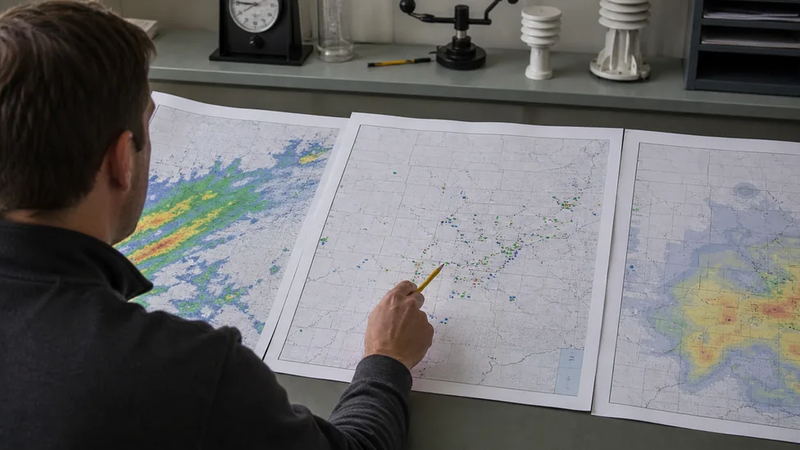
- Radar estimates indicate conditions and precipitation characteristics within a storm. Dual-polarization products can suggest very large hail, but reflectivity alone cannot confirm it because different precipitation sizes, types, and densities can create high values.
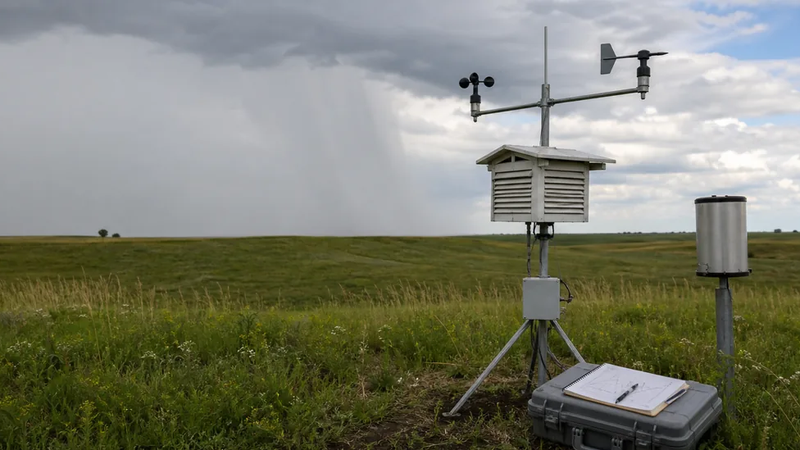
- Observed hail is a surface report tied to a place and time. A measured diameter is stronger size evidence than an object comparison, but neither describes every stone across the storm’s path.
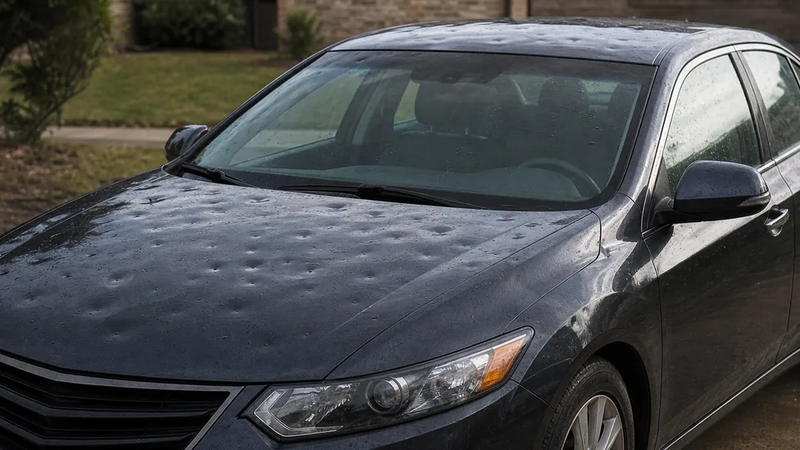
- Confirmed property damage is a separate, property-specific finding. A radar estimate or nearby hail report can document weather in the area; neither proves that a particular building or vehicle was struck or damaged.
Practical bottom line
“Gorilla hail” means exceptionally large hail in informal weather language. It communicates severity, not a standardized size. For a precise account, use the reported diameter and note whether the size came from radar, an observer’s estimate, or a direct measurement. Keep any claim of property damage separate from the weather evidence.