On this page
“Melon-size” is a description, not a measurement
Melon-size hail means exceptionally large hail, but it has no official fixed diameter. The National Weather Service comparison list includes grapefruit at 4 inches and softball at 4.5 inches; it does not include melon. Because cantaloupes, honeydews, and watermelons differ greatly, a report needs an actual diameter to be scientifically useful.
In practical terms, someone saying “melon-size” usually means a stone at least near the four-inch range. That overlaps the 10-centimeter threshold many researchers use for giant hail. The fruit comparison belongs in conversation; the ruler reading belongs in the record.
Translate the label before using it
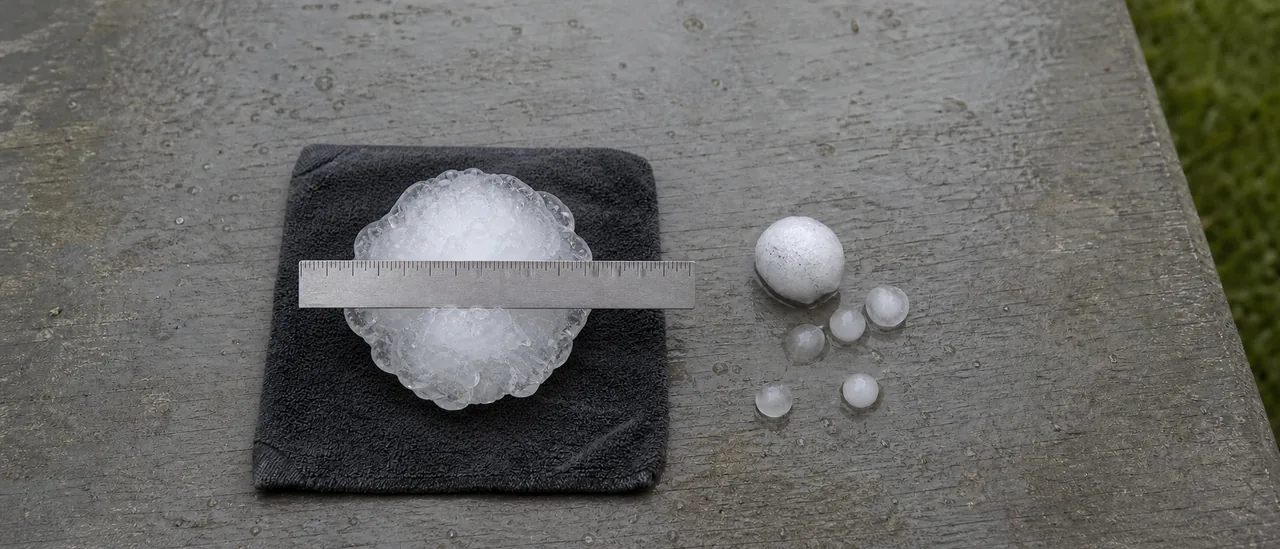
Treat “melon-size” as an unverified visual estimate unless a stone was measured. Ask for the largest diameter, whether the measurement came from a ruler or calipers, and whether the stone was preserved before melting.
How rare is hail that large?
Giant hail is extremely rare, even within severe thunderstorms. Four inches is four times the National Weather Service’s one-inch severe-hail threshold. At the far end, the verified U.S. diameter record is 8 inches, measured after a 2010 storm in Vivian, South Dakota.
There is no defensible nationwide “one chance in X” figure for melon-size hail. The label has no standard diameter, and the observation record depends on someone being present to find, measure, and report a stone. Peer-reviewed analysis of U.S. hail reports also documents changes in reporting practices and other nonmeteorological biases. It found that reports and days with 3- and 4-inch hail remained relatively unchanged after 1990 and were concentrated mainly in the Plains.
These stones require an unusually supportive storm. Hail grows as thunderstorm updrafts push liquid water into subfreezing air, where collisions help ice particles enlarge. A stone eventually becomes too heavy for the updraft. Exceptional size therefore requires sustained growth conditions and enough updraft strength to keep a growing stone aloft.
Radar, observations, and damage answer different questions
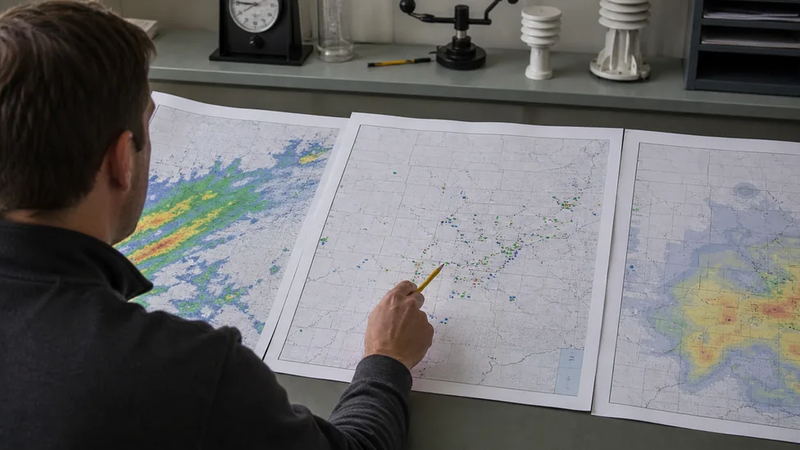
A radar hail-size product is an estimate derived from storm measurements and atmospheric information. Research comparing radar-derived MESH with surface reports treats them as different climatologies, not interchangeable measurements.
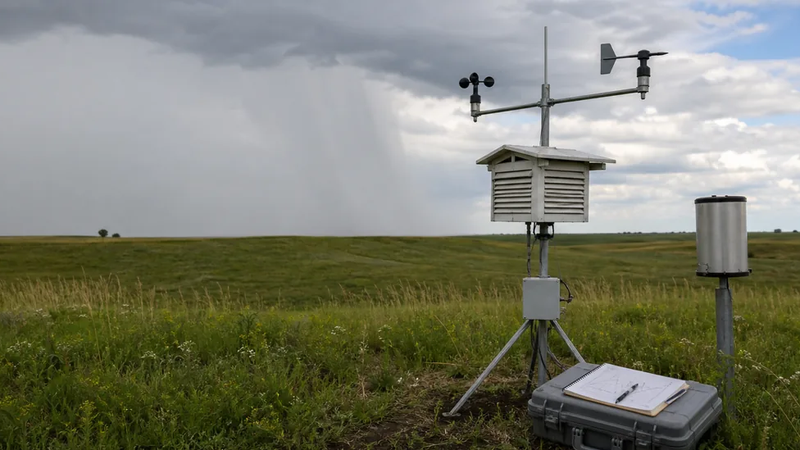
A ground observation is stronger evidence of hail size when the largest stone is safely measured. The National Weather Service advises reporting the largest stone and any damage separately.
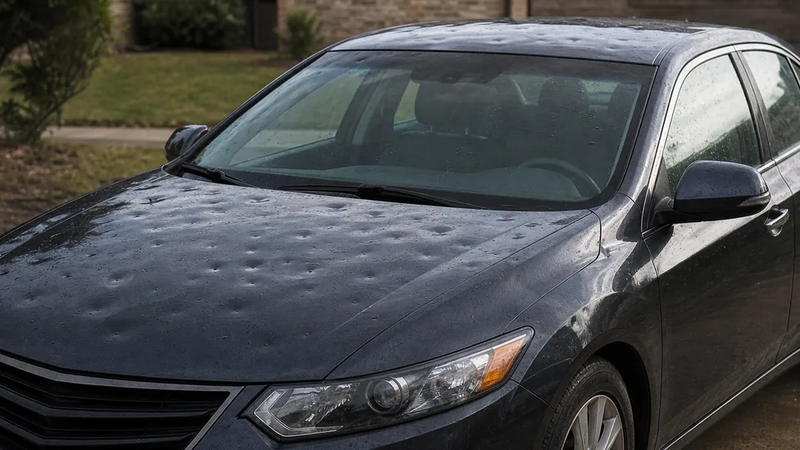
Damage confirms that something was affected; it does not, by itself, confirm hail diameter. Materials, wind, impact angle, exposure, and the mix of stone sizes all complicate that inference. The bottom line is simple: “melon-size” signals a remarkable event, but only a measured stone establishes its size, and neither radar nor damage alone proves what fell at one exact location.