On this page
The cheapest window is usually the local low-demand season
The cheapest time is usually the local low-demand season, not one nationally guaranteed month. One industry consumer resource identifies spring as a lower-price, higher-availability window in its market because roofers tend to be busier from late summer through fall. Local demand and workable weather determine whether that pattern fits your area.
“Cheapest” should mean the lowest price for the same complete scope, materials, installation method, and warranty—not simply the smallest number on the first estimate. The National Roofing Contractors Association advises requiring a written proposal with complete work descriptions and specifications. It also cautions that price is only one criterion when selecting a roofing contractor.
Why season can change the price
Contractor workload is local and seasonal. An industry consumer resource notes that roofers tend to be busiest from late summer through fall, when rates may rise with demand; in its market, spring can bring greater availability and lower prices. That example also shows why a universal “book January” rule does not work everywhere.
Weather can erase an apparent off-season saving. Snow, ice, rain, short daylight, or repeated delays can narrow the workable schedule. For asphalt shingles, cold also changes handling and sealing.
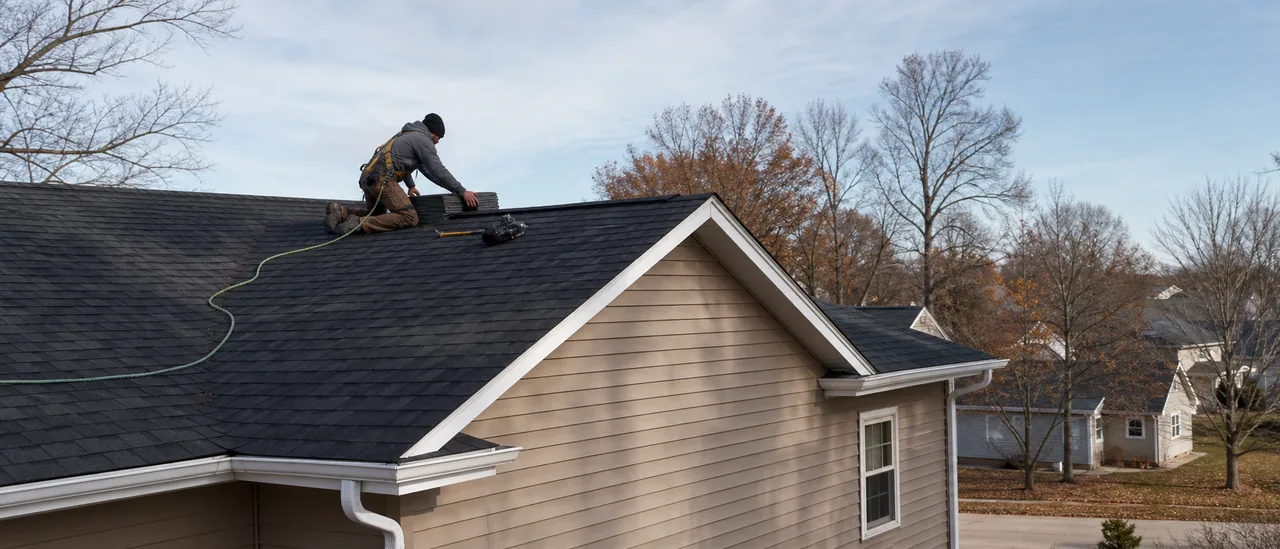
The Asphalt Roofing Manufacturers Association likewise advises extra care with cold-weather shingle installation, including following the roofing manufacturer’s instructions and keeping shingles warm enough to remain flexible. Those requirements do not make winter installation automatically unacceptable. They do mean the proposed method and conditions matter as much as the calendar.
Compare equal scopes, not seasonal slogans
Ask each bidder to price the same tear-off, deck-repair allowances, flashing, ventilation, disposal, installation details, and warranty. A “winter discount” can disappear if one proposal omits work included in another.
When waiting is—and is not—reasonable
Waiting for a quieter season can make sense when the roof is serviceable, a qualified inspection finds no urgent condition, and the preferred system can be installed correctly in the expected weather. Build flexibility into the schedule because a workable day matters more than the name of the month.
Do not postpone an active leak, unsafe decking, or another condition that could worsen merely to chase a possible discount. The added damage and emergency work could cost more than the seasonal difference.
For a defensible comparison, request written proposals during both the current period and the next locally slower window. Confirm how long each price remains valid, what weather would delay work, and which cold- or hot-weather procedures apply. The cheapest time is the off-season that produces the lowest complete, technically sound local bid—not one fixed season for every home.