On this page
The direct answer depends on the measurement
The world’s heaviest officially recognized hailstone weighed 1.02 kilograms (2.25 pounds). It fell in the Gopalganj district of Bangladesh on April 14, 1986, according to the World Meteorological Organization (WMO).
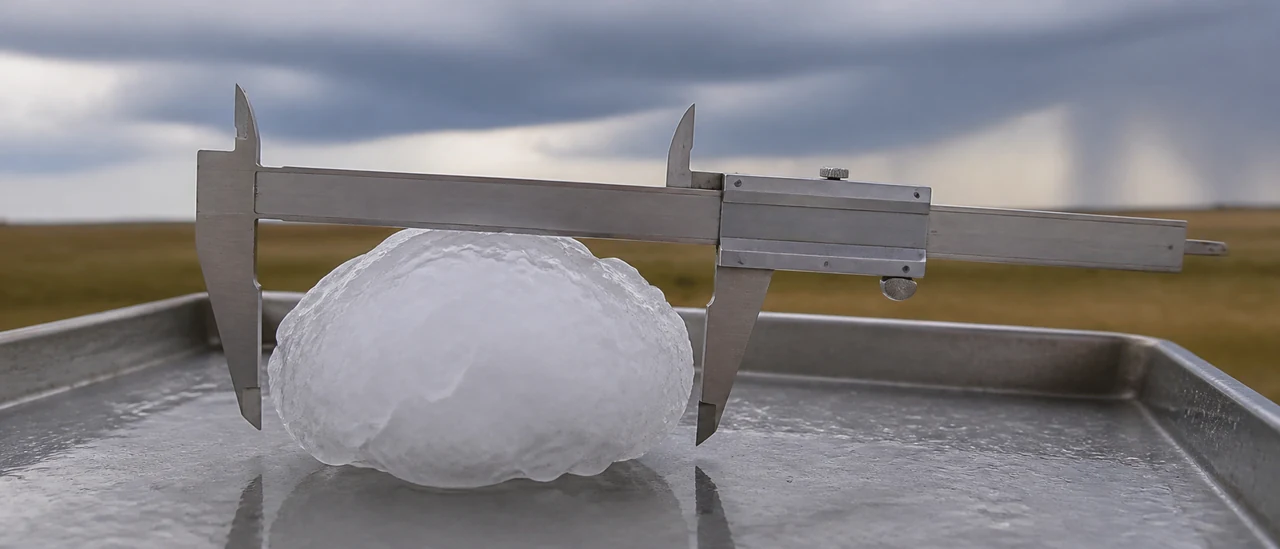
For maximum measured diameter, the best-documented U.S. record is the Vivian, South Dakota, hailstone. It measured 8.0 inches (20.3 centimeters) across after falling on July 23, 2010. NOAA’s National Climate Extremes Committee also verified its weight at 1.9375 pounds, or 1 pound 15 ounces.
“Largest” therefore needs a qualifier. Nature, inconveniently, does not make hailstones to a standard specification.
| Record scope | Place and date | Verified measurement |
|---|---|---|
| World record by weight | Gopalganj district, Bangladesh; April 14, 1986 | 1.02 kg (2.25 lb) |
| U.S. record by diameter and weight | Vivian, South Dakota; July 23, 2010 | 8.0-in diameter; 1.9375 lb |
| U.S. record by circumference | Aurora, Nebraska; June 22, 2003 | 18.75-in circumference |
Why the Vivian measurement is authoritative
The NOAA committee reviewed whether the stone was genuine, whether the storm could have produced it, and how it was handled and measured. A National Weather Service representative measured its longest axis at 8 inches and documented an 18.625-inch circumference.
The stone had already experienced melting and sublimation before measurement. NOAA nevertheless uses the dimensions recorded at the official measurement, not an estimate of its original size. The committee unanimously accepted the diameter and weight as new U.S. records; the slightly larger Aurora circumference remained a separate record.
Conditions that allow hail to grow so large
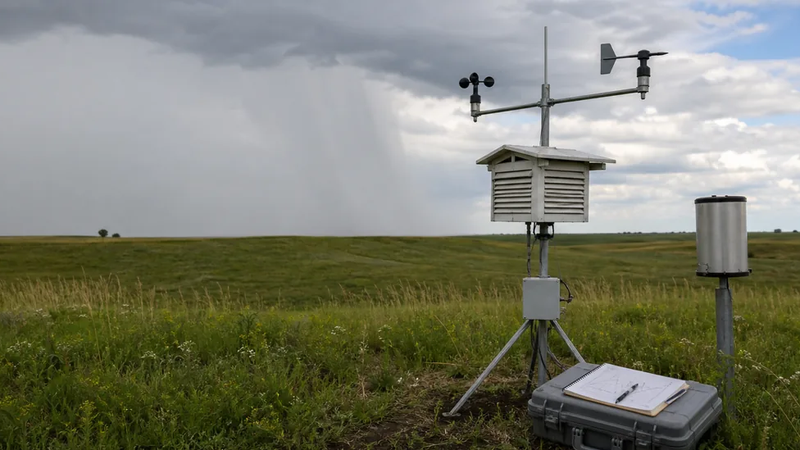
Large hail requires a strong, sustained thunderstorm updraft, supercooled liquid water, and an initial ice nucleus. National Weather Service educational guidance explains that supercell updrafts can repeatedly lift hail while additional water freezes onto it. Eventually, the updraft can no longer support the stone.
Those conditions explain physical plausibility, but they do not verify a record by themselves. A record still depends on recovering, measuring, preserving, and reviewing the actual stone.
Radar, observed hail, and damage are different evidence
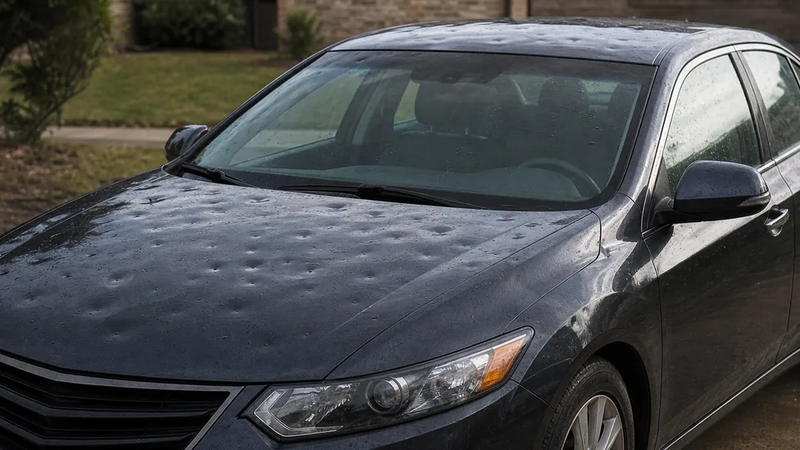
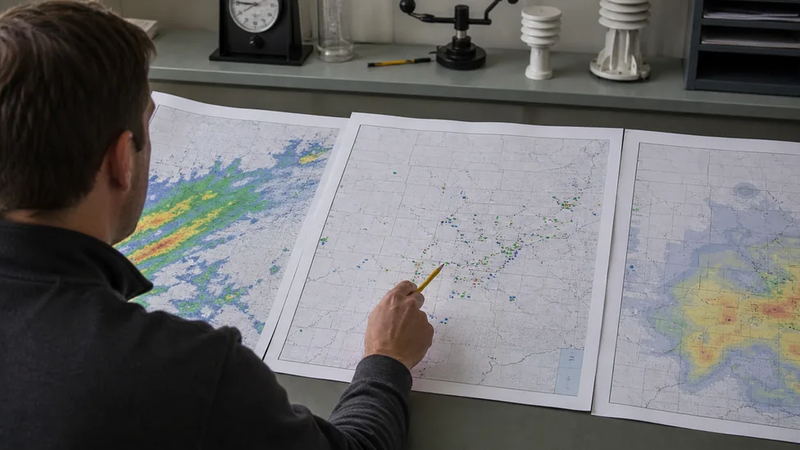
Radar-derived hail data describes probable conditions, not a confirmed occurrence at one location. A measured hailstone confirms the observed stone. Damage reports document effects, but neither radar nor nearby damage proves a particular hail size—or damage to a specific property.
The practical bottom line
If “largest” means weight worldwide, the answer is the 2.25-pound Bangladesh stone. If it means officially verified U.S. diameter, it is the 8-inch Vivian stone. Circumference produces a third answer, which is why any record claim should name its metric, location, and verifying authority.