On this page
Impact-resistant shingles can still develop ordinary roof problems
Impact-resistant asphalt shingles are shingles that passed a standardized impact test. The rating indicates better resistance to a defined laboratory impact; it does not make the roof hailproof or protect it from every other cause of failure.
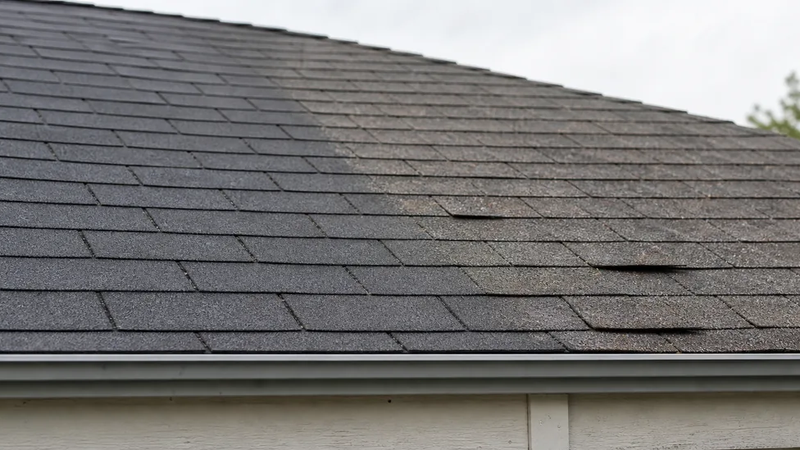
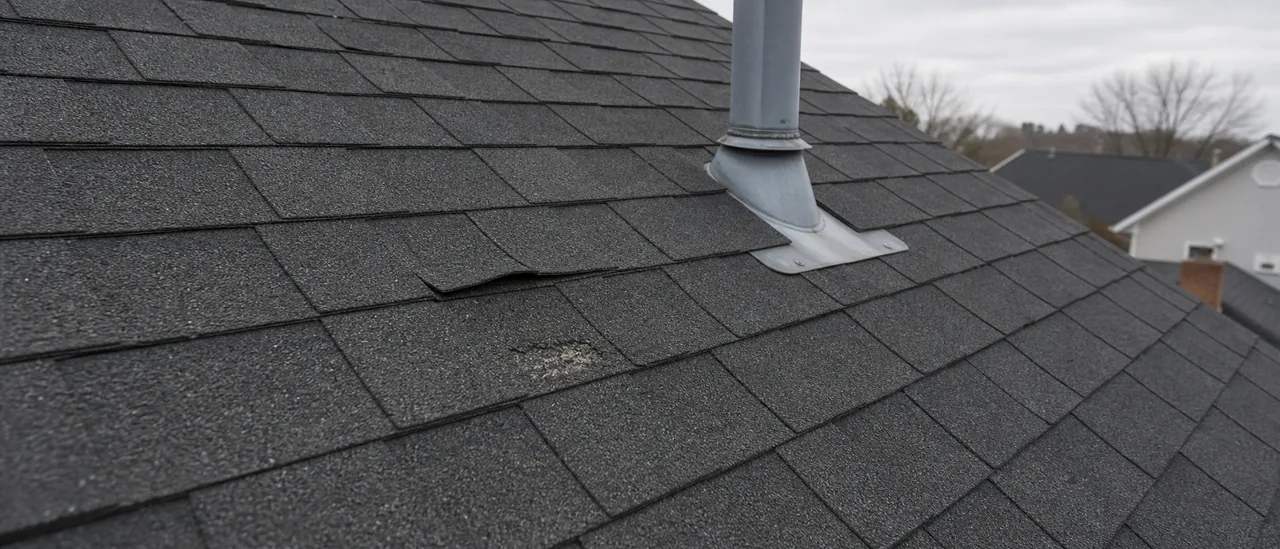
Common problems include surface dents and displaced granules, cracks or tears after sufficiently severe impacts, weather-related aging, lifted or missing shingles, poorly sealed tabs, misplaced fasteners, and leaks at flashing or other roof transitions.
Impact resistance has a specific limit
UL 2218 classifies products by whether defined steel-ball impacts produce visible cracking on the back of the specimen. That test does not evaluate every visible effect: UL Solutions notes that it does not account for denting or granule loss.
What the problems look like
Hail can affect an asphalt shingle in three principal ways: denting it, displacing its protective granules, or breaching the material. Severity varies with the product and the hail. A rating therefore should not be used to declare a roof undamaged after a storm.
Age and weather exposure matter too. Standardized ratings test new products and do not account for weathering, temperature, or aging. As shingles become less flexible, their performance may differ from the result achieved by a new specimen under controlled conditions.
Impact resistance is also separate from wind resistance and watertight installation. Problems found on other asphalt roofs remain possible:
- unsealed or partly sealed tabs that are vulnerable to wind;
- fasteners outside the specified nail line or fastening zone;
- shingles loosened, creased, or removed by wind; and
- flashing that is absent, damaged, or poorly integrated around walls, vents, chimneys, and skylights.
These defects can allow water entry even when the shingle itself carries an impact rating. Roof guidance identifies flashing’s primary function as directing water away from roof edges and penetrations to prevent infiltration.
What requires closer evaluation
Not every cosmetic mark means the roof has lost its water-shedding function. Conversely, a roof can leak at flashing or an installation defect without obvious hail punctures.
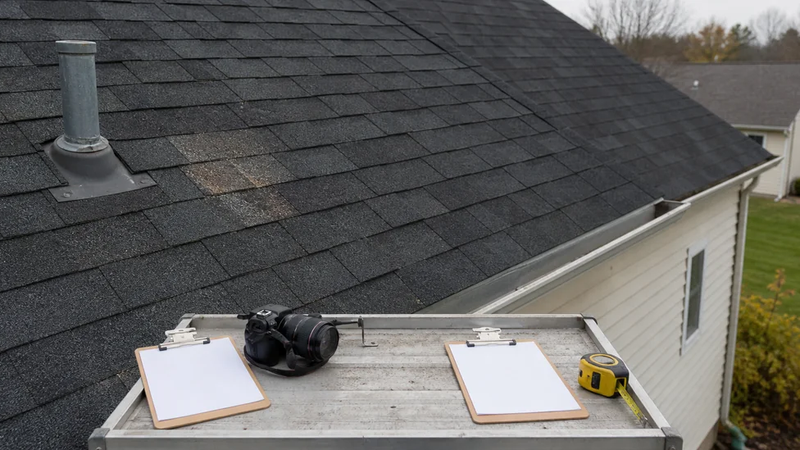
The useful questions are whether shingles are torn or cracked, granule displacement exposes the asphalt coating, tabs are loose, fasteners or seal strips have failed, and transitions remain watertight. Inspection conditions also matter: debris, roof pitch, access limits, and prior repairs can hide or mimic defects.
Practical bottom line
An impact-resistant rating reduces a defined impact vulnerability; it does not eliminate roof maintenance or diagnosis. The most common concerns are still impact damage, aging, wind displacement, fastening and sealing errors, and flashing-related leakage. Conclusions should come from the roof’s actual condition and installation—not the label alone.