On this page
A derecho can damage roof coverings and water-control layers
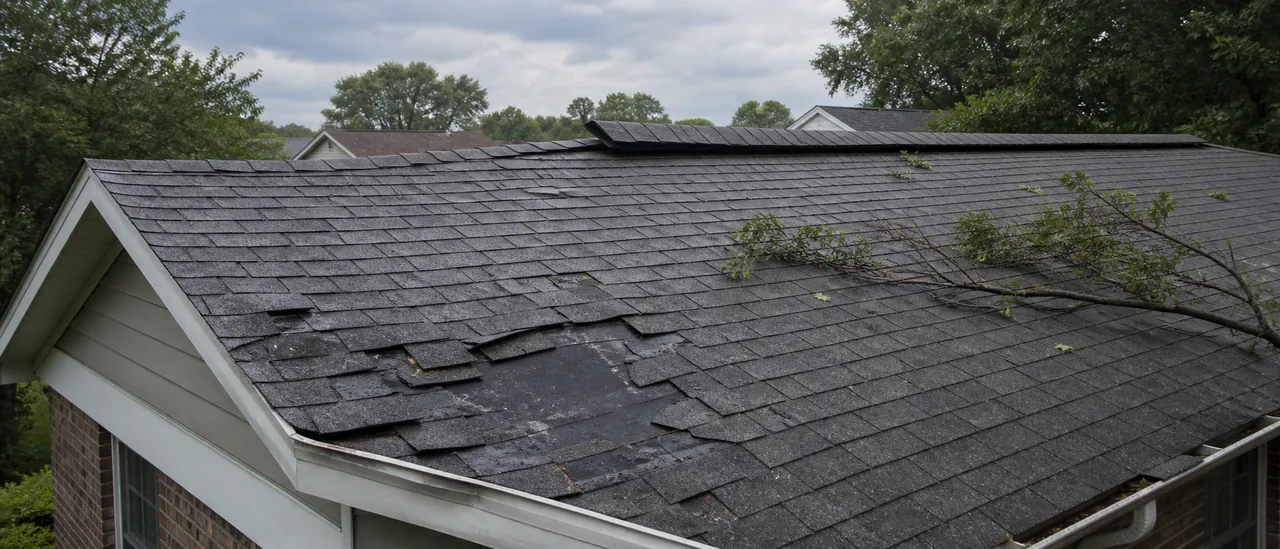
A derecho is a widespread, fast-moving windstorm produced by organized thunderstorms. Its straight-line winds can remove asphalt shingles or metal panels. That loss may expose underlayment or the roof deck and create a path for rain. Damage can range from a failed shingle tab to broad deck exposure.
That range matters because visible shingle loss is only one possibility. Wind can exploit a vulnerable shingle tab or panel. Once a tab fails, nearby shingles face additional forces, allowing damage to spread across a roof slope.
Common damage includes:
- asphalt-shingle tabs that fail, followed by damage to surrounding shingles;
- exposed underlayment that may then face wind loads beyond its intended role;
- removed metal panels that leave large areas of roof deck exposed; and
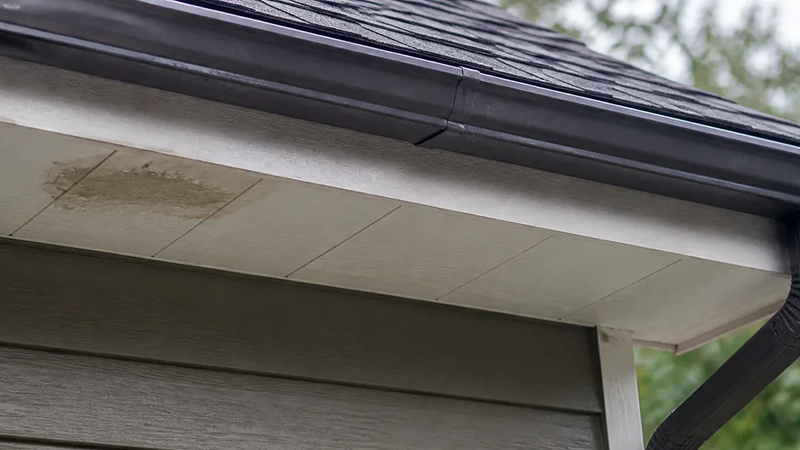
- water entry after the roof covering can no longer shed rain.
Why one roof may fare differently from another
The word derecho describes the storm’s broad wind swath, not the condition of a particular roof. A weather report or radar image cannot establish whether one property was damaged. Actual effects depend on the gusts at the building, wind direction, surrounding exposure, and the roof assembly.
Roof shape and location also matter. Edges, corners, ridges, overhangs, and penetrations can experience different pressures than the middle of a roof slope. Material type, attachment, installation quality, age, prior repairs, and existing deterioration change how well those areas resist wind.
IBHS research explains the progression on asphalt shingles: failure of one tab can expose nearby shingles to additional forces. If shingles fail, the underlayment may then face wind loads beyond its intended role, leaving the assembly vulnerable to rain. On a metal roof, removal of one panel can expose a large area of roof deck to water entry.
Practical bottom line
After the storm, check from the ground for missing asphalt shingles, displaced metal panels, or newly exposed roof areas. Indoors, look for new signs of water entry. Do not climb onto the roof; NRCA advises owners to limit their own roof checks to ground level because of fall risk.
No obvious exterior damage does not guarantee that every seal, fastener, or water-control layer remained intact. The practical question is not merely whether a derecho crossed the area, but whether the roof has new physical damage or a new path for water.
Related reading: What Wind Speed Can Damage a Roof?