On this page
Arrange the first inspection when installation is complete
A new roof should receive its first post-installation inspection as soon as the work is complete and safely accessible. Complete any required permit inspection promptly, then decide whether a separate independent review is warranted. Visible leaks, unusual rooflines, unfinished details, or an approaching contract or warranty deadline make earlier evaluation more important.
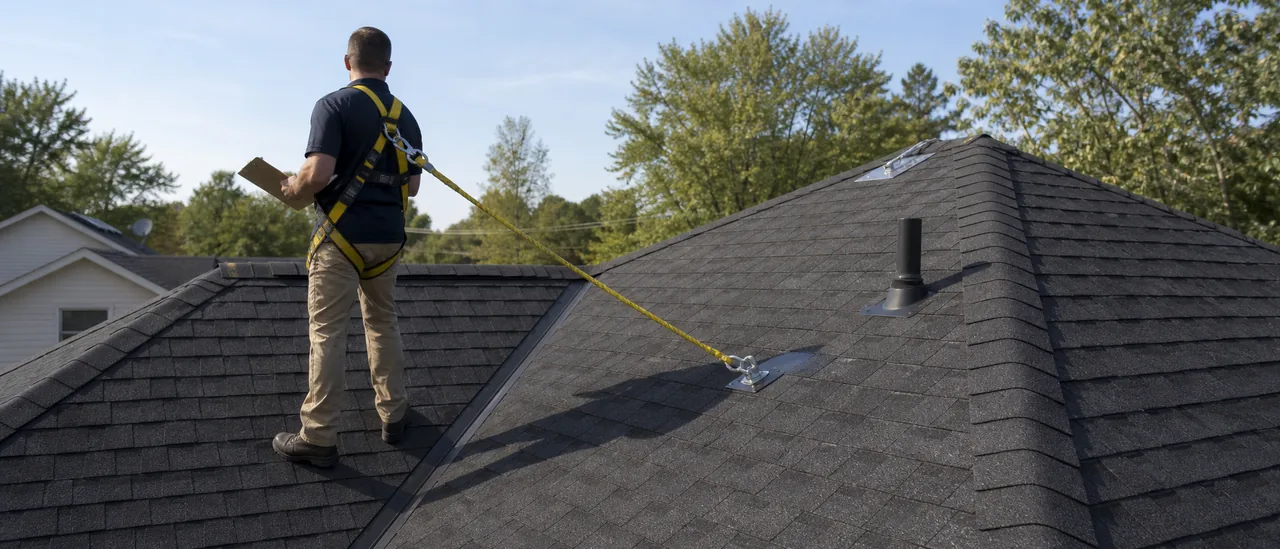
“Inspection” can mean different things. A building official’s final inspection checks permitted work within that authority’s scope. A contractor’s completion walk-through documents its own work. An independent roof inspection provides a separate visual assessment but does not replace a required permit approval.
There is no universal waiting period, such as exactly 30 days. The right deadline comes from the local permit process, the installation agreement, and any warranty notice requirements.
Use the project details to set priority
Start by confirming whether the permit is still open and which inspections were required. Procedures vary by jurisdiction. For example, Solano County says permitted reroofing projects require a final inspection when work is complete. Seattle, by contrast, says some reroof permits are closed with an affidavit rather than an on-site inspection. Local instructions control.
Consider a separate qualified evaluation soon after completion when:
- the roof has multiple slopes, valleys, penetrations, skylights, or drainage transitions;
- parts of the assembly were covered before anyone independent observed them;
- the contract specifies inspection, documentation, or a short correction period;
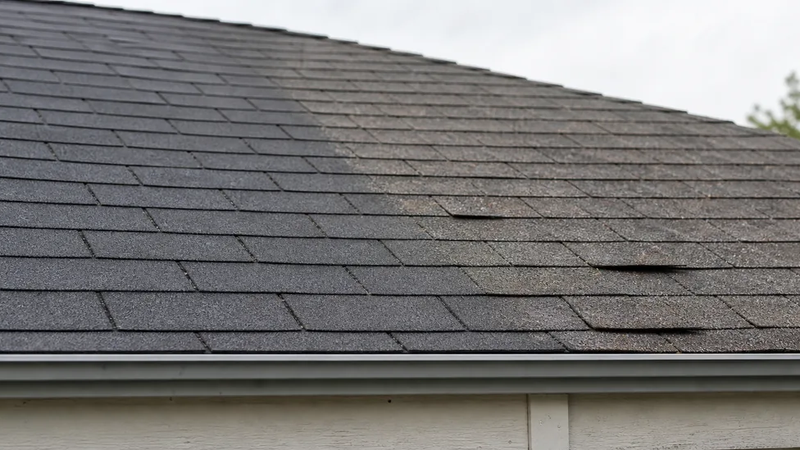
- interior moisture, loose materials, uneven surfaces, or incomplete flashing is visible; or
- the installation differed from the plans or agreed scope.
ASTM D7186 distinguishes quality-assurance observation from a contractor’s quality-control process. It also explains that observation may occur full-time or part-time during new roof construction or reroofing. For a complex project, this means the most useful review may begin during installation—not only after every layer is concealed.
A final permit inspection has limits
Passing a required inspection is valuable documentation, but it is not a universal guarantee of workmanship, water-tightness, or warranty coverage. Keep the permit closeout, contract, invoices, photographs, material information, and written correction records together.
What changes the answer after completion
Do not wait for a planned routine check if water is entering the home, ceilings are changing, or a roof section appears displaced or sagging. Observe from the ground or a safe interior location and arrange qualified evaluation promptly. Avoid walking a steep, wet, icy, or otherwise unsafe roof.
If the roof looks sound and required closeout is complete, review it from the ground after the first substantial rain and check accessible interior areas for moisture. Rain is not a substitute for an inspection, but it can reveal a reason to move the evaluation forward.
Routine maintenance begins after acceptance. Solano County’s homeowner guidance recommends roof inspections at least twice a year, but maintenance schedules can vary with the roof system, local climate, debris, and written warranty terms. Follow the documents for the installed assembly rather than treating one cadence as universal.
Documents and next step
Before considering the installation complete, collect the approved permit record or other required closeout, the final scope, dated photographs, and warranty instructions. Note every unresolved item in writing.
If the permit status is unclear, ask the local building department what closes the job. If the roof is complex or the installer’s documentation leaves material questions, an independent roof inspector or experienced roofing technical reviewer can define an appropriate scope. The goal is timely documentation and correction—not an inspection performed simply because a calendar page turned.