On this page
Can two-inch hail total a car?
Yes, two-inch hail can total a car, but only when the resulting damage makes repair impractical relative to the vehicle’s value. Hail diameter alone does not make that decision.
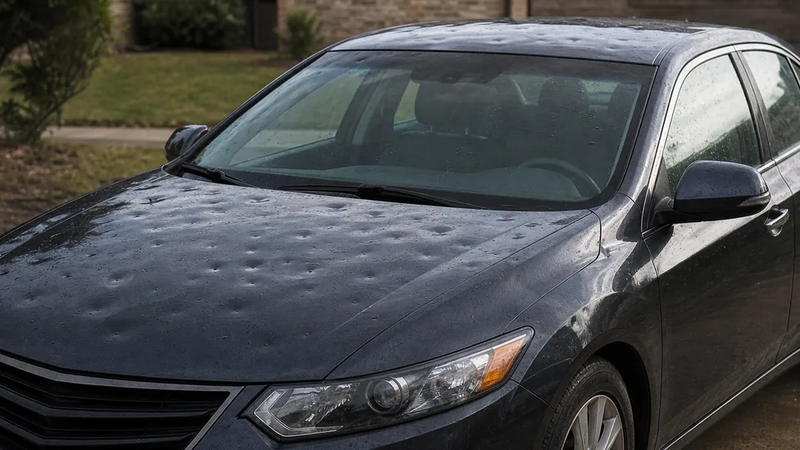
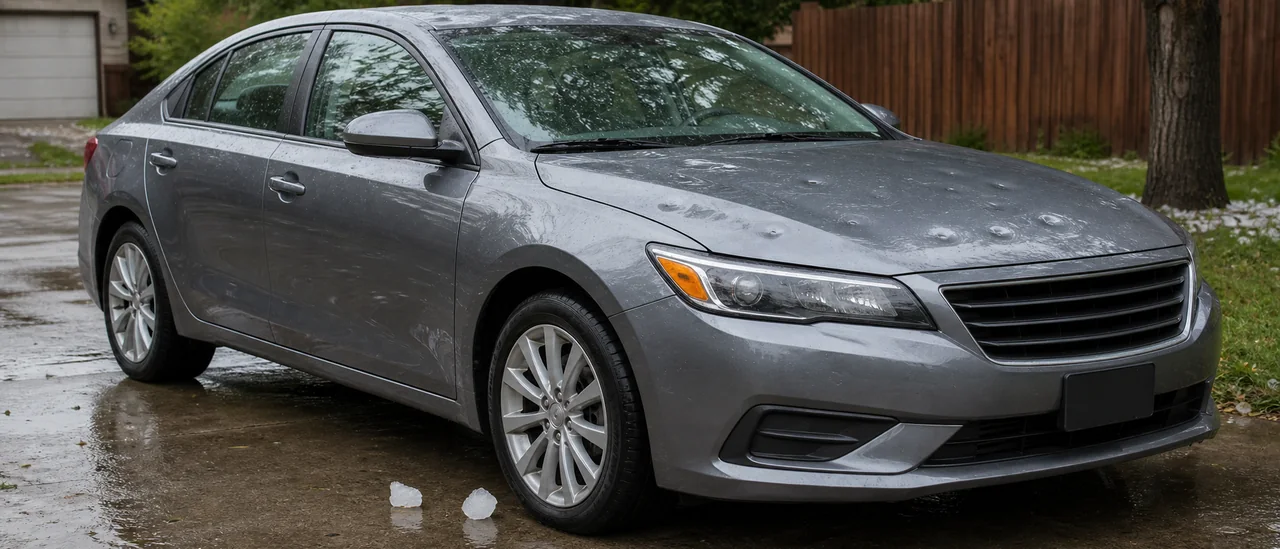
The National Weather Service equates two-inch hail with a hen’s egg. That is twice the one-inch threshold at which hail can damage vehicles, according to NWS safety guidance. An exposed car can emerge with widespread dents, damaged trim, chipped paint, or broken glass.
“Totaled” does not mean destroyed
A total loss is mainly an economic judgment, not a description of whether the car still drives. Government consumer guidance generally describes it as damage that cannot be repaired reasonably, or repairs costing about as much as the vehicle is worth. Exact rules and calculations vary by state and situation.
Why the outcome varies
Two cars parked together can receive different damage. The practical result depends on:
- how many hailstones struck and how long the car remained exposed;
- impact angle and wind, which affect where hail lands;
- panel material, shape, bracing, and access from behind;
- whether dents stretched metal or cracked the paint;
- damage to glass, lights, moldings, cameras, or sensors; and
- the car’s pre-damage value compared with the complete repair estimate.
That last comparison explains why an older, lower-value car may be totaled by repairable cosmetic damage, while a newer, higher-value car with similar dents may be repaired. Conversely, a short encounter or partial shelter can leave much less damage than the hail diameter suggests.
A forecast is not a damage finding
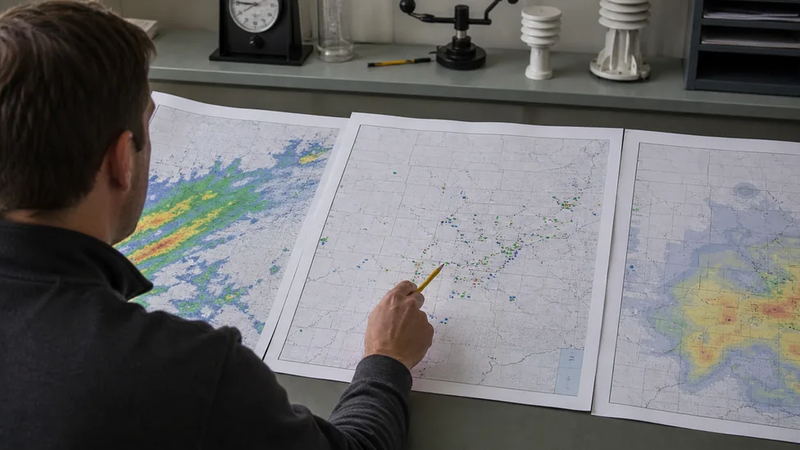
A radar display or warning mentioning two-inch hail describes a storm hazard, not what struck one particular car. NWS explains that a radar-indicated hazard is suggested but unconfirmed. An observed tag means radar or reliable reports confirm the weather hazard.
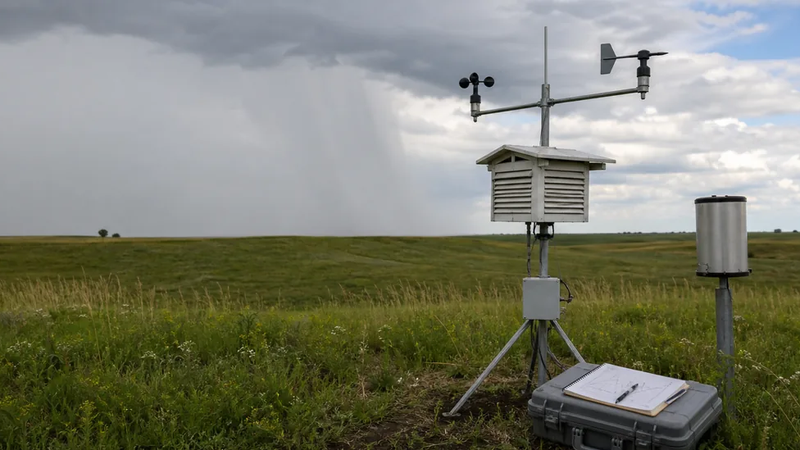
Even an observed two-inch hail report confirms hail at a reported place and time—not damage to every nearby vehicle. NWS also cautions that radar estimates do not always match surface conditions. Confirmed property damage requires examining the actual car.
Practical bottom line
Treat two-inch hail as capable of serious vehicle damage, including a possible total loss. Still, no one can determine that outcome from hail size, a radar map, or a nearby report alone. The deciding evidence is the car’s documented damage, a complete repair plan, and its value under the rules applied to that determination.