On this page
The direct answer
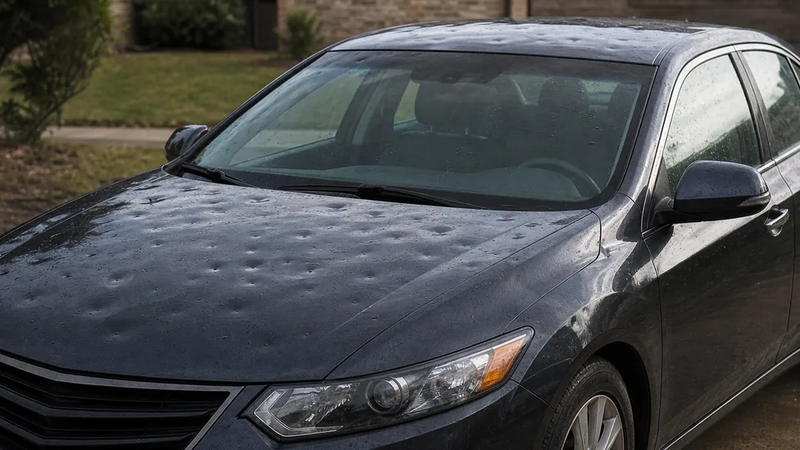
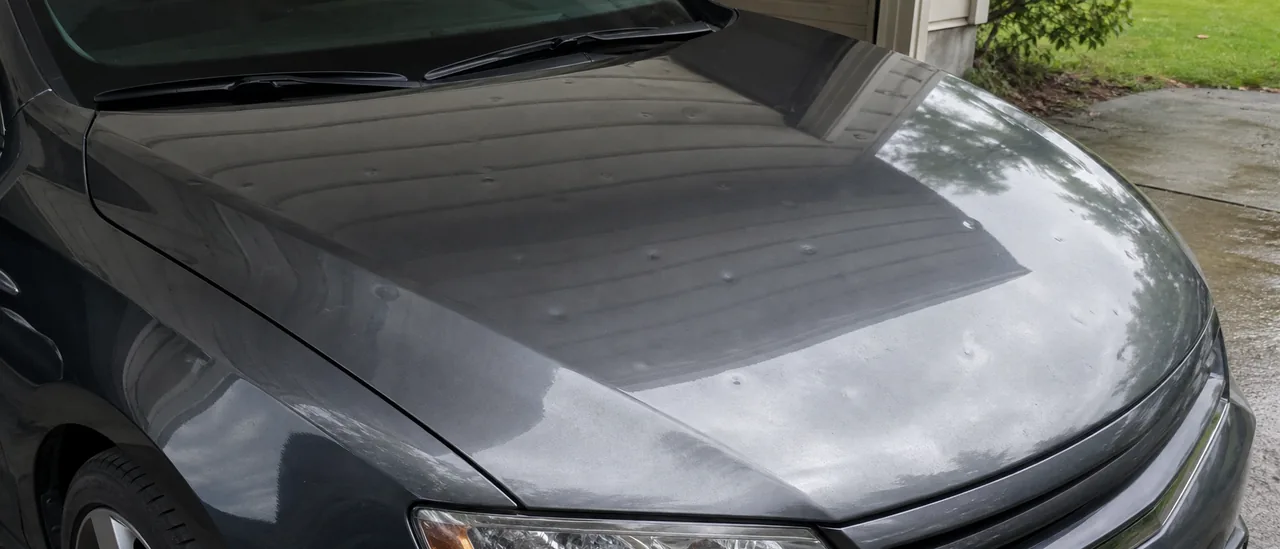
Yes, hail damage can be noticed later, but the dent or chip usually happened when the hail struck. A shallow dent may escape an initial glance, especially on a dirty, wet, curved, or highly reflective panel. Later washing, drying, or different lighting can reveal damage that was already present.
That distinction matters: ordinary hail dents do not wait days to form. What changes later is often visibility, not the original impact damage.
Two meanings of “show up later”
Found later: an existing dent becomes visible during a careful check. Develops later: a damaged finish allows a secondary change, such as corrosion, to progress after the storm. These are different timelines.
Why a dent can be missed at first
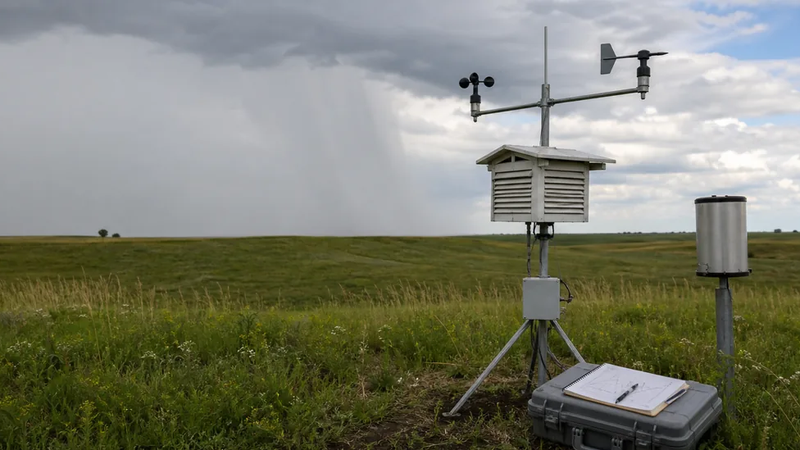
Hail does not leave one universal mark. NOAA’s National Severe Storms Laboratory notes that hail can damage cars and that hailstones vary in size, shape, melting, and fall conditions. On a vehicle, the result can range from obvious glass breakage to a subtle change in a panel’s reflection.
Small depressions are easier to see when a broad, straight reflection bends across clean paint. Harsh glare can hide that bend. Water beads, road film, metallic paint, panel curvature, and old dings can also make a quick post-storm look inconclusive.
A simple second look can separate “newly visible” from “newly formed”:
- Wash and dry the vehicle without pressing on suspected dents.
- Check the hood, roof, and trunk under bright, diffuse light.
- View each panel from a low angle as reflections move across it.
- Record chips, cracks, creases, and glass damage separately from shallow dimples.
If hail chipped or cracked the finish, the surface condition can worsen later. Manufacturer corrosion guidance archived by NHTSA tells owners to address paint chips or scratches promptly because the coating protects the metal beneath. That later deterioration is a consequence of the original breach, not a delayed hail strike.
What weather records can establish
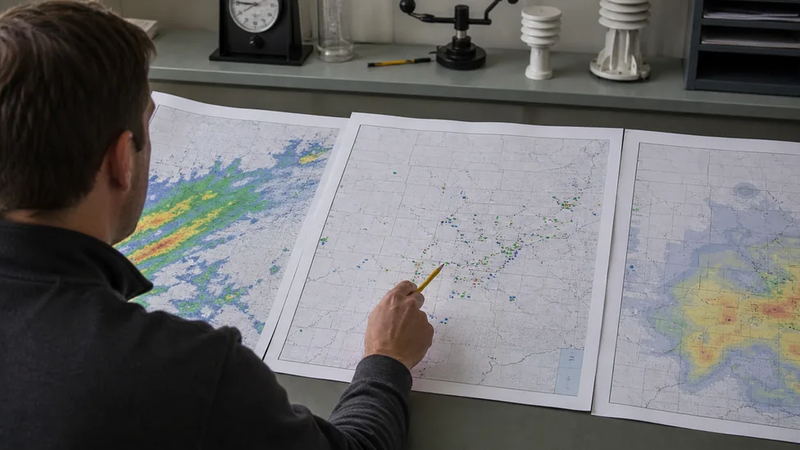
A radar hail estimate, an observed hail report, and confirmed car damage answer different questions. NOAA describes MESH as an estimate of the maximum expected hail size and lists known limitations. It describes Local Storm Reports as preliminary observations that identify whether hail size was measured, estimated, or unknown and may separately include reported damage.
Therefore, radar can indicate hail-favorable conditions, and a ground report can show hail was observed near a time and place. Neither proves that a specific car was hit. Confirmation comes from the vehicle: visible dents, finish damage, broken glass, or other documented physical evidence.
Practical bottom line
Finding damage the next morning is plausible; a clean, well-lit inspection may simply expose marks missed during the storm. The impact damage itself normally dates to the hail event, while corrosion or finish deterioration can progress afterward if paint was breached.
Related reading: What Does Minor Hail Damage Look Like on a Car?