On this page
A tree is not reliable hail protection
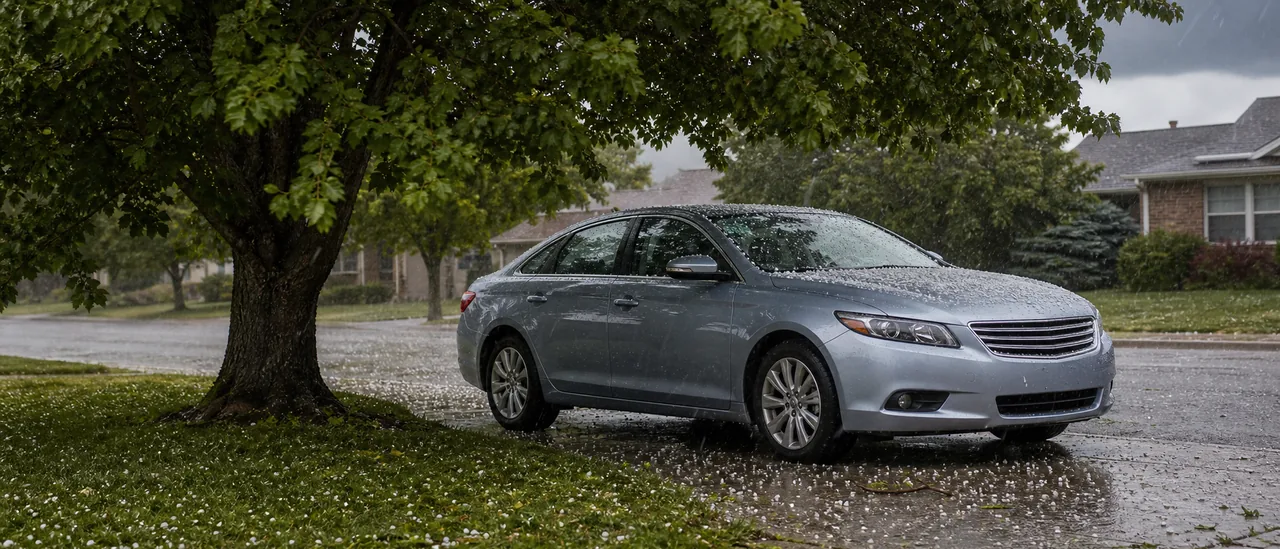
No—not reliably. A dense canopy may intercept or slow some hailstones, but gaps, wind-driven hail, and falling branches can leave a car exposed or cause different damage.
Leaves and small twigs form an uneven screen rather than a solid roof. A broad, healthy tree in full leaf may reduce the number or force of stones reaching parts of a parked car. That limited benefit changes from one branch to the next, however, and it cannot be assumed before a storm.
Wind can drive hail through canopy openings and toward side glass or body panels. Overhead leaves therefore cannot enclose the vehicle or guarantee protection.
Partial cover is not dependable cover
A tree canopy has openings and moves in wind. A garage or substantial building provides the best vehicle protection; an open tree crown does not offer the same barrier.
What changes the outcome
Several conditions determine whether the tree helps, does nothing, or creates another hazard:
- Canopy density: Bare, sparse, or recently pruned branches intercept little hail.
- Hail size and direction: Larger stones carry more impact energy, while wind can drive hail through the canopy from the side.
- Tree condition: Dead wood, weak attachments, or storm-damaged limbs can fall onto the vehicle.
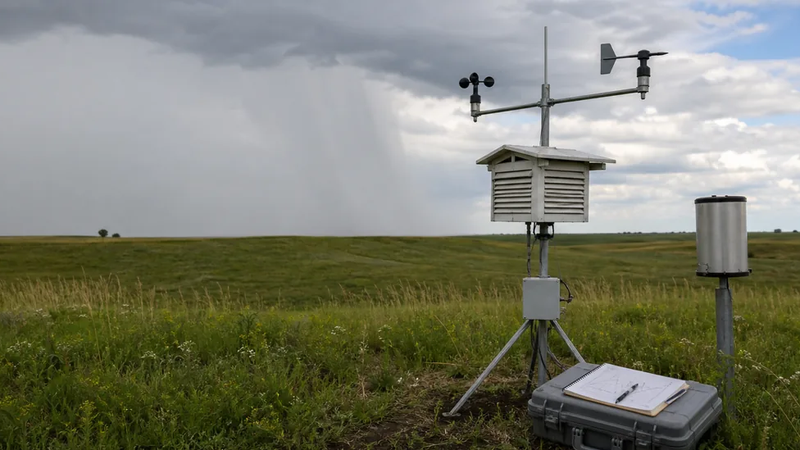
- Storm wind: The National Weather Service notes that severe-thunderstorm winds can break large branches or knock down trees.
Parking beneath a tree also is not personal shelter. The National Weather Service advises people outside to enter a sturdy building because a tree may fall and increases lightning-strike risk. If a storm is already close, protecting people matters more than relocating a car.
When there is time and it is safe to move the vehicle, a garage or substantial building is the more dependable choice. An official NWS hail-safety page specifically recommends moving vehicles into garages or under carports before a severe thunderstorm arrives.
Weather evidence has limits
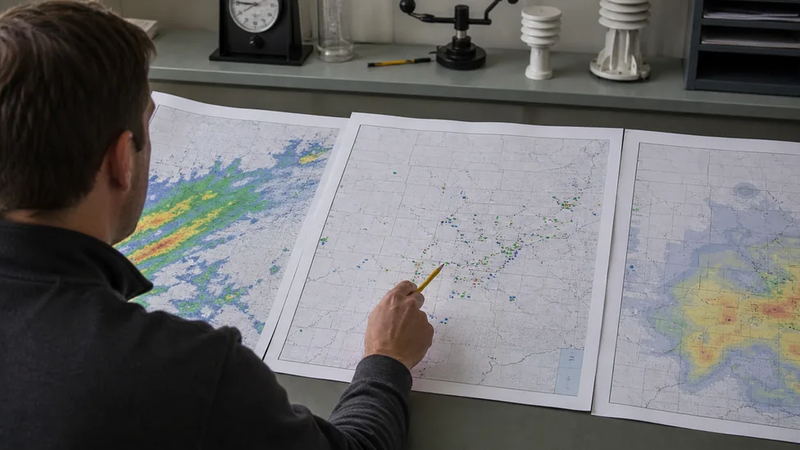
A radar-indicated hail threat means radar suggests the hazard; it does not confirm hail at the ground. An observed tag means the hazard has been confirmed by radar or reliable reports. Neither one proves that a particular car was struck or damaged.
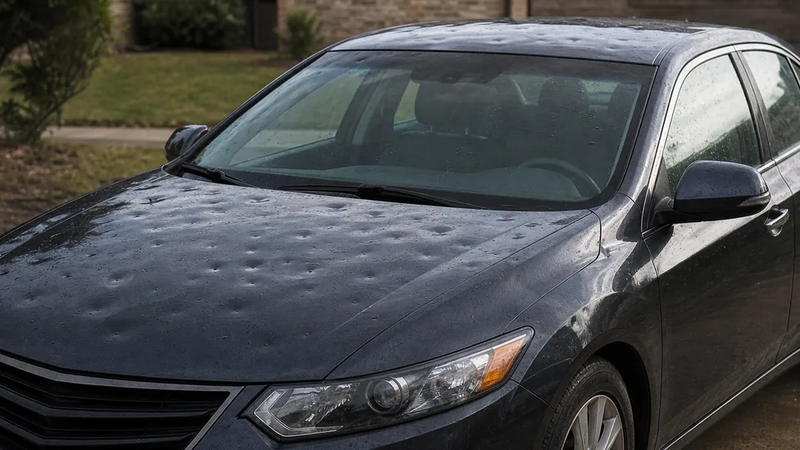
Confirmed property damage requires property-specific evidence. Even NOAA’s Storm Events Database describes property-damage amounts as broad estimates, so a storm record should not be treated as a vehicle inspection.
The practical bottom line: a tree might reduce some hail impacts, but it is a gamble, not a protective structure.
Related reading: What Does Minor Hail Damage Look Like on a Car?