On this page
Yes—when the damage or your priorities justify it
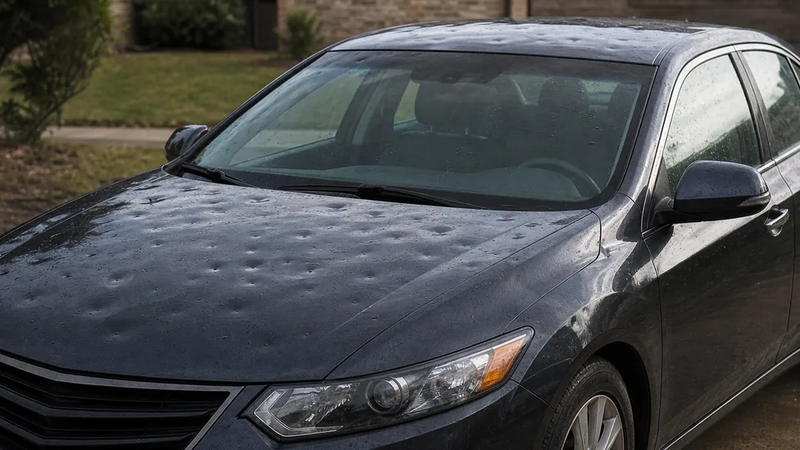
Yes, minor hail damage is often worth fixing—especially when paint is cracked—but shallow cosmetic dents with intact paint can reasonably be left alone. The right answer depends less on the word minor than on paint condition, dent shape and location, panel function, and how much the appearance matters to you.
Here, minor hail damage means small dents or dimples without broken glass, impaired lights, sharp metal edges, or a panel that no longer opens, closes, or seals correctly. Once function or safe operation is affected, the problem is no longer merely cosmetic.
Check the paint before counting dents
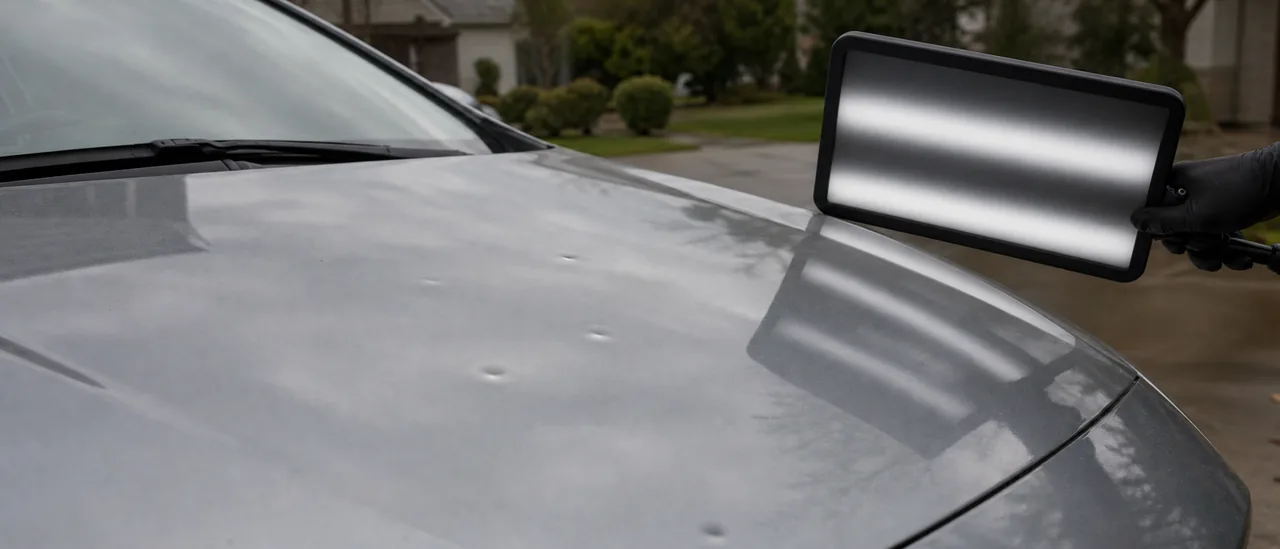
Intact paint is the most important dividing line. General Motors’ repair guidance treats dents with unbroken paint as candidates for paintless dent repair (PDR), a process that reshapes a panel without filler or repainting. It lists cracked paint as unsuitable for that process.
Cracked or chipped paint deserves prompt attention even when the dent looks small. Ford’s current owner guidance says minor paintwork damage should be repaired as soon as possible. That does not mean every shallow dimple needs refinishing; it means exposed or damaged paint changes the urgency.
PDR suitability also depends on geometry and access. GM’s guidance identifies sharp dents, panel-edge dents, inaccessible areas, and repairs requiring drilled holes or structural-part removal as inappropriate situations. A small dent can therefore be awkward to repair, while a broader soft dent may be a better candidate.
A practical decision check
Repair gains value when paint is broken, a panel’s function has changed, or the dents noticeably bother you. Waiting is more reasonable when the damage is purely cosmetic, the paint is confirmed intact, and you accept the vehicle’s appearance. A trained auto-body or PDR specialist can assess paint cracks, access, and dent shape without assuming every dimple needs the same method.
A storm map cannot make the decision
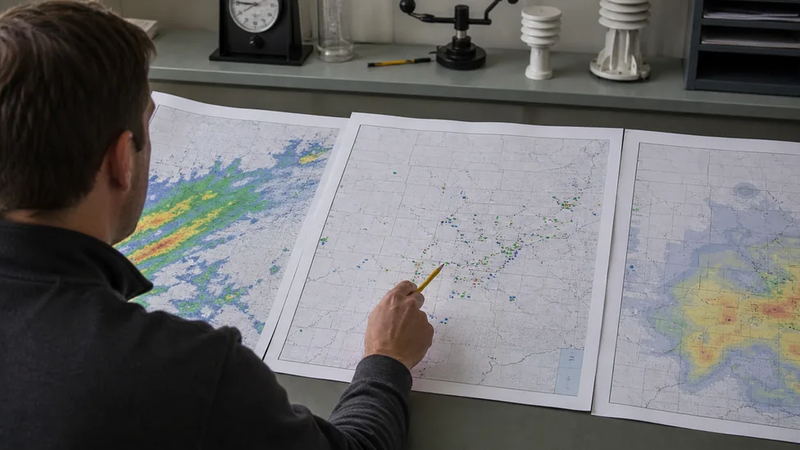
Radar information can suggest hail inside a storm, but it does not confirm damage to one vehicle. The National Weather Service notes that reflectivity alone may suggest large hail yet cannot confirm it because several precipitation mixtures can create strong returns.
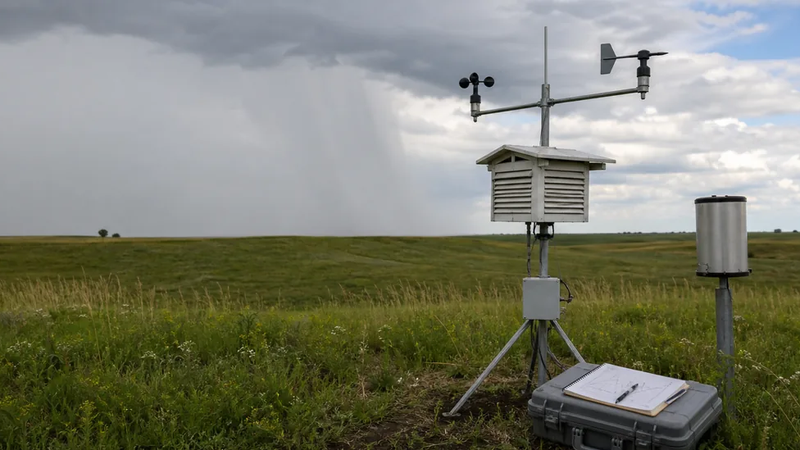
An observed hailstone is different: it documents what someone saw or measured at a place and time. The NWS asks spotters to report the largest stone and any damage separately. Confirmed vehicle damage requires evidence on the vehicle itself; neither a radar estimate nor a nearby hail report establishes its condition.
The bottom line
Fix minor hail damage promptly when paint is compromised or function has changed. For intact-paint cosmetic dents, the choice is personal: compare repair feasibility with how long you expect to keep the vehicle and how much the appearance matters. “Minor” is a description, not a universal repair threshold.