On this page
The direct answer
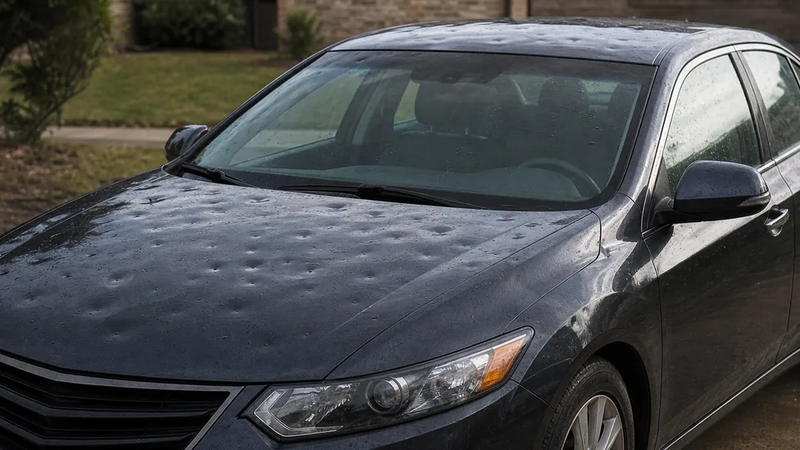
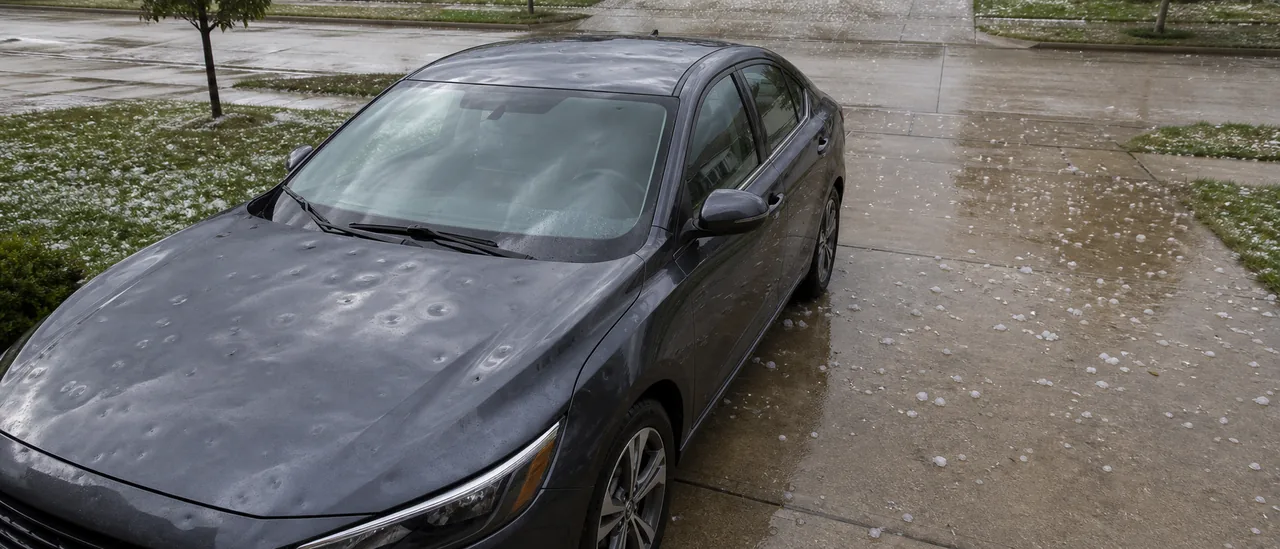
Yes, 1-inch hail can total a car, but hail size alone cannot decide the outcome. A total loss depends on whether the actual damage is uneconomical to repair compared with the vehicle’s pre-damage value.
One-inch hail is roughly quarter-sized. The National Weather Service calls hail at that size or larger “severe” and says storms producing it can dent cars. Severe is a weather classification, however—not a promise that every exposed vehicle will be dented or totaled.
Why the same hail produces different results
Diameter is only one part of an impact. Laboratory work published by SAE International found that larger stones caused more damage at the same speed, while faster stones caused more damage at the same size. That helps explain why “one inch” is not a complete damage forecast.
What ultimately matters is the resulting repair scope, including:
- how many panels were exposed and how densely they were dented;
- whether glass, paint, panel edges or hard-to-repair areas were affected;
- whether the dents can be repaired without replacing or refinishing panels; and
- the vehicle’s value relative to a sound repair estimate.
“Totaled” does not mean “destroyed”
A car may still run normally yet be considered a total loss. The California Department of Insurance defines total loss to include damage that is cost-prohibitive to repair compared with the property’s prior value. Exact rules and calculations can differ.
Weather evidence is not a vehicle assessment
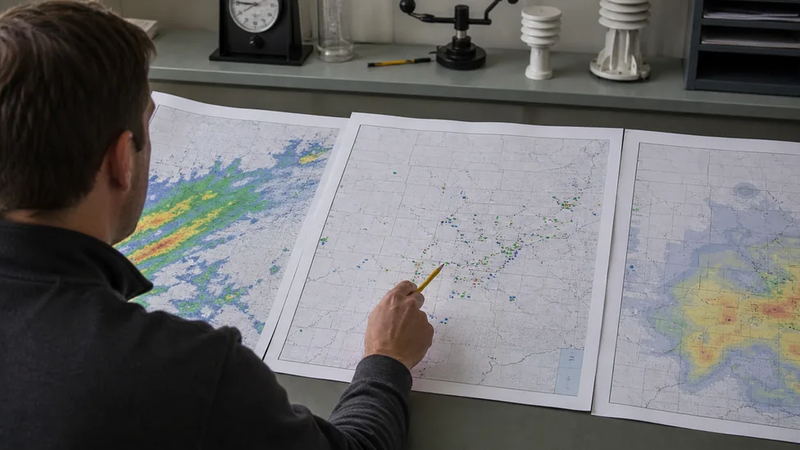
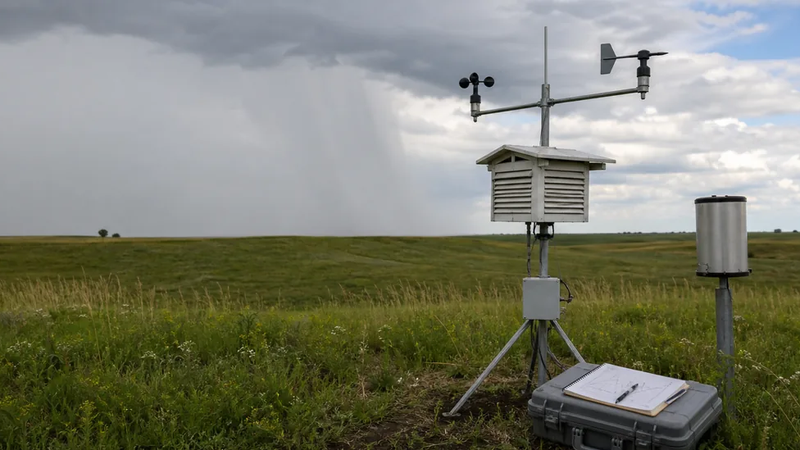
A radar-estimated hail size shows what a storm may be producing aloft or nearby. An observed report confirms hail through radar or reliable reports, depending on the product. Neither establishes that a particular car sat in the hail core, remained outdoors for the whole event, or sustained a specific number of dents.
The National Weather Service explicitly distinguishes radar-indicated from observed hazards: radar-indicated means suggested but unconfirmed, while observed means confirmed by radar or reliable reports. Confirmed vehicle damage is a separate conclusion based on the car itself.
Practical bottom line
Quarter-sized hail can cause a total loss when enough costly damage accumulates, especially on a lower-value vehicle. It can also leave another car with minor dents—or none—because exposure, impact conditions and panel response vary. A storm report answers what likely fell; the vehicle’s condition answers what happened to the vehicle.
Related reading: How Can I Find Out How Long a Hailstorm Lasted?